Product Description

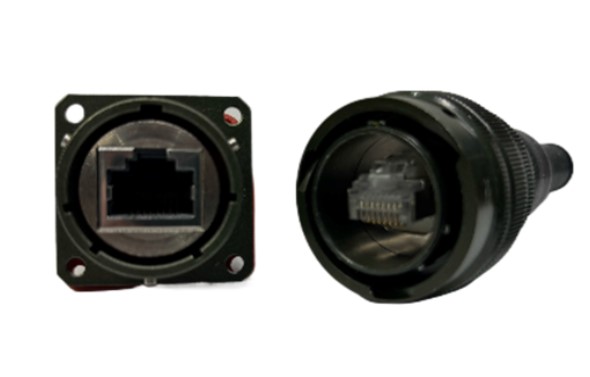
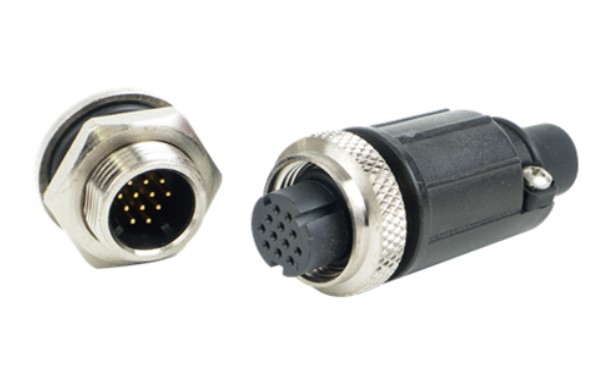
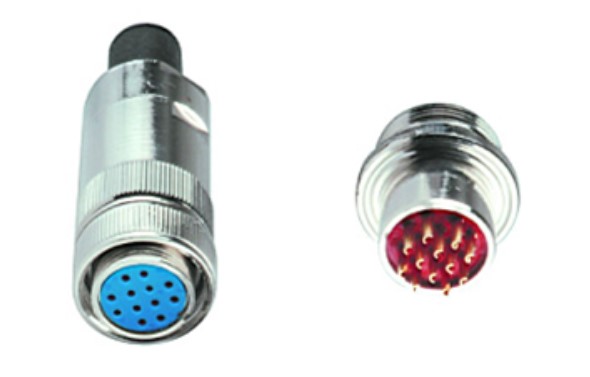
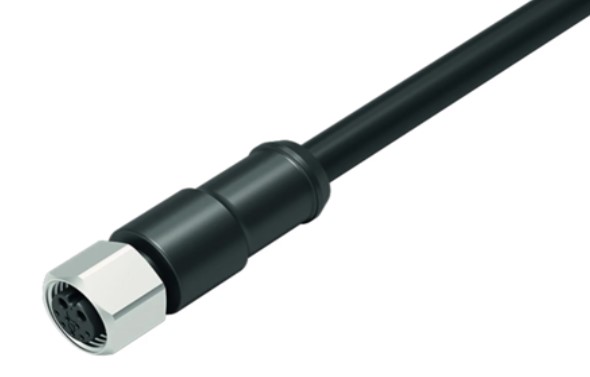
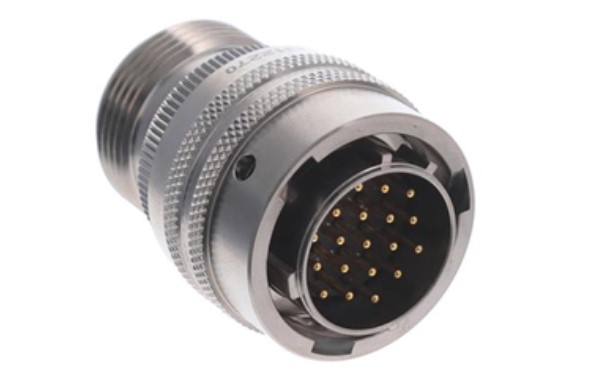
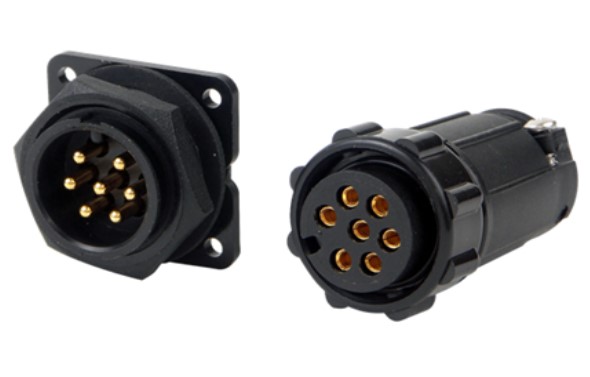
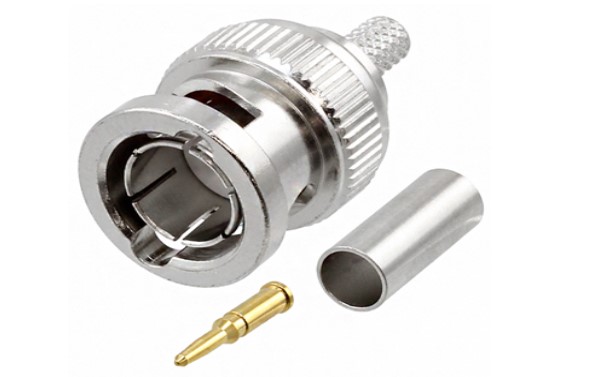
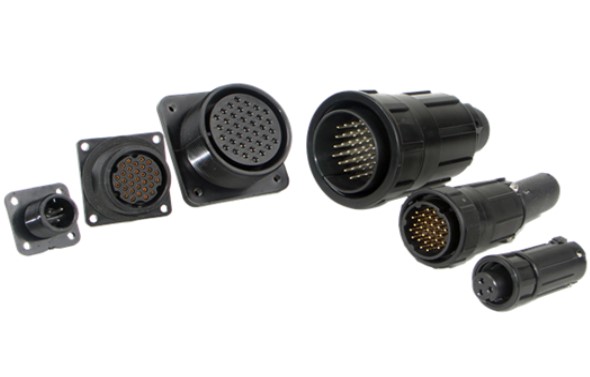
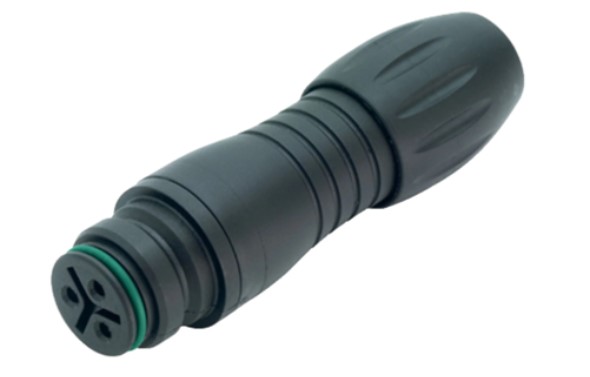
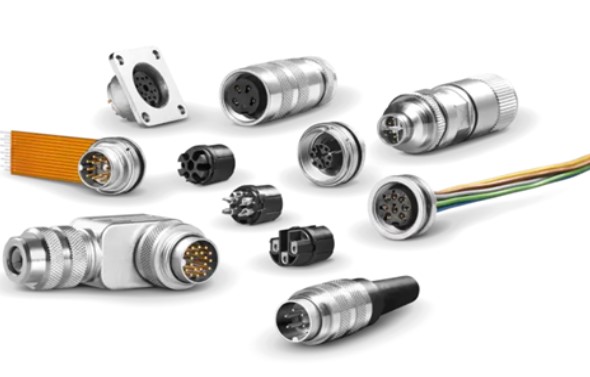
XACT EMS Miniature Connectors come in various types, each offering unique advantages to engineering teams. Our line provides compact, high-density solutions ideal for applications with limited space, such as medical devices and aerospace equipment. Additionaly we offer robust, sealed connectors for extreme environments like defense and industrial settings. Lastly, we support high-speed data transmission in fields like telecom and broadcasting. These connectors provide versatility, durability, and reliability, catering to a wide range of engineering needs in challenging applications.

Value Added

XACT EMS goes beyond supplying customized connectors by offering comprehensive solutions in building customized harnesses and assemblies. We specialize in overmolding, ruggedizing, and incorporating connector gaskets to ensure superior performance in challenging environments. Our ruggedized assemblies provide benefits such as enhanced durability, protection against harsh conditions, and increased reliability, ultimately reducing downtime and maintenance costs for customers in industries requiring robust and dependable connections.

Frequently Asked Questions

If you have a question that is not addressed in our FAQ please click 'Contact XACT EMS' at the top of the page and submit. We will answer directly and add it to our FAQ to benefit the entire engineering community.

Your vision! Our expertise! Collaborating with engineering teams is what we do best! We listens to your priorities, and create a customized solution tailored to your specific requirements.

1. M8 Connectors:

  • Description: M8 connectors are compact, circular connectors with 3 to 8 pins, commonly used for sensor and actuator connections in industrial automation.
  • Benefit: Engineers appreciate M8 connectors for their small form factor, robustness, and suitability for space-constrained automation applications, ensuring reliable signal and power transmission.

2. M12 Connectors:

  • Description: M12 connectors are circular connectors with 3 to 8 pins, widely used in industrial automation for sensor, actuator, and data connections.
  • Benefit: Engineers rely on M12 connectors for their versatility, IP67/IP68 sealing, and resistance to harsh environments, ensuring dependable automation system performance.

3. RJ45 Connectors:

  • Description: RJ45 connectors are rectangular connectors with 8 pins, commonly used for Ethernet communication in automation and networking.
  • Benefit: Engineers choose RJ45 connectors for their compatibility with standard Ethernet cables and seamless integration into industrial Ethernet networks, ensuring high-speed data transmission.

4. USB Connectors:

  • Description: USB connectors enable Universal Serial Bus connections for data transfer and power delivery in automation applications.
  • Benefit: Engineers appreciate USB connectors for their ease of use, standardized interface, and compatibility with various devices, facilitating flexible automation system configurations.

5. Circular Connectors (Various Sizes):

  • Description: Circular connectors come in various sizes and pin configurations, offering flexibility for power and signal transmission in automation.
  • Benefit: Engineers value circular connectors for their robustness, secure locking mechanisms, and adaptability to diverse automation equipment and environments.

6. Push-Pull Connectors:

  • Description: Push-pull connectors feature a secure and quick-connect mechanism, minimizing mating errors and ensuring rapid installation.
  • Benefit: Engineers benefit from push-pull connectors’ ergonomic design, reducing downtime and simplifying maintenance in automation and robotics.

7. D-Sub Connectors:

  • Description: D-Sub connectors are rectangular connectors with various pin configurations, commonly used in automation control systems for data and signal transmission.
  • Benefit: Engineers favor D-Sub connectors for their reliability, versatility, and resistance to electromagnetic interference, making them suitable for automation control applications.

8. DIN Connectors:

  • Description: DIN connectors feature a circular or rectangular design with different pin configurations, used for power and signal connections in industrial automation.
  • Benefit: Engineers rely on DIN connectors for their standardized interfaces, durability, and compatibility with a wide range of automation devices.

9. Power Connectors (e.g., PowerCON):

  • Description: Power connectors, like PowerCON, are designed for high-current power transmission in automation equipment, ensuring reliable electrical connections.
  • Benefit: Engineers choose Power connectors for their robustness, high current-carrying capacity, and secure locking mechanisms, vital for power-hungry automation components.

10. Circular Push-Pull Connectors:

  • Description: Circular push-pull connectors provide secure and quick connections, suitable for automation systems requiring rapid installation and maintenance.
  • Benefit: Engineers appreciate circular push-pull connectors for their ergonomic design, minimizing downtime in automation and robotics.

11. Field-Attachable Connectors:

  • Description: Field-attachable connectors allow on-site termination of cables, ideal for customizing cable lengths in automation installations.
  • Benefit: Engineers value field-attachable connectors for their flexibility, reducing cable waste and facilitating tailored automation system setups.

12. ATEX/IECEx Certified Connectors:

  • Description: ATEX and IECEx certified connectors are designed for hazardous environments, where automation equipment requires explosion-proof or intrinsically safe connections.
  • Benefit: Engineers rely on certified connectors to ensure safety and compliance with explosive atmosphere regulations in automation processes.

13. Medical Connectors:

  • Description: Medical connectors are designed for healthcare automation systems, featuring sterile and durable construction for medical device connections.
  • Benefit: Engineers in the medical field trust these connectors for their reliability, compliance with medical standards, and compatibility with medical equipment.

14. FiberOptic Connectors:

  • Description: FiberOptic connectors provide high-speed optical data transmission, suitable for automation systems with demanding data requirements.
  • Benefit: Engineers choose FiberOptic connectors for their immunity to electromagnetic interference, enabling reliable and high-bandwidth communication in industrial automation.

15. Hybrid Connectors (Combining Electrical and Optical Contacts):

  • Description: Hybrid connectors integrate electrical and optical contacts in a single connector, facilitating data and power transmission in one solution.
  • Benefit: Engineers appreciate hybrid connectors for their versatility, reducing cabling complexity and optimizing automation system efficiency.

Each of these cure-in-place potting materials from Matrix serves specific engineering needs, providing tailored solutions for diverse electronic application.

1. Connector Type and Size: Choose the appropriate connector type (e.g., M8, M12, D-Sub, RJ45) and size to match the specific application requirements, taking into account the number of pins and signal/power needs.

2. IP Rating: Evaluate the connector’s Ingress Protection (IP) rating to ensure it can withstand environmental conditions, such as dust and moisture. IP67 and IP68 are common ratings for industrial automation.

3. Operating Temperature Range: Verify that the connector can operate within the required temperature range of the automation environment, from extreme cold to high heat.

4. Voltage and Current Ratings: Determine the connector’s voltage and current ratings to ensure compatibility with the power requirements of the connected devices and equipment.

5. Shielding and EMI/RFI Protection: Consider connectors with shielding capabilities and electromagnetic interference (EMI) and radio-frequency interference (RFI) protection for reliable signal transmission in noisy industrial environments.

6. Mating Cycles: Check the connector’s durability by reviewing its mating cycle specifications, important for applications with frequent connections and disconnections.

7. Keying and Polarization: Ensure proper keying or polarization features to prevent incorrect connections and reduce the risk of signal or power disruption.

8. Vibration and Shock Resistance: For applications with mechanical stress, select connectors designed to withstand vibrations and shocks to prevent accidental disconnections.

9. Chemical Compatibility: If exposure to chemicals is expected, verify that the connector materials are chemically resistant to prevent corrosion and degradation.

10. UL or Other Certifications: Check for industry-specific certifications, such as UL listing, ATEX, or IECEx certifications for hazardous locations, to ensure compliance with safety standards.

11. Connector Termination Method: Consider the termination method (e.g., solder, crimp, screw, IDC) that aligns with the application’s assembly requirements and ensures secure connections.

12. Signal Integrity: Evaluate the connector’s impact on signal integrity, minimizing signal loss and ensuring data accuracy, especially in high-speed data transmission applications.

13. Environmental Sealing Accessories: Determine if additional sealing accessories, such as gaskets or boots, are needed to enhance the connector’s environmental protection.

14. Customization Options: Explore whether the connector can be customized with specific features or modifications to meet unique project requirements.

15. Long-Term Availability: Ensure that the selected connector model will remain available for the expected lifecycle of the automation system, preventing obsolescence issues.

16. Cost Considerations: Balance the connector’s performance and features with the project’s budget constraints while ensuring that it meets essential technical requirements.

By meticulously considering these technical factors, engineering teams can make informed decisions when selecting automation connectors, ensuring seamless connectivity, system reliability, and optimal performance in their automation applications.

1. Manufacturing and Industrial Automation:

  • Problem: Complex industrial machinery and automation systems require precise signal and power connections to maintain operational efficiency.
  • Solution: Automation connectors provide reliable connections for sensors, actuators, and control devices, ensuring smooth operations in manufacturing plants.
  • Reference: Found in automotive assembly lines, CNC machines, and robotics.

2. Process Control Systems:

  • Problem: In process industries, such as oil and gas, chemicals, and pharmaceuticals, connectivity is crucial for monitoring and controlling various processes.
  • Solution: Automation connectors enable data exchange between sensors, PLCs, and control systems, ensuring real-time process control.
  • Reference: Used in refineries, chemical processing plants, and pharmaceutical manufacturing.

3. Machine Vision Systems:

  • Problem: High-speed data transmission is essential for machine vision systems to process and analyze images in real-time.
  • Solution: High-speed automation connectors facilitate the rapid transfer of image data between cameras and processing units.
  • Reference: Applied in quality control and inspection systems across industries.

4. Robotics:

  • Problem: Robots rely on precise connections for motion control, sensor feedback, and communication with central control units.
  • Solution: Automation connectors ensure reliable connections between robot components, improving accuracy and productivity.
  • Reference: Common in industrial robots for material handling and assembly.

5. Industrial Ethernet Networks:

  • Problem: Industrial Ethernet networks demand rugged connectors for high-speed data transmission in harsh environments.
  • Solution: Industrial-grade connectors like M12 and RJ45 support Ethernet communication in automation and control systems.
  • Reference: Used in manufacturing automation and factory floor networking.

6. Automated Test and Measurement:

  • Problem: Precise data acquisition and instrument control require connectors that minimize signal interference.
  • Solution: Automation connectors with shielding ensure accurate data transfer and instrument synchronization.
  • Reference: Found in electronic test and measurement equipment.

7. Medical Devices and Diagnostics:

  • Problem: Medical devices, such as patient monitors and imaging systems, require sterile and reliable connections.
  • Solution: Medical-grade connectors ensure safe and secure connections in healthcare automation.
  • Reference: Common in medical devices and diagnostic equipment.

8. Agricultural Automation:

  • Problem: Agricultural automation relies on connectors to connect sensors, actuators, and control systems in farm machinery.
  • Solution: Rugged connectors withstand outdoor conditions, supporting precision agriculture.
  • Reference: Applied in automated farming equipment.

9. Renewable Energy:

  • Problem: Solar and wind power systems require connectors to link photovoltaic panels and wind turbines to inverters.
  • Solution: Automation connectors facilitate efficient energy conversion and grid integration.
  • Reference: Used in solar farms and wind power plants.

10. Aerospace and Defense:

  • Problem: Aerospace and defense systems demand connectors with high reliability and resistance to extreme conditions.
  • Solution: Aerospace connectors ensure secure connections in avionics, radar, and military applications.
  • Reference: Critical for aircraft, spacecraft, and military equipment.

COMPARE

Compare Options

Click below to get a customized comparison chart tailored to your application.

1

2

3

1

2

3

Considerations M12 Connectors RJ45 Connectors D-Sub Connectors
IP Rating Very Good Good Moderate
Operating Temperature Very Good Good Moderate
Voltage and Current Very Good Good Moderate
Shielding & EMI/RFI Very Good Good Moderate
Mating Cycles Very Good Good Moderate
Keying/Polarization Very Good Good Moderate
Vibration & Shock Very Good Good Moderate
Chemical Resistance Very Good Good Moderate
Customization Options Good Good Very Good
Cost Considerations Good Good Moderate

Product Description

XACT EMS High-speed data connectors, such as USB 3.1, HDMI 2.1, and PCIe Gen 4, offer engineers blazing data transfer rates and high-resolution video capabilities. These connectors enhance system performance in industries like aerospace, defense, and instrumentation, enabling seamless data exchange, real-time video streaming, and rapid device connectivity. With specifications like increased bandwidth and low latency, they empower engineers to achieve faster data processing and superior multimedia experiences, driving innovation in their designs.

Value Added

XACT EMS specializes in customizing high-speed data connectors with ruggedization, enhancing resistance to environmental stressors. Their expertise lies in creating robust harnesses and assemblies, ensuring optimal signal integrity, and reducing electromagnetic interference. Engineering teams benefit from durable, high-performance solutions that maintain data reliability in challenging conditions, ultimately improving system longevity and performance.

Frequently Asked Questions

If you have a question that is not addressed in our FAQ please click 'Contact XACT EMS' at the top of the page and submit. We will answer directly and add it to our FAQ to benefit the entire engineering community.

Your vision! Our expertise! Collaborating with engineering teams is what we do best! We listens to your priorities, and create a customized solution tailored to your specific requirements.

1. USB 3.1 Gen 2 (Type-C):

  • Description: USB Type-C connectors offer high data transfer rates, reversible plugs, and power delivery capabilities.
  • Benefit: Engineers benefit from versatile connectivity with rapid data exchange, power supply, and compatibility across various devices.

2. Thunderbolt 3:

  • Description: Thunderbolt 3 connectors provide lightning-fast data transfer speeds and support for multiple display connections.
  • Benefit: Engineers value the exceptional bandwidth for data-intensive applications, including video editing and high-performance computing.

3. HDMI 2.1:

  • Description: HDMI 2.1 connectors deliver 48 Gbps of bandwidth, supporting 8K video resolution and enhanced gaming experiences.
  • Benefit: Engineers appreciate the ability to transmit high-quality audio and video content for advanced multimedia applications.

4. DisplayPort 1.4:

  • Description: DisplayPort 1.4 connectors offer high-resolution video and audio transmission with a high data rate of up to 32.4 Gbps.
  • Benefit: Engineers rely on DisplayPort for driving high-resolution displays and demanding graphic-intensive tasks.

5. PCIe Gen 4:

  • Description: PCIe Gen 4 connectors provide faster data transfer between internal components, doubling the bandwidth of PCIe Gen 3.
  • Benefit: Engineers optimize system performance with high-speed data connectivity for graphics cards, storage, and networking.

6. eSATA:

  • Description: eSATA connectors support external SATA drives, offering faster data transfer speeds than USB 2.0.
  • Benefit: Engineers use eSATA for efficient data backup and high-capacity external storage solutions.

7. InfiniBand:

  • Description: InfiniBand connectors provide high-speed interconnects for data centers and high-performance computing clusters.
  • Benefit: Engineers deploy InfiniBand for low-latency, high-bandwidth data communication in HPC and supercomputing.

8. M.2 (NGFF):

  • Description: M.2 connectors support high-speed SSDs and Wi-Fi cards in compact form factors.
  • Benefit: Engineers utilize M.2 for space-efficient, high-performance storage and wireless connectivity in laptops and motherboards.

9. QSFP (Quad Small Form-Factor Pluggable):

  • Description: QSFP connectors offer high-speed data transmission in data centers and telecommunications networks.
  • Benefit: Engineers rely on QSFP for aggregating high-speed network links, enhancing data center efficiency.

10. SFP+ (Small Form-Factor Pluggable Plus):

  • Description: SFP+ connectors enable high-speed data transfer in networking equipment, supporting data rates of up to 10 Gbps.
  • Benefit: Engineers choose SFP+ for reliable and scalable network connections, facilitating faster data transfer.

11. USB 4:

  • Description: USB 4 connectors provide high-speed data transfer, power delivery, and backward compatibility with USB Type-C.
  • Benefit: Engineers benefit from enhanced data throughput and versatility in USB connectivity.

12. RJ45 (Ethernet):

  • Description: RJ45 connectors support high-speed Ethernet data transmission, including Gigabit and 10 Gigabit Ethernet.
  • Benefit: Engineers rely on RJ45 for robust and high-bandwidth network connections in IT infrastructure.

13. Fiber Optic Connectors (LC, SC, MTP/MPO):

  • Description: Fiber optic connectors offer ultra-high-speed data transmission over optical fibers.
  • Benefit: Engineers harness fiber optics for low-latency, high-capacity data transmission in long-distance networks.

14. Mini DisplayPort:

  • Description: Mini DisplayPort connectors deliver high-resolution video and audio for compact devices and displays.
  • Benefit: Engineers appreciate miniaturized high-speed connections in laptops and small form-factor devices.

1. Data Rate Requirements: Determine the required data transfer rate (bandwidth) to meet the application’s data processing needs, considering current and future demands.

2. Connector Type: Select the appropriate connector type (e.g., USB Type-C, HDMI, DisplayPort, PCIe) based on compatibility with the device and its intended use.

3. Cable Length: Consider the maximum cable length supported by the connector to ensure signal integrity over the required distance.

4. Signal Integrity: Assess the connector’s signal integrity characteristics, including impedance matching, crosstalk, and jitter, to minimize data errors and interference.

5. EMI/RFI Shielding: Evaluate the connector’s electromagnetic interference (EMI) and radio-frequency interference (RFI) shielding capabilities to prevent signal degradation.

6. Connector Materials: Verify that the connector materials are durable, corrosion-resistant, and suitable for the intended environment.

7. Environmental Conditions: Consider the application’s environmental conditions, such as temperature, humidity, and exposure to dust or moisture, and choose connectors designed to withstand these factors.

8. Connector Size and Form Factor: Ensure that the connector’s size and form factor fit within the available space and accommodate any mechanical constraints.

9. Connector Locking Mechanism: Evaluate the connector’s locking mechanism to prevent accidental disconnections, especially in applications with vibration or movement.

10. Connector Durability: Determine the expected number of mating and unmating cycles the connector will undergo and select connectors with a suitable durability rating.

11. Compatibility: Ensure compatibility with existing devices, cables, and standards to avoid compatibility issues.

12. Hot Swapping: Determine if hot swapping (plugging and unplugging while the system is powered) is required and select connectors that support this feature.

13. Customization Options: Explore whether connectors can be customized to meet specific application requirements, such as overmolding or specialized connectors.

14. Cost Considerations: Balance the cost of the connector with its performance benefits and consider the overall budget for the project.

15. Standards Compliance: Verify that the selected connector complies with industry standards (e.g., USB, HDMI, PCIe) to ensure interoperability.

16. Supplier Reputation: Choose connectors from reputable manufacturers or suppliers known for product quality and reliability.

17. Long-Term Availability: Consider the long-term availability of the connector to avoid obsolescence issues and ensure consistent supply for future projects.

18. Support and Documentation: Assess the availability of technical support, datasheets, and documentation to aid in the connector selection and integration process.

1. Data Centers and Cloud Computing:

  • Problem: Data centers require rapid data transmission between servers and storage devices to support cloud services and big data processing.
  • Solution: High-speed connectors like PCIe Gen 4 and QSFP ensure efficient data throughput within data center infrastructure.
  • Reference: Used extensively in hyperscale data centers and cloud computing facilities.

2. High-Performance Computing (HPC):

  • Problem: HPC clusters demand ultra-fast data communication to perform complex simulations and scientific calculations.
  • Solution: InfiniBand and fast Ethernet connectors provide the necessary bandwidth for parallel computing in HPC clusters.
  • Reference: Deployed in academic and research institutions for scientific computing.

3. Broadcast and Media Production:

  • Problem: Broadcasting and video production require high-quality video and audio transmission for live events and content creation.
  • Solution: HDMI 2.1 and Thunderbolt 3 connectors facilitate 8K video streaming and high-resolution audio.
  • Reference: Utilized in broadcast studios, live events, and media production facilities.

4. Gaming Consoles and PC Gaming:

  • Problem: Gaming applications demand low-latency, high-bandwidth connections for multiplayer gaming and VR experiences.
  • Solution: USB Type-C and HDMI 2.1 connectors provide gamers with responsive gameplay and immersive graphics.
  • Reference: Integrated into gaming consoles, gaming PCs, and gaming peripherals.

5. Telecommunications and Networking:

  • Problem: Telecommunications networks require high-speed connections to handle increasing data traffic and support 5G technology.
  • Solution: Optical fiber connectors and Ethernet standards ensure high-speed data transfer in network infrastructure.
  • Reference: Vital in telecom companies’ networks and Internet Service Providers (ISPs).

6. Medical Imaging and Healthcare:

  • Problem: Medical imaging equipment needs high-speed data connections for detailed scans and real-time patient monitoring.
  • Solution: High-speed connectors enable rapid data transfer in MRI machines, CT scanners, and medical monitors.
  • Reference: Used in hospitals, clinics, and medical research institutions.

7. Automotive Infotainment Systems:

  • Problem: Infotainment systems require fast data transmission for streaming content and vehicle connectivity.
  • Solution: High-speed connectors in vehicles support USB connectivity, HDMI output, and Ethernet for advanced infotainment.
  • Reference: Integrated into modern cars for multimedia and connectivity features.

8. Aerospace and Avionics:

  • Problem: Aerospace applications demand high-speed data transfer in aircraft communication and navigation systems.
  • Solution: High-speed connectors ensure reliable data exchange in avionics equipment.
  • Reference: Critical in aircraft avionics systems and satellite communication.

9. Industrial Automation and Robotics:

  • Problem: Industrial robots require high-speed connections for precision control and real-time data exchange in automated processes.
  • Solution: High-speed connectors enable fast communication in industrial automation and robotics.
  • Reference: Used in manufacturing plants and automation systems.

COMPARE

Compare Options

Click below to get a customized comparison chart tailored to your application.

1

2

3

1

2

3

Considerations Connector A Connector B Connector C
Data Transfer Rate Very Good Good Moderate
Signal Integrity Good Very Good Moderate
EMI/RFI Shielding Very Good Good Moderate
Connector Durability Good Very Good Moderate
Connector Size Moderate Good Very Good
Cable Length Support Moderate Very Good Good
Environmental Resistance Good Very Good Moderate
Cost vs. Performance Moderate Good Very Good
Compatibility Very Good Good Moderate
Customization Options Good Very Good Moderate

Product Description

XACT EMS shielded and filtered connectors are engineered to combat electromagnetic interference (EMI) and provide reliable signal and power transmission in electronics. Engineers benefit from their ability to maintain signal integrity and reduce noise, critical in industries like aerospace, medical devices, and defense. These connectors feature EMI shielding and filtering components, ensuring optimal performance even in noisy electromagnetic environments, making them indispensable for sensitive electronic applications.

Value Added

XACT EMS excels in customizing shielded and filtered connectors into harnesses and assemblies, optimizing EMI protection and signal integrity. Their expertise in ruggedizing ensures durability in challenging environments. Custom assemblies streamline integration, reduce interference, and enhance system reliability. This empowers engineering teams to meet stringent EMI requirements and ensures seamless functionality, adding substantial value to their projects.

Frequently Asked Questions

If you have a question that is not addressed in our FAQ please click 'Contact XACT EMS' at the top of the page and submit. We will answer directly and add it to our FAQ to benefit the entire engineering community.

Your vision! Our expertise! Collaborating with engineering teams is what we do best! We listens to your priorities, and create a customized solution tailored to your specific requirements.

1. EMI/RFI Filtered Connectors:

  • Description: Equipped with integrated filters to suppress electromagnetic and radio-frequency interference.
  • Benefit: Engineers achieve cleaner signal transmission and reduced EMI-related issues in sensitive electronic circuits.

2. Filtered D-Sub Connectors:

  • Description: D-Sub connectors with built-in EMI/RFI filters for robust noise suppression.
  • Benefit: Engineers appreciate their versatility and space-saving design, ideal for aerospace and military applications.

3. Shielded Circular Connectors:

  • Description: Circular connectors featuring metal shielding for protection against EMI and environmental contaminants.
  • Benefit: Engineers rely on their ruggedness and EMI shielding in harsh industrial and aerospace environments.

4. Filtered Rectangular Connectors:

  • Description: Rectangular connectors with integrated filters to mitigate EMI/RFI interference.
  • Benefit: Engineers find them suitable for data and signal applications in telecommunications and medical devices.

5. MIL-SPEC Filtered Connectors:

  • Description: Connectors meeting MIL-SPEC standards with added EMI/RFI filtering.
  • Benefit: Engineers trust their reliability in military and defense electronics, ensuring signal integrity.

6. High-Speed Data Filtered Connectors:

  • Description: Connectors designed for high-speed data applications, featuring EMI filtering to maintain signal quality.
  • Benefit: Engineers appreciate their ability to prevent data corruption in telecom and data center equipment.

7. Filtered USB Connectors:

  • Description: USB connectors equipped with EMI/RFI filters for clean data transmission.
  • Benefit: Engineers use them in consumer electronics to ensure interference-free USB connections.

8. Filtered Power Connectors:

  • Description: Power connectors with built-in EMI filters to reduce noise and voltage spikes.
  • Benefit: Engineers rely on them to safeguard power-sensitive devices in medical equipment and industrial automation.

9. Filtered Ethernet Connectors:

  • Description: Ethernet connectors featuring EMI filtering for reliable data communication.
  • Benefit: Engineers ensure stable network connections in demanding industrial and automotive applications.

10. Custom Filtered Connectors:

  • Description: Tailored connectors with specialized filters to meet specific application requirements.
  • Benefit: Engineers gain precise EMI control in mission-critical systems, including aerospace and medical devices.

Matrix shielded and filtered connectors offer engineers versatile solutions to combat electromagnetic interference and ensure reliable signal and power transmission, making them indispensable in various industries and applications.

1. EMI/RFI Requirements: Determine the level of electromagnetic interference (EMI) and radio-frequency interference (RFI) protection needed based on the application’s sensitivity and regulatory standards.

2. Connector Type: Choose the appropriate connector type (e.g., D-Sub, circular, rectangular) based on the specific requirements of the application and compatibility with existing connectors.

3. Filtering Technology: Select the right filtering technology (e.g., capacitive, inductive, ferrite bead) that effectively attenuates EMI/RFI frequencies relevant to the application.

4. Filtering Configuration: Consider the filtering configuration, such as common mode or differential mode filtering, depending on the type of interference and signal characteristics.

5. Frequency Range: Assess the frequency range over which EMI/RFI interference occurs and ensure that the chosen connector’s filter can effectively suppress interference within that range.

6. Voltage and Current Ratings: Verify that the connector can handle the required voltage and current levels for both power and signal transmission without compromising safety.

7. Connector Size and Form Factor: Ensure that the connector’s physical dimensions fit within the available space and align with the mechanical constraints of the application.

8. Environmental Conditions: Evaluate the operating environment, including temperature, humidity, and exposure to chemicals, to choose connectors with suitable environmental resistance.

9. Customization Options: Explore whether the connector can be customized to meet specific application requirements, such as additional filtering stages or specialized filters.

10. Durability and Mating Cycles: Assess the connector’s durability and the number of mating and unmating cycles it can withstand, especially in applications with frequent connections.

11. Locking Mechanism: Determine if a locking mechanism is needed to prevent accidental disconnection, especially in applications with vibration or movement.

12. Safety Standards and Compliance: Ensure that the connector complies with relevant safety standards (e.g., UL, IEC, MIL-SPEC) applicable to the application and region.

13. Supplier Reputation: Choose connectors from reputable manufacturers or suppliers known for product quality, reliability, and technical support.

14. Long-Term Availability: Consider the long-term availability of the connector to avoid obsolescence issues and ensure consistent supply for future projects.

15. Cost Considerations: Balance the cost of the connector with its performance benefits and consider the overall budget for the project.

1. Aerospace and Avionics (Flight Control Systems):

  • Problem: Flight control systems require precise signal transmission in the presence of electromagnetic noise.
  • Solution: Shielded and filtered connectors mitigate EMI/RFI interference, ensuring safe and accurate flight control.
  • Reference: Prevalent in commercial and military aircraft.

2. Telecommunications (Data Centers):

  • Problem: Data centers demand clean power and signal transmission to prevent data corruption and downtime.
  • Solution: Filtered connectors eliminate interference, maintaining high-speed data transmission.
  • Reference: Critical in data center infrastructure.

3. Medical Devices (MRI Machines):

  • Problem: MRI machines require interference-free signal transmission for precise medical imaging.
  • Solution: Shielded and filtered connectors ensure accurate diagnostics by reducing EMI.
  • Reference: Common in medical imaging equipment.

4. Industrial Automation (Motor Drives):

  • Problem: Motor drives generate electrical noise that can affect nearby control systems.
  • Solution: Filtered connectors suppress noise, maintaining control system reliability.
  • Reference: Used in manufacturing automation.

5. Military and Defense (Radar Systems):

  • Problem: Radar systems must operate in challenging electromagnetic environments.
  • Solution: Shielded connectors protect radar signal integrity against external EMI.
  • Reference: Vital in military radar applications.

6. Automotive (Infotainment Systems):

  • Problem: Automotive infotainment systems require interference-free signal transmission.
  • Solution: Filtered connectors ensure clean audio and video in vehicles.
  • Reference: Used in modern automotive electronics.

7. Energy Sector (Substation Automation):

  • Problem: Substation automation systems need reliable data communication amid electrical noise.
  • Solution: Shielded and filtered connectors maintain data integrity in energy grids.
  • Reference: Critical for power distribution networks.

8. Broadcasting (Broadcast Equipment):

  • Problem: Broadcasting equipment demands interference-free signal transmission.
  • Solution: Filtered connectors prevent signal degradation, ensuring high-quality broadcasts.
  • Reference: Common in broadcasting studios.

9. Railway Systems (Train Control Systems):

  • Problem: Train control systems require interference-free data and signal connections.
  • Solution: Shielded and filtered connectors ensure reliable rail system operation.
  • Reference: Essential in railway signaling.

10. Oil and Gas (Exploration Equipment):

  • Problem: Exploration equipment operates in rugged environments with potential EMI.
  • Solution: Shielded connectors protect data communication in oil and gas exploration.
  • Reference: Used in seismic and drilling equipment.

COMPARE

Compare Options

Click below to get a customized comparison chart tailored to your application.

1

2

3

1

2

3

Considerations Connector A Connector B Connector C
EMI/RFI Performance Very Good Good Moderate
Voltage and Current Ratings Good Very Good Moderate
Connector Type and Gender Very Good Good Moderate
Filtering Technology Good Very Good Moderate
Frequency Range Very Good Good Moderate
Environmental Resistance Good Very Good Moderate
Customization Options Good Very Good Moderate
Durability and Mating Cycles Good Very Good Moderate
Locking Mechanism Good Very Good Moderate
Cost Considerations Moderate Good Very Good

Product Description

XACT EMS High-Reliability (Hi-Rel) connectors encompass a diverse range, including hermetic, rugged, and EMC-compliant variants, to ensure unmatched performance in demanding environments. Engineers benefit from their exceptional durability, sealing, and electromagnetic compatibility features, making them indispensable in industries such as aerospace, defense, medical, and oil and gas. These connectors deliver robust connectivity solutions, with precision and resilience to extreme conditions, meeting stringent standards for mission-critical applications.

Value Added

XACT EMS adds significant value for engineering teams by customizing high-reliability connectors into tailored harnesses and assemblies. Our expertise in overmolding, connector gaskets, and ruggedized cables ensures superior reliability, EMI protection, and environmental resilience. Customized assemblies reduce complexity, minimize failure points, and optimize cable management, streamlining integration and simplifying the engineering process for demanding applications.

Frequently Asked Questions

If you have a question that is not addressed in our FAQ please click 'Contact XACT EMS' at the top of the page and submit. We will answer directly and add it to our FAQ to benefit the entire engineering community.

Your vision! Our expertise! Collaborating with engineering teams is what we do best! We listens to your priorities, and create a customized solution tailored to your specific requirements.

1. Hermetic Connectors:

  • Description: Hermetic connectors provide airtight seals, preventing moisture and contaminants from entering sensitive electronic systems.
  • Benefit: Ideal for aerospace and military applications, they ensure long-term reliability in harsh environments. Common standards: MIL-DTL-38999, MIL-DTL-26482.

2. Rugged Connectors:

  • Description: Rugged connectors feature robust construction and environmental sealing to withstand extreme conditions.
  • Benefit: Vital in industries like oil and gas, they ensure uninterrupted connectivity in harsh, high-vibration, and high-temperature environments. Common standards: MIL-DTL-5015, MIL-DTL-26482.

3. EMC-Compliant Connectors:

  • Description: Electromagnetic Compatibility (EMC) compliant connectors minimize interference and emissions, crucial for sensitive electronics.
  • Benefit: Ensures reliable signal integrity in critical applications, such as medical devices and telecommunications. Common standards: IEC 60601, EN 55032.

4. Circular Connectors:

  • Description: Circular connectors feature a circular interface with multiple pins, suitable for a wide range of applications.
  • Benefit: Versatile and reliable, they find use in aviation, military, and industrial settings. Common standards: MIL-DTL-38999, MIL-DTL-5015.

5. Rectangular Connectors:

  • Description: Rectangular connectors have a block-like shape, often used in industrial and automotive applications.
  • Benefit: Enable high-density connections, facilitating data transmission in robotics and automation. Common standards: MIL-DTL-83513, DIN 41612.

6. Fiber Optic Connectors:

  • Description: Fiber optic connectors transmit data using light signals, offering high bandwidth and immunity to electromagnetic interference.
  • Benefit: Crucial for high-speed data transmission in telecommunications and data centers. Common standards: MIL-PRF-83526, IEC 61753.

7. Miniature Connectors:

  • Description: Miniature connectors are compact, lightweight, and suitable for applications with space constraints.
  • Benefit: Enable connectivity in small devices like medical instruments and portable electronics. Common standards: MIL-DTL-32139, M12 connectors.

8. Coaxial Connectors:

  • Description: Coaxial connectors provide high-frequency signal transmission, commonly used for RF and microwave applications.
  • Benefit: Maintain signal integrity in aerospace, defense, and telecommunications. Common standards: MIL-PRF-39012, IEC 61169.

9. PCB Connectors:

  • Description: PCB connectors are designed for easy integration onto printed circuit boards (PCBs).
  • Benefit: Streamline PCB design and assembly processes in various industries. Common standards: DIN 41612, MIL-DTL-55302.

10. Custom and Specialty Connectors:

  • Description: Custom connectors are engineered to meet unique requirements, offering tailored solutions for specific applications.
  • Benefit: Address specific engineering challenges, ensuring compatibility, reliability, and performance in specialized industries.

1. MIL-DTL-38999: Circular connectors with a cylindrical shape, multiple pins (contacts), and threaded coupling for robust and secure connections. Known for their durability and versatility, they are used in aerospace and military applications.

2. MIL-DTL-5015: Circular connectors with a cylindrical shape, threaded coupling, and multiple pins. These rugged connectors are used in industrial and military applications and are known for their reliability.

3. MIL-DTL-26482: Circular connectors with a cylindrical shape, bayonet coupling, and multiple pins. They are environmentally sealed and widely used in aerospace and military applications.

4. IEC 60601: Rectangular and circular connectors used in medical equipment. They often have unique pin configurations and insulating materials to ensure safety and reliability in healthcare settings.

5. EN 55032: Connectors designed to meet electromagnetic compatibility (EMC) standards, ensuring minimal interference and emissions in multimedia equipment.

6. MIL-DTL-83513: Miniature rectangular connectors with a compact shape and multiple pins. They are used in aerospace and military applications where space is limited.

7. DIN 41612: Rectangular connectors with a block-like shape, multiple pins, and various configurations. Widely used in industrial and electronics applications.

8. MIL-PRF-83526: Fiber optic connectors designed for military and aerospace applications, featuring precision alignment and high-speed data transmission.

9. IEC 61753: Standards for fiber optic connector interfaces, including shapes like SC, LC, and MTP/MPO connectors, with various pin counts and configurations.

10. MIL-PRF-32139: Miniature connectors with a compact shape, ideal for applications where space is limited, such as in military and aerospace equipment.

11. M12 connectors: Circular connectors with a threaded coupling mechanism, available in various pin configurations, commonly used in industrial automation and sensors.

12. MIL-PRF-39012: Coaxial connectors for radio-frequency (RF) applications, available in various shapes, such as BNC, N, and SMA connectors.

13. IEC 61169: Radio-frequency connectors with unique shapes like 7/16 DIN and QMA, designed for specific RF applications.

14. MIL-DTL-55302: Rectangular connectors with a block-like shape and multiple pins, designed for printed circuit board (PCB) applications.

15. MIL-PRF-85045: Rectangular connectors for aerospace and military applications, available in various shapes and pin configurations.

16. MIL-PRF-28748: Connectors for electronic equipment, featuring rectangular and circular shapes with multiple pins.

17. MIL-PRF-55110: Connectors and sockets designed for printed wiring boards, ensuring reliable connections in electronic systems.

18. IEC 60320: Standards for connectors used in household and similar electrical appliances, featuring various shapes like C13, C14, and C15 connectors.

19. USB Type-C: Universal Serial Bus (USB) connectors with a reversible, compact shape, offering high-speed data transfer and power delivery.

20. RJ45 connectors: Rectangular connectors with eight pins, commonly used in Ethernet networking applications.

21. RJ11 connectors: Rectangular connectors with four to six pins, used for telephone and data communication in homes and offices.

22. D-subminiature connectors: Rectangular connectors with a distinctive D-shaped shell and multiple pins, available in various sizes and pin configurations.

23. MIL-DTL-83513: Micro-D connectors with a compact rectangular shape, ideal for aerospace and military applications with limited space.

24. MIL-DTL-83527: Nano-D connectors, even smaller than Micro-D connectors, suitable for ultra-miniaturized applications in aerospace and defense.

25. MIL-DTL-32139: Nano miniature connectors, offering a balance between size and functionality for demanding aerospace and military applications.

26. IEC 60130: Round connectors with threaded coupling, used in audio and video equipment for robust connections.

27. MIL-DTL-28748: Circular connectors with a rugged design, suitable for harsh environments and military applications.

28. MIL-PRF-39012: Coaxial connectors, including types like SMA, N, and BNC connectors, used in RF and microwave applications.

29. IEC 61984: Rectangular connectors with a wide range of configurations and pin counts, used in industrial automation and machinery.

30. IEC 61076: Rectangular connectors with specific shapes and pin configurations, designed for industrial and telecommunications applications.

31. DIN 43650: Rectangular connectors with a specific shape and pin configuration, commonly used in solenoid valve applications.

32. MIL-DTL-55302: Rectangular connectors with a block-like shape, available in various sizes and pin configurations, designed for PCB applications.

33. MIL-PRF-83522: Circular connectors designed for aerospace and military applications, available in various sizes and configurations.

34. IEC 60947: Rectangular connectors used in low-voltage switchgear and control gear applications, ensuring reliable electrical connections.

35. MIL-DTL-83723: Circular connectors designed for military and aerospace applications, featuring a robust and versatile design.

36. MIL-DTL-24643: Connectors used in shipboard electrical and electronic systems, ensuring reliable performance in maritime environments.

37. MIL-DTL-83526: Fiber optic connectors with a rugged design for military and aerospace applications, offering high-speed data transmission.

38. IEC 61076: Rectangular connectors with a specific shape and pin configuration, commonly used in industrial automation and robotics.

39. MIL-PRF-21038: Connectors used in missile and ordnance systems, ensuring reliability and performance in demanding military applications.

40. MIL-PRF-6106: Circular connectors designed for use in aircraft electrical systems, offering reliable connections in aerospace applications.

1. Application Requirements: Understand the specific requirements of your application, such as signal type (analog, digital, RF), power requirements, data rates, and environmental conditions (temperature, humidity, pressure, vibration, shock).

2. Environmental Conditions: Consider the operating environment, including temperature extremes, exposure to chemicals, radiation, or other harsh conditions. Choose a connector that can withstand these conditions.

3. Durability and Reliability: High-rel connectors should be designed for long-term reliability. Consider factors such as contact cycle life, wear resistance, and resistance to oxidation or corrosion.

4. Size and Form Factor: Ensure that the connector’s size and form factor fit within the available space in your design. Miniaturization may be important in some applications.

5. Electrical Performance: Evaluate the connector’s electrical characteristics, such as impedance matching, signal integrity, and crosstalk. Ensure that it meets your performance requirements.

6. Mechanical Design: Examine the connector’s mechanical features, including mating and unmating forces, retention mechanisms, and ease of installation. It should be robust and easy to work with.

7. Mating and Unmating Cycles: High-rel connectors are often required to withstand a large number of mating and unmating cycles. Ensure the connector is rated for the expected number of cycles in your application.

8. Connector Materials: The choice of materials can impact the connector’s performance and durability. Consider factors like material compatibility with your application and resistance to environmental factors.

9. Hermetic Sealing: In applications where preventing moisture, dust, or gases from entering the connector is crucial, consider connectors with hermetic sealing options.

10. EMI/RFI Shielding: If your application is sensitive to electromagnetic interference (EMI) or radio-frequency interference (RFI), select connectors with effective shielding features.

11. Connector Compatibility: Ensure that the chosen connector is compatible with the cables and PCBs used in your system. Compatibility issues can lead to problems during assembly and operation.

12. Standards and Certifications: Look for connectors that meet industry standards and certifications, especially in highly regulated industries like aerospace and medical. Examples include MIL-STD, IPC, or ISO standards.

13. Cost Considerations: While quality and reliability are paramount, cost is also a factor to consider. Balance the cost of the connector with its performance and reliability benefits.

14. Supplier and Support: Evaluate the reputation and track record of the connector manufacturer. Consider the availability of technical support and after-sales service.

15. Documentation and Traceability: Ensure that the connector comes with proper documentation, including datasheets, drawings, and traceability information, which can be essential for quality control and maintenance.

16. Future Availability: High-rel connectors often have long lifecycles. Consider the long-term availability of the connector to avoid obsolescence issues.

17. Testing and Qualification: Consider conducting rigorous testing and qualification procedures to ensure that the chosen connector meets your application’s requirements and standards.

1. Space Exploration:

  • Problem: In space missions, connectors must withstand extreme temperatures, radiation, and vacuum conditions while ensuring reliable data transmission.
  • Solution: High-rel connectors with radiation-hardened materials and hermetic sealing ensure robust communication in spacecraft.
  • Reference: NASA’s Mars rovers, such as Perseverance, use high-reliability connectors for mission-critical systems.

2. Medical Implantable Devices:

  • Problem: Implantable medical devices require connectors that can endure body fluids, maintain electrical connections, and minimize tissue response.
  • Solution: High-rel connectors with biocompatible materials and insulation minimize the risk of infections and ensure long-term reliability in devices like pacemakers.
  • Reference: Medtronic’s implantable medical devices incorporate high-reliability connectors.

3. Submarine Communication Systems:

  • Problem: Submarine communication systems need connectors that can operate underwater at extreme pressures while maintaining data integrity.
  • Solution: High-rel connectors designed for subsea applications provide reliable signal transmission and sealing against water ingress.
  • Reference: Navies worldwide employ high-reliability connectors in their submarine communication systems.

4. High-Speed Data Centers:

  • Problem: Data centers require connectors that can handle high data rates, minimize signal loss, and maintain data integrity in server racks.
  • Solution: High-rel connectors designed for high-speed data transmission ensure low latency and data center efficiency.
  • Reference: Companies like Amazon Web Services (AWS) use high-reliability connectors in their data centers.

5. Railway Signaling and Control:

  • Problem: Railway signaling systems need connectors that can endure harsh weather conditions, vibrations, and ensure reliable communication for train control.
  • Solution: High-rel connectors with rugged designs and resistance to temperature variations support safe and efficient railway operations.
  • Reference: Leading rail companies like Siemens rely on high-reliability connectors in their signaling systems.

6. Satellite Communication:

  • Problem: Satellite communication systems demand connectors that can operate in the vacuum of space, handle high-frequency signals, and resist radiation.
  • Solution: High-rel connectors with space-rated materials and shielding enable reliable data transmission between satellites and ground stations.
  • Reference: Satellite operators like SpaceX use high-reliability connectors for their satellite constellations.

7. Automated Industrial Machinery:

  • Problem: Industrial automation equipment requires connectors that can withstand continuous operation, vibrations, and ensure robust data and power connections.
  • Solution: High-rel connectors with industrial-grade durability support the reliable operation of manufacturing machinery.
  • Reference: Manufacturing companies like Bosch use high-reliability connectors in their production lines.

8. Underwater Robotics:

  • Problem: Underwater robots (ROVs) require connectors that can operate at extreme depths, maintain signal integrity, and resist corrosion.
  • Solution: High-rel connectors designed for subsea applications support data transmission and power supply in underwater exploration.
  • Reference: Oceanographic research institutions use high-reliability connectors in their ROVs.

9. Renewable Energy Systems:

  • Problem: Renewable energy installations, such as wind turbines and solar farms, need connectors that can endure outdoor exposure, temperature variations, and ensure efficient power transmission.
  • Solution: High-rel connectors with weatherproofing and high current-carrying capacity support the reliability of renewable energy systems.
  • Reference: Renewable energy companies like Vestas use high-reliability connectors in their wind turbines.

10. Unmanned Aerial Vehicles (UAVs):

  • Problem: UAVs require connectors that can withstand flight vibrations, temperature fluctuations, and ensure secure connections for data links and sensors.
  • Solution: High-rel connectors with lightweight and robust designs support reliable communication and control in UAVs.
  • Reference: UAV manufacturers like DJI incorporate high-reliability connectors in their drone platforms.

These examples illustrate the wide range of industries and applications where high-reliability connectors play a crucial role in addressing specific technical challenges related to reliability, durability, and performance.

COMPARE

Compare Options

Click below to get a customized comparison chart tailored to your application.

1

2

3

1

2

3

Considerations Type A Connector Type B Connector Type C Connector
Application Requirements Very Good Good Good
Environmental Conditions Very Good Good Moderate
Durability and Reliability Very Good Good Moderate
Size and Form Factor Good Very Good Moderate
Electrical Performance Very Good Good Good
Mechanical Design Good Very Good Moderate
Mating and Unmating Cycles Very Good Good Moderate
Connector Materials Good Very Good Moderate
Hermetic Sealing Moderate Very Good Good
EMI/RFI Shielding Very Good Good Good

Product Description

XACT EMS hybrid connectors revolutionize electronic systems by seamlessly integrating power, data, and signal transmission within a single connector housing. Engineers benefit from space efficiency, reduced complexity, and simplified installations. Our connectors find widespread use in industries like aerospace, robotics, and medical devices, offering precise and reliable connections for complex systems. These connectors optimize design flexibility, enabling engineers to create efficient, multifunctional electronic devices while ensuring seamless power and data transfer.

Value Added

XACT EMS excels in transforming hybrid connectors into tailor-made harnesses and assemblies, precisely engineered for clients’ unique applications. Our expertise in ruggedization ensures robust performance even in demanding environments, enhancing durability and reliability. By offering custom solutions, XACT EMS empowers engineering teams to streamline integration, reduce downtime, and optimize their systems, ultimately adding substantial value to their projects.

Frequently Asked Questions

If you have a question that is not addressed in our FAQ please click 'Contact XACT EMS' at the top of the page and submit. We will answer directly and add it to our FAQ to benefit the entire engineering community.

Your vision! Our expertise! Collaborating with engineering teams is what we do best! We listens to your priorities, and create a customized solution tailored to your specific requirements.

1. Optical-Electrical Hybrid Connector (Fiber Optic + Electrical):

  • Description: Combines optical fiber and electrical contacts for data and power transmission.
  • Benefit: Engineers appreciate the high data rates and immunity to electromagnetic interference (EMI) in applications like telecommunications and industrial automation.

2. Power-Signal Hybrid Connector (Power + Signal):

  • Description: Integrates power and signal contacts for simultaneous power supply and data transmission.
  • Benefit: Engineers value space efficiency and reduced cabling complexity in applications like robotics and aerospace.

3. Fiber Optic-Ethernet Hybrid Connector (Fiber Optic + Ethernet):

  • Description: Merges fiber optic and Ethernet connectors for high-speed data communication.
  • Benefit: Engineers benefit from fast data transfer and bandwidth scalability in networking and data center applications.

4. RF-Coaxial Hybrid Connector (RF + Coaxial):

  • Description: Combines RF (radio frequency) and coaxial connectors for signal transmission.
  • Benefit: Engineers use them for RF signal transmission and power supply in applications like satellite communication.

5. Power-USB Hybrid Connector (Power + USB):

  • Description: Integrates power and USB connectors for simultaneous power and data transfer.
  • Benefit: Engineers find them useful for versatile power and data connectivity in consumer electronics.

6. Fluid-Electrical Hybrid Connector (Fluid + Electrical):

  • Description: Combines fluid (liquid or gas) and electrical contacts for fluid control and electrical signaling.
  • Benefit: Engineers use them in medical devices and analytical instruments for precise fluid handling.

7. Multi-Port Hybrid Connector (Multiple Interfaces):

  • Description: Features multiple ports or interfaces for a combination of functions like power, data, and signals.
  • Benefit: Engineers appreciate the flexibility to address diverse connectivity needs in specialized applications.

8. Hermetic-Sealed Hybrid Connector (Hermetic + Electrical):

  • Description: Offers a hermetic seal to maintain airtight or vacuum conditions while allowing electrical connections.
  • Benefit: Engineers rely on them in aerospace and scientific applications where sealing integrity is critical.

9. High-Temperature Hybrid Connector (Extreme Temperature Resistance):

  • Description: Withstands extreme temperature ranges while providing combined functions.
  • Benefit: Engineers value their ability to maintain performance in high-temperature environments like industrial ovens and downhole drilling.

10. Harsh Environment Hybrid Connector (Ruggedized):

  • Description: Designed to withstand harsh conditions, such as moisture, vibration, and chemical exposure.
  • Benefit: Engineers choose them for reliability and durability in military, industrial, and outdoor applications.

1. Functionality and Hybrid Type: Define the specific functions the connector needs to combine (e.g., power, data, signal, fluid), and choose the appropriate hybrid connector type accordingly.

2. Voltage and Current Ratings: Ensure the connector can handle the voltage and current levels required for both power and data transmission without compromising safety.

3. Connector Type and Gender: Select the connector type (e.g., fiber optic, electrical, coaxial) and matching gender (male/female) based on the application’s requirements.

4. Pin Configuration and Contact Arrangement: Verify that the connector’s pin configuration aligns with the application’s needs, including the number of pins and their arrangement.

5. Termination Method: Consider the termination method (e.g., solder, crimp, push-in) for ease of installation and maintenance.

6. Connector Size and Form Factor: Ensure the connector’s physical dimensions fit within the available space and align with the mechanical constraints of the application.

7. Environmental Conditions: Evaluate the operating environment, including temperature, humidity, vibration, and exposure to chemicals, to choose connectors with suitable environmental resistance.

8. IP Rating (Ingress Protection): Check if the connector has an IP rating indicating its resistance to dust and moisture ingress, crucial for outdoor and industrial applications.

9. Durability and Mating Cycles: Assess the connector’s durability and the number of mating and unmating cycles it can withstand, especially in applications with frequent connections.

10. Locking Mechanism: Determine if a locking mechanism is needed to prevent accidental disconnection, especially in applications with vibration or movement.

11. EMI/RFI Shielding: Evaluate the connector’s electromagnetic interference (EMI) and radio-frequency interference (RFI) shielding capabilities to prevent signal degradation.

12. Safety Standards and Compliance: Ensure the connector complies with relevant safety standards (e.g., UL, IEC, MIL-SPEC) applicable to the application and region.

13. Customization Options: Explore whether the connector can be customized to meet specific application requirements, such as overmolding or specialized connectors.

14. Cost Considerations: Balance the cost of the connector with its performance benefits and consider the overall budget for the project.

15. Supplier Reputation: Choose connectors from reputable manufacturers or suppliers known for product quality, reliability, and technical support.

16. Long-Term Availability: Consider the long-term availability of the connector to avoid obsolescence issues and ensure consistent supply for future projects.

17. Ease of Maintenance: Assess the ease of maintenance and replacement of connectors, especially in mission-critical systems.

1. Medical Devices (Medical Imaging Equipment):

  • Problem: Medical imaging devices require both power and data connections for precise diagnostics.
  • Solution: Hybrid connectors combine electrical and data interfaces, streamlining connections.
  • Reference: Widely used in MRI machines, CT scanners, and ultrasound equipment.

2. Aerospace and Avionics (In-Flight Entertainment Systems):

  • Problem: In-flight entertainment systems demand power, signal, and data connections in confined spaces.
  • Solution: Hybrid connectors integrate multiple functionalities in a compact form factor.
  • Reference: Essential in aviation for passenger entertainment systems.

3. Industrial Automation (Robotic Arms):

  • Problem: Robotic arms require power, signal, and control connections for precise movements.
  • Solution: Hybrid connectors simplify cabling, reducing complexity.
  • Reference: Common in manufacturing automation and robotic applications.

4. Telecommunications (Fiber Optic and Electrical Connectivity):

  • Problem: Telecommunication infrastructure requires both fiber optic and electrical connections for network reliability.
  • Solution: Hybrid connectors combine fiber optics and electrical contacts in a single interface.
  • Reference: Used in telecom switches and base stations.

5. Renewable Energy (Wind Turbines):

  • Problem: Wind turbines need efficient power and data connections within the tower.
  • Solution: Hybrid connectors facilitate power distribution and data communication.
  • Reference: Vital in wind turbine control systems.

6. Electric Vehicles (EV Charging Stations):

  • Problem: EV charging stations require power delivery and data transfer for charging.
  • Solution: Hybrid connectors integrate power and data interfaces for fast charging.
  • Reference: Integral to EV charging infrastructure.

7. Oil and Gas (Subsea Control Systems):

  • Problem: Subsea control systems need reliable connections in harsh underwater environments.
  • Solution: Hybrid connectors offer sealed electrical and optical connections.
  • Reference: Crucial for subsea oil and gas operations.

8. Military and Defense (Tactical Communication Systems):

  • Problem: Military communication systems demand secure and efficient power and data connections.
  • Solution: Hybrid connectors provide ruggedized, multifunctional interfaces.
  • Reference: Used in military communication equipment.

9. Railway Systems (Train Control Systems):

  • Problem: Train control systems require robust power and signal connections.
  • Solution: Hybrid connectors offer durability and versatility.
  • Reference: Essential in rail signaling and electrification.

10. Robotics (Mobile Robots):

  • Problem: Mobile robots need power, data, and signal connections for navigation and control.
  • Solution: Hybrid connectors simplify wiring, improving robot mobility.
  • Reference: Applied in autonomous robots and drones.

COMPARE

Compare Options

Click below to get a customized comparison chart tailored to your application.

1

2

3

1

2

3

Considerations Connector H1 Connector H2 Connector H3
Functionality Very Good Good Moderate
Voltage and Current Ratings Good Very Good Moderate
Connector Type and Gender Good Very Good Moderate
Pin Configuration and Contact Arrangement Very Good Good Moderate
Termination Method Good Very Good Moderate
Connector Size and Form Factor Good Very Good Moderate
Environmental Resistance Good Very Good Moderate
Durability and Mating Cycles Good Very Good Moderate
Locking Mechanism Good Very Good Moderate
Customization Options Good Very Good Moderate

Product Description

XACT EMS ruggedized connector solutions provide engineers with robust, high-performance connectivity options designed to withstand harsh environmental conditions, such as extreme temperatures, vibrations, and moisture ingress. These connectors often feature rugged materials, IP-rated sealing, and enhanced durability, making them ideal for industries like aerospace, military, oil and gas, and industrial automation. Their reliability and resistance to environmental stressors ensure uninterrupted data transmission and power distribution in critical applications, enhancing system longevity and performance.

Value Added

XACT EMS offers expert customization of Mil-Spec connectors, creating bespoke harness and assembly solutions. Their capabilities include precision overmoulding for strain relief, integration of robust connector gaskets, and utilization of ruggedized cables. Customized assemblies streamline installations, enhance system longevity, and ensure peak performance. XACT EMS’s tailored solutions add exceptional value to engineering teams by optimizing reliability and durability in challenging industrial environments.

Frequently Asked Questions

If you have a question that is not addressed in our FAQ please click 'Contact XACT EMS' at the top of the page and submit. We will answer directly and add it to our FAQ to benefit the entire engineering community.

Your vision! Our expertise! Collaborating with engineering teams is what we do best! We listens to your priorities, and create a customized solution tailored to your specific requirements.

1. MIL-DTL-38999 Circular Connectors:

  • Description: Rugged circular connectors conforming to MIL-STD-38999 standards, offering high durability and environmental resistance.
  • Benefit: Engineers can rely on these connectors for military and aerospace applications, ensuring robust, high-performance connections in harsh conditions.

2. MIL-STD-5015 Rectangular Connectors:

  • Description: Rectangular connectors meeting MIL-STD-5015 standards, known for their versatility and robustness.
  • Benefit: Engineers benefit from their adaptability in various military and industrial settings, providing reliable electrical connections.

3. MIL-DTL-26482 Circular Connectors:

  • Description: Circular connectors complying with MIL-STD-26482 standards, designed for aerospace and defense applications.
  • Benefit: Engineers can trust these connectors for their resilience in extreme conditions, ensuring dependable connections in critical systems.

4. MIL-C-24308 D-Sub Connectors:

  • Description: D-subminiature connectors conforming to MIL-C-24308 standards, featuring D-shaped shells.
  • Benefit: Engineers appreciate their robust construction and reliability in military, industrial, and communications systems.

5. MIL-DTL-83513 Miniature Connectors:

  • Description: Miniature connectors complying with MIL-DTL-83513 standards, suitable for military and aerospace miniaturized applications.
  • Benefit: Engineers benefit from compact, lightweight connectors that maintain high performance in constrained spaces.

6. MIL-C-5015 Bayonet Coupling Connectors:

  • Description: Connectors adhering to MIL-C-5015 standards with bayonet-style coupling mechanisms.
  • Benefit: Engineers value their secure locking and easy mating, making them ideal for quick field installations.

7. MIL-DTL-55181 Audio Connectors:

  • Description: Connectors conforming to MIL-DTL-55181 standards, specifically designed for military audio systems.
  • Benefit: Engineers rely on these connectors for noise-free audio transmission in demanding military environments.

8. MIL-C-26500 Aero/Defense Connectors:

  • Description: Connectors meeting MIL-C-26500 standards, tailored for aerospace and defense applications.
  • Benefit: Engineers appreciate their high-reliability features, ensuring consistent performance in aviation and military systems.

9. MIL-C-24308 Micro-D Connectors:

  • Description: Micro-D connectors conforming to MIL-C-24308 standards, offering compact, high-density connections.
  • Benefit: Engineers utilize them in space-constrained environments while maintaining ruggedness and durability.

10. MIL-DTL-5015 Matrix Connectors:

  • Description: Matrix connectors complying with MIL-DTL-5015 standards, providing versatile electrical connections.
  • Benefit: Engineers find them adaptable for diverse military and industrial applications, ensuring dependable connections.

11. MIL-C-26482 Bayonet Coupling Connectors:

  • Description: Connectors following MIL-C-26482 standards, featuring bayonet coupling for secure and quick mating.
  • Benefit: Engineers rely on their robust design for dependable connections in aerospace and defense systems.

12. MIL-DTL-22992 Tri-Start Connectors:

  • Description: Tri-Start connectors conforming to MIL-DTL-22992 standards, designed for aerospace and military use.
  • Benefit: Engineers appreciate their high-reliability, ensuring consistent performance in demanding conditions.

13. MIL-DTL-41612 I/O Connectors:

  • Description: I/O connectors complying with MIL-DTL-41612 standards, suitable for military and industrial applications.
  • Benefit: Engineers find them versatile for data and signal transmission in challenging environments.

14. MIL-PRF-29504 Fiber Optic Connectors:

  • Description: Fiber optic connectors meeting MIL-PRF-29504 standards, designed for military optical communication.
  • Benefit: Engineers rely on their high-speed data transmission and immunity to electromagnetic interference.

15. MIL-C-5015 Power Connectors:

  • Description: Power connectors adhering to MIL-C-5015 standards, engineered for military power distribution.
  • Benefit: Engineers trust them for efficient power delivery and ruggedness in military systems.

16. MIL-PRF-39012 Coaxial Connectors:

  • Description: Coaxial connectors complying with MIL-PRF-39012 standards, designed for RF and microwave applications.
  • Benefit: Engineers value their superior signal integrity and resistance to electromagnetic interference.

17. MIL-DTL-55302 Surface Mount Connectors:

  • Description: Surface mount connectors conforming to MIL-DTL-55302 standards, suitable for military PCB applications.
  • Benefit: Engineers appreciate their space-saving design and reliability in military electronics.

18. MIL-DTL-55181 Circular Audio Connectors:

  • Description: Circular audio connectors meeting MIL-DTL-55181 standards, designed for military audio systems.
  • Benefit: Engineers rely on their noise-free audio transmission and durability in harsh environments.

19. MIL-DTL-12883 Filter Connectors:

  • Description: Filter connectors conforming to MIL-DTL-12883 standards, offering EMI/RFI filtering for military electronics.
  • Benefit: Engineers use them to ensure compliance with electromagnetic compatibility standards in military systems.

20. MIL-DTL-28748 High-Speed Connectors:

  • Description: High-speed connectors complying with MIL-DTL-28748 standards, designed for military data transmission.
  • Benefit: Engineers rely on their high bandwidth and low-latency performance in military communication systems.

1. Application Requirements: Understand the specific application needs, including voltage, current, and data transmission requirements.

2. Environmental Conditions: Assess the environmental challenges, such as temperature extremes, humidity, shock, vibration, and exposure to dust, chemicals, and radiation.

3. MIL-STD Compliance: Ensure that the connector complies with the relevant MIL-STD (e.g., MIL-STD-38999, MIL-STD-5015) for the intended application.

4. IP Rating: Consider the Ingress Protection (IP) rating to determine the connector’s resistance to dust and moisture ingress.

5. Hermetic Sealing: For applications where airtight sealing is critical, choose connectors with hermetic sealing options to prevent moisture and gas ingress.

6. Electrical Performance: Evaluate the connector’s electrical characteristics, including impedance, signal integrity, and crosstalk, to ensure it meets performance requirements.

7. Mating and Unmating Cycles: Determine the expected number of mating and unmating cycles the connector will undergo throughout its lifecycle.

8. Connector Materials: Verify that the materials used in the connector’s construction are compatible with the application’s environment, resistant to corrosion, and can withstand temperature variations.

9. Shielding and EMI/RFI Protection: If the application is sensitive to electromagnetic interference (EMI) or radio-frequency interference (RFI), select connectors with effective shielding features.

10. Size and Form Factor: Ensure that the connector’s size and form factor fit within the available space in the design and can accommodate the intended cable and assembly requirements.

11. Cable Compatibility: Verify that the chosen connector is compatible with the type and size of cables or wires required for the application, considering factors like wire gauge and insulation.

12. Connector Type and Configuration: Select the appropriate connector type (e.g., circular, rectangular, coaxial) and configuration (e.g., pin count, gender) based on the specific needs of the application.

13. Standards and Certifications: Check if the connector complies with other industry standards and certifications, such as UL, CSA, and ATEX, depending on the application’s requirements.

14. Supplier and Support: Evaluate the reputation and reliability of the connector manufacturer or supplier. Consider the availability of technical support and after-sales service.

15. Cost Considerations: Balance the cost of the connector with its performance and durability benefits. Consider the overall lifecycle cost, including maintenance and replacement.

16. Customization Options: Determine if the connector can be customized to meet specific application requirements, such as overmolding, gasket sealing, or special materials.

17. Future Availability: Consider the long-term availability of the connector to avoid obsolescence issues and ensure a consistent supply for ongoing projects.

18. Testing and Qualification: Conduct rigorous testing and qualification procedures to verify that the chosen connector can withstand the expected environmental conditions and performance demands.

1. Aerospace and Avionics:

  • Problem: Aerospace applications involve extreme temperatures, high altitudes, and exposure to radiation, requiring connectors that can withstand these conditions.
  • Solution: Mil-Spec connectors provide robust, high-reliability connections, ensuring uninterrupted data and power transmission.
  • Reference: Used in avionics systems, satellites, and space exploration missions.

2. Military Communications:

  • Problem: Military operations require secure and reliable communication under harsh environmental conditions, including dust, moisture, and electromagnetic interference.
  • Solution: Mil-Spec connectors offer sealed, shielded, and rugged designs, ensuring dependable communication in military equipment.
  • Reference: Utilized in military radios, tactical communication systems, and battlefield equipment.

3. Oil and Gas Exploration:

  • Problem: Oil and gas drilling involves exposure to extreme temperatures, high-pressure differentials, and corrosive substances, necessitating rugged connectors.
  • Solution: Mil-Spec connectors with robust construction and hermetic sealing ensure reliable connections in downhole and subsea applications.
  • Reference: Employed in oilfield drilling equipment, offshore platforms, and submersible systems.

4. Automotive Electronics:

  • Problem: Automotive electronics face temperature variations, vibrations, and exposure to moisture, requiring connectors that withstand these challenges.
  • Solution: Mil-Spec connectors offer durability and resistance to environmental stressors, ensuring reliable connections in vehicle electronics.
  • Reference: Used in vehicle control systems, engine management, and in-car entertainment.

5. Railway Signaling:

  • Problem: Railway signaling systems need connectors that can endure vibrations, temperature fluctuations, and exposure to outdoor elements.
  • Solution: Mil-Spec connectors provide ruggedness and reliability, ensuring consistent signal transmission in railway infrastructure.
  • Reference: Utilized in train control systems, signaling equipment, and rail communications.

6. Marine Electronics:

  • Problem: Marine environments subject connectors to saltwater exposure, humidity, and mechanical shock, demanding corrosion-resistant solutions.
  • Solution: Mil-Spec marine connectors offer hermetic sealing and corrosion resistance, ensuring dependable electrical connections in marine systems.
  • Reference: Used in shipboard systems, underwater robotics, and offshore installations.

7. Industrial Automation:

  • Problem: Industrial automation environments involve high vibrations, dust, and moisture, requiring connectors to withstand these conditions.
  • Solution: Mil-Spec connectors with IP-rated sealing and robust materials provide reliable connections in industrial automation.
  • Reference: Utilized in manufacturing machinery, robotics, and factory automation.

8. Mining Equipment:

  • Problem: Mining operations expose connectors to extreme conditions, including dust, moisture, and mechanical stress, demanding rugged connectors.
  • Solution: Mil-Spec connectors with resistance to abrasion and durable materials ensure continuous operation in mining machinery.
  • Reference: Employed in mining equipment, conveyor systems, and communication networks.

9. Medical Devices:

  • Problem: Medical devices require connectors that can handle sterilization procedures, moisture, and mechanical wear in healthcare settings.
  • Solution: Mil-Spec connectors offer medical-grade materials and reliability, ensuring secure connections in critical medical equipment.
  • Reference: Used in patient monitoring devices, diagnostic equipment, and surgical instruments.

Mil-Spec connectors are engineered to address the specific challenges of these industries, providing robust and reliable electrical connections in extreme environmental conditions, ultimately contributing to the reliability and performance of critical systems and equipment.

COMPARE

Compare Options

Click below to get a customized comparison chart tailored to your application.

1

2

3

1

2

3

Considerations Brand A Connectors Brand B Connectors Brand C Connectors
Environmental Resistance Very Good Good Moderate
Mechanical Durability Good Very Good Moderate
IP Rating Very Good Good Moderate
Hermetic Sealing Good Very Bad Moderate
Electrical Performance Very Good Good Moderate
Mating Cycle Rating Very Good Good Moderate
Connector Materials Very Good Good Moderate
EMI/RFI Shielding Good Very Bad Moderate
Customization Options Good Very Good Moderate
Cost vs. Performance Moderate Good Very Good

Product Description

XACT EMS power connectors for electronics, such as barrel connectors, Molex connectors, and AC power plugs, serve as vital links between power sources and electronic devices. Engineers benefit from their versatility, offering options for different voltage and current ratings. These connectors find widespread use in industries like telecommunications, consumer electronics, and industrial automation, ensuring reliable power supply to devices, optimizing functionality, and reducing downtime. Precise selection and compatibility ensure seamless power distribution, enhancing overall system efficiency and reliability.

Value Added

XACT EMS extends beyond conventional power connectors, providing customized harnesses and assemblies tailored to specific engineering needs. Their expertise in ruggedizing solutions ensures robust performance in challenging environments. This value-added service minimizes engineering efforts, enhances reliability, and streamlines installations, empowering engineering teams to optimize power distribution with confidence.

Frequently Asked Questions

If you have a question that is not addressed in our FAQ please click 'Contact XACT EMS' at the top of the page and submit. We will answer directly and add it to our FAQ to benefit the entire engineering community.

Your vision! Our expertise! Collaborating with engineering teams is what we do best! We listens to your priorities, and create a customized solution tailored to your specific requirements.

1. Barrel Connector:

  • Description: Barrel connectors consist of a cylindrical male and female plug and socket for DC power transfer.
  • Benefit: Engineers value their versatility, providing a secure and standardized DC power connection for various electronic devices.

2. Molex Connector:

  • Description: Molex connectors are widely used in electronics and feature a pin-and-socket design for power and signal connections.
  • Benefit: Engineers appreciate their modularity and reliability in delivering power and signal connections in a compact form.

3. AC Power Plug and Socket:

  • Description: AC power plugs and sockets enable the connection of devices to mains power sources.
  • Benefit: Engineers rely on their standardized design and safety features for convenient and secure AC power distribution.

4. USB Connector:

  • Description: USB connectors provide both power and data transfer capabilities, with various types like USB-A, USB-B, and USB-C.
  • Benefit: Engineers value their versatility for charging devices and transferring data between computers and peripherals.

5. DC Power Jack:

  • Description: DC power jacks are female receptacles that accept DC power plugs, often found on laptops and electronic devices.
  • Benefit: Engineers appreciate their durability and ability to provide a stable power connection.

6. DIN Connector:

  • Description: DIN connectors are circular connectors with pins for various applications, including power, audio, and video.
  • Benefit: Engineers use them for their secure connections and adaptability across different signal and power transmission needs.

7. PowerPole Connector:

  • Description: PowerPole connectors are modular connectors designed for high-current DC power distribution.
  • Benefit: Engineers rely on them for efficient and reliable power distribution in applications like amateur radio and robotics.

8. Locking Connector:

  • Description: Locking connectors feature a mechanism that secures the connection, preventing accidental disconnection.
  • Benefit: Engineers value their reliability in critical applications where secure power connections are essential.

9. Latching Connector:

  • Description: Latching connectors have a locking mechanism that keeps the connector mated without external force.
  • Benefit: Engineers use them for applications where vibration or movement may cause unintentional disconnection.

10. High-Current Connector:

  • Description: High-current connectors are designed to handle large electrical currents without overheating.
  • Benefit: Engineers rely on them for efficient power transmission in high-current applications like electric vehicles and industrial machinery.

11. Waterproof Connector:

  • Description: Waterproof connectors are sealed to prevent moisture ingress, suitable for outdoor and marine applications.
  • Benefit: Engineers use them to ensure reliable power connections in wet or harsh environments.

12. Hermetic Connector:

  • Description: Hermetic connectors provide a completely sealed, airtight connection, ideal for applications with vacuum or high-pressure environments.
  • Benefit: Engineers appreciate their ability to maintain the integrity of the enclosed environment while delivering power.

1. Voltage Rating: Ensure the connector’s voltage rating matches the system’s requirements to prevent voltage breakdown or arcing.

2. Current Rating: Select a connector with an appropriate current rating to handle the maximum current flow without overheating.

3. Connector Type: Choose a connector type (e.g., barrel, Molex, AC plug) based on the specific power source and device compatibility.

4. Polarity: Verify that the connector’s polarity aligns with the power supply’s polarity to prevent reverse polarity issues.

5. Gender (Plug and Socket): Match the connector’s gender (male/female) to ensure proper mating with the corresponding connector.

6. Connector Size and Form Factor: Ensure the connector’s physical dimensions fit within the available space and align with the mechanical constraints.

7. Pin Configuration: Confirm the pin configuration (e.g., number of pins, pinout) aligns with the application’s requirements.

8. Termination Method: Evaluate the connector’s termination method (e.g., solder, crimp, screw) based on ease of assembly and reliability.

9. Environmental Conditions: Consider the operating environment, including temperature, humidity, and exposure to dust or moisture, and choose connectors designed to withstand these conditions.

10. Durability and Mating Cycles: Assess the connector’s durability and the number of mating and unmating cycles it can withstand.

11. Locking Mechanism: Determine if a locking mechanism is needed to prevent accidental disconnection, especially in applications with vibration or movement.

12. EMI/RFI Shielding: Evaluate the connector’s electromagnetic interference (EMI) and radio-frequency interference (RFI) shielding capabilities to prevent signal degradation.

13. IP Rating (Ingress Protection): Check if the connector has an IP rating indicating its resistance to dust and moisture ingress.

14. Safety Standards: Ensure the connector complies with safety standards (e.g., UL, IEC) relevant to the application and region.

15. Connector Materials: Verify that the connector materials are suitable for the intended environment, including considerations like corrosion resistance.

16. Customization Options: Explore whether connectors can be customized to meet specific application requirements, such as overmolding or specialized connectors.

17. Cost Considerations: Balance the cost of the connector with its performance benefits and consider the overall budget for the project.

18. Long-Term Availability: Consider the long-term availability of the connector to avoid obsolescence issues and ensure consistent supply for future projects.

19. Ease of Maintenance: Assess the ease of maintenance and replacement of connectors, especially in mission-critical systems.

20. Supplier Reputation: Choose connectors from reputable manufacturers or suppliers known for product quality and reliability.

1. Server and Data Center Power Distribution:

  • Problem: Data centers require efficient power distribution to multiple servers and networking equipment.
  • Solution: Power distribution units (PDUs) with IEC C13/C14 or NEMA connectors facilitate organized power distribution.
  • Reference: Common in data centers and IT infrastructure.

2. Telecommunications Equipment:

  • Problem: Telecommunications gear demands reliable power connections to ensure uninterrupted network operations.
  • Solution: High-current connectors like PowerPole connectors support the high-power requirements of telecom equipment.
  • Reference: Used in telecom switches, routers, and base stations.

3. Industrial Automation:

  • Problem: Industrial machinery and automation systems require robust power connectors for reliable operation.
  • Solution: Industrial connectors (e.g., DIN connectors) withstand harsh environments and heavy-duty use.
  • Reference: Widely applied in manufacturing plants and robotics.

4. Electric Vehicles (EVs):

  • Problem: EVs need high-power connectors for fast charging and efficient power transfer.
  • Solution: High-current connectors (e.g., CCS, CHAdeMO) enable rapid EV charging.
  • Reference: Integral to EV charging stations and electric vehicle design.

5. Medical Devices:

  • Problem: Medical equipment demands safe, clean power connections for precise diagnostics and patient care.
  • Solution: Medical-grade connectors meet strict safety and regulatory requirements.
  • Reference: Utilized in medical imaging, patient monitors, and diagnostic devices.

6. Aerospace and Avionics:

  • Problem: Aircraft avionics systems require power connectors that can handle high voltages and harsh conditions.
  • Solution: Hermetic connectors provide sealed, high-voltage power connections.
  • Reference: Essential in avionics and aerospace applications.

7. Renewable Energy:

  • Problem: Solar and wind power installations need connectors for efficient energy transfer.
  • Solution: Photovoltaic connectors (e.g., MC4) ensure reliable connections in renewable energy systems.
  • Reference: Widely used in solar panels and wind turbines.

8. Audio and Pro Audio Equipment:

  • Problem: Pro audio gear demands connectors with high current-carrying capacity for amplifiers and speakers.
  • Solution: Speakon connectors deliver high-current audio power connections.
  • Reference: Common in concert sound systems and professional audio equipment.

9. Railway Systems:

  • Problem: Railway electrification requires power connectors that withstand vibration and extreme weather.
  • Solution: Railway connectors (e.g., Hirschmann) offer robust connections for railway infrastructure.
  • Reference: Deployed in rail signaling and electrification.

10. Military and Defense Electronics:

  • Problem: Military equipment requires rugged connectors for power distribution in harsh environments.
  • Solution: MIL-SPEC connectors provide durable and secure power connections.
  • Reference: Critical in military and defense electronics.

These applications demonstrate the critical role of power connectors in ensuring reliable power distribution, safety, and performance across diverse industries, addressing specific technical challenges unique to each sector.

COMPARE

Compare Options

Click below to get a customized comparison chart tailored to your application.

1

2

3

1

2

3

Considerations Connector X Connector Y Connector Z
Voltage Rating Very Good Good Moderate
Current Rating Good Very Good Moderate
Connector Type Good Very Good Moderate
Polarity Very Good Good Moderate
Gender (Plug and Socket) Very Good Good Moderate
Connector Size Good Very Good Moderate
Termination Method Very Good Good Moderate
Environmental Resistance Good Very Good Moderate
Durability and Mating Cycles Very Good Good Moderate
Locking Mechanism Good Very Good Moderate

Product Description

XACT EMS RF connectors play a vital role in ensuring reliable radio-frequency signal transmission. Engineered with precision, they maintain high-frequency performance, impedance matching, and low signal loss. Engineers benefit from their versatility in applications such as telecommunications, aerospace, and electronics, where RF connectors guarantee seamless connections and signal integrity, especially in high-frequency environments like 5G networks, satellite communication, and wireless technologies, making them indispensable for modern communication and data transfer systems.

Value Added

XACT EMS excels in customizing RF connectors to precise specifications, offering overmolding for environmental sealing, ruggedizing for harsh conditions, and incorporating specialized connector gaskets. Their expertise ensures seamless integration in unique applications. This customization empowers engineering teams to optimize RF performance, enhance reliability, and meet stringent requirements, adding significant value to their projects.

Frequently Asked Questions

If you have a question that is not addressed in our FAQ please click 'Contact XACT EMS' at the top of the page and submit. We will answer directly and add it to our FAQ to benefit the entire engineering community.

Your vision! Our expertise! Collaborating with engineering teams is what we do best! We listens to your priorities, and create a customized solution tailored to your specific requirements.

1. SMA Connector (SubMiniature Version A):

  • Description: SMA connectors are compact, threaded RF connectors known for their precision and high-frequency capabilities.
  • Benefit: Engineers value SMA connectors for their low signal loss and suitability in high-frequency applications like RF test equipment.

2. BNC Connector (Bayonet Neill-Concelman):

  • Description: BNC connectors feature a quick-connect bayonet coupling mechanism and are versatile for both low and high-frequency applications.
  • Benefit: Engineers appreciate BNC connectors for their ease of use and compatibility with a wide range of equipment, making them common in laboratories.

3. N-Type Connector:

  • Description: N-Type connectors are robust and threaded, designed for use in medium to high-frequency applications.
  • Benefit: Engineers choose N-Type connectors for their durability and reliability in applications like telecommunications and radar systems.

4. TNC Connector (Threaded Neill-Concelman):

  • Description: TNC connectors are threaded variants of BNC connectors, offering enhanced mechanical stability.
  • Benefit: Engineers opt for TNC connectors when they require improved vibration resistance, common in military and aviation applications.

5. F Connector:

  • Description: F connectors are commonly used in television and cable applications, featuring screw-on connections.
  • Benefit: Engineers find F connectors simple and cost-effective for cable TV and satellite systems.

6. MCX Connector (Micro Coaxial Connector):

  • Description: MCX connectors are miniature, snap-on RF connectors designed for space-constrained applications.
  • Benefit: Engineers favor MCX connectors for their compact size, making them suitable for GPS and wireless modules.

7. SMB Connector (SubMiniature version B):

  • Description: SMB connectors are smaller versions of SMA connectors with snap-on coupling, ideal for PCB-level connections.
  • Benefit: Engineers appreciate SMB connectors for their ease of use and compact design in PCB applications.

8. BNC Triax Connector:

  • Description: BNC triaxial connectors are designed to reduce signal interference and are common in video transmission.
  • Benefit: Engineers rely on triax connectors to maintain signal integrity in video surveillance and broadcast systems.

9. 2.92mm Connector (K Connector):

  • Description: 2.92mm connectors are precision RF connectors designed for high-frequency, low-loss applications.
  • Benefit: Engineers choose 2.92mm connectors for their excellent performance in high-frequency RF and microwave systems.

10. Precision Air Interconnects (Specialty):

  • Description: Precision air interconnects use air dielectric to minimize signal loss and are suitable for high-frequency applications.
  • Benefit: Engineers select air interconnects for their ultra-low loss and high-frequency performance in demanding RF systems.


1. Frequency Range:
Choose connectors with a frequency range that matches or exceeds the operational frequency of the RF system, considering both minimum and maximum frequency requirements.

2. Connector Type:
Select the appropriate connector type (e.g., SMA, BNC, N-Type) based on the application’s frequency, impedance, and form factor requirements.

3. Impedance Matching:
Ensure that the connector’s impedance (e.g., 50 ohms, 75 ohms) matches the system’s impedance to minimize signal reflection and loss.

4. VSWR (Voltage Standing Wave Ratio):
Evaluate the connector’s VSWR performance to ensure low reflection of RF signals and efficient power transfer.

5. Insertion Loss:
Consider the connector’s insertion loss, which should be minimal to prevent signal degradation and ensure efficient transmission.

6. Return Loss:
Assess the connector’s return loss, which should be high to indicate effective impedance matching and low signal reflection.

7. Durability:
Evaluate the connector’s durability, including the number of mating cycles it can withstand, critical for applications with frequent connections and disconnections.

8. Temperature Range:
Ensure that the connector’s operating temperature range aligns with the environmental conditions of the application.

9. Environmental Sealing:
Determine if the connector requires environmental sealing or gaskets to protect against moisture, dust, and other contaminants.

10. Mechanical Stability:
Consider the connector’s mechanical stability and vibration resistance, especially in applications with movement or mechanical stress.

11. Customization Options:
Explore whether the connector can be customized with specific features or modifications to meet unique project requirements.

12. Connector Materials:
Evaluate the materials used in the connector’s construction, including their electrical and thermal properties, corrosion resistance, and suitability for the application.

13. Connector Gender:
Choose the appropriate gender (male or female) for connectors to ensure compatibility with existing equipment and connections.

14. Connector Termination:
Consider the termination method (e.g., crimp, solder, clamp) that best suits the application’s assembly process and requirements.

15. RF Shielding:
Assess the connector’s ability to provide effective RF shielding to prevent external interference and signal leakage.

16. Certifications:
Verify that the connector complies with industry-specific certifications and standards (e.g., MIL-SPEC, IEC) relevant to the application.

17. Cost Considerations:
Balance the connector’s performance and features with the project’s budget constraints while ensuring that it meets essential technical requirements.

18. Long-Term Availability:
Consider the long-term availability of the chosen connector to avoid obsolescence issues and ensure consistent supply for future projects.

1. Telecommunications (Cellular Networks):

  • Problem: Cellular networks require reliable RF connections to transmit high-frequency signals over long distances without interference.
  • Solution: RF connectors maintain signal integrity, ensuring clear voice and data communication.
  • Reference: Prevalent in the telecommunications industry for base station connections.

2. Aerospace and Avionics (In-Flight Communication):

  • Problem: Avionics systems must operate in harsh environments while maintaining RF signal quality for in-flight communication.
  • Solution: RF connectors provide robust connections, withstanding vibrations and extreme temperatures.
  • Reference: Critical for aircraft communication systems.

3. Medical Devices (MRI Machines):

  • Problem: MRI machines require interference-free signal transmission for precise medical imaging.
  • Solution: RF connectors ensure clear data transmission without affecting diagnostic accuracy.
  • Reference: Common in medical imaging equipment.

4. Wireless Technology (Wi-Fi and Bluetooth):

  • Problem: Wireless devices need RF connectors to ensure strong and interference-free wireless signals.
  • Solution: RF connectors maintain signal quality, enabling reliable wireless connectivity.
  • Reference: Used in consumer electronics for Wi-Fi routers and Bluetooth devices.

5. Satellite Communication (Ground Stations):

  • Problem: Ground stations require efficient RF connections to communicate with satellites in space.
  • Solution: RF connectors support long-distance communication and minimize signal loss.
  • Reference: Crucial in satellite ground station equipment.

6. Broadcasting (TV and Radio Transmitters):

  • Problem: Broadcasting equipment demands high-quality RF connections for signal transmission without distortion.
  • Solution: RF connectors ensure clear audio and video signals in broadcasting.
  • Reference: Used in broadcasting studios and transmission towers.

7. Military and Defense (Radar Systems):

  • Problem: Radar systems must operate in demanding electromagnetic environments.
  • Solution: RF connectors provide robust connections, essential for military radar applications.
  • Reference: Vital in defense radar systems.

8. Automotive (Car Radios):

  • Problem: Car radios require RF connectors for clear signal reception.
  • Solution: RF connectors enable interference-free FM/AM radio reception.
  • Reference: Common in automotive electronics.

9. Instrumentation (RF Test Equipment):

  • Problem: RF test equipment demands precision RF connections for accurate signal measurement.
  • Solution: RF connectors ensure low signal loss and precise measurements.
  • Reference: Used in RF laboratories and testing facilities.

10. RFID Technology (RFID Readers):

  • Problem: RFID readers need RF connectors for reliable communication with RFID tags.
  • Solution: RF connectors support data exchange in RFID systems.
  • Reference: Essential for RFID-based inventory management.

COMPARE

Compare Options

Click below to get a customized comparison chart tailored to your application.

1

2

3

1

2

3

Considerations Brand A Brand B Brand C
Frequency Range Very Good Good Moderate
Connector Type Variety Good Very Good Moderate
Impedance Matching Very Good Good Moderate
VSWR Performance Very Good Good Moderate
Insertion Loss Very Good Good Moderate
Return Loss Very Good Good Moderate
Durability Good Very Good Moderate
Temperature Range Very Good Good Moderate
Customization Options Good Very Good Moderate
Certifications Very Good Good Moderate

Product Description

XACT EMS ruggedized connector solutions provide engineers with robust, high-performance connectivity options designed to withstand harsh environmental conditions, such as extreme temperatures, vibrations, and moisture ingress. These connectors often feature rugged materials, IP-rated sealing, and enhanced durability, making them ideal for industries like aerospace, military, oil and gas, and industrial automation. Their reliability and resistance to environmental stressors ensure uninterrupted data transmission and power distribution in critical applications, enhancing system longevity and performance.

Value Added

XACT EMS specializes in customizing ruggedized connectors, creating tailored harness and assembly solutions. Their expertise includes overmoulding for strain relief and connector gaskets for environmental protection. By integrating ruggedized cables and connectors, XACT EMS ensures optimal performance in challenging conditions. Custom assemblies offer engineering teams plug-and-play solutions, streamlining installations, reducing downtime, and enhancing system durability, delivering exceptional value in demanding industrial environments.

Frequently Asked Questions

If you have a question that is not addressed in our FAQ please click 'Contact XACT EMS' at the top of the page and submit. We will answer directly and add it to our FAQ to benefit the entire engineering community.

Your vision! Our expertise! Collaborating with engineering teams is what we do best! We listens to your priorities, and create a customized solution tailored to your specific requirements.

1. MIL-SPEC Connectors:

  • Description: MIL-SPEC connectors comply with military standards, designed for extreme conditions.
  • Benefit for Engineers: Engineers can rely on standardized, durable connectors for military and aerospace applications, ensuring robust connections in harsh environments.

2. IP-Rated Connectors:

  • Description: IP-rated connectors feature Ingress Protection against dust and water.
  • Benefit for Engineers: Engineers can achieve reliable protection for sensitive electronics and data connections in wet or dusty environments.

3. Hermetic Connectors:

  • Description: Hermetic connectors offer airtight seals to prevent moisture and gas ingress.
  • Benefit for Engineers: Engineers can ensure long-term reliability in vacuum or high-pressure applications, critical in aerospace and medical devices.

4. Circular Connectors:

  • Description: Circular connectors are rugged, with a circular design for robust mechanical and electrical connections.
  • Benefit for Engineers: Engineers can use these connectors in applications requiring secure and vibration-resistant connections, like industrial machinery.

5. Fiber Optic Connectors:

  • Description: Fiber optic connectors enable high-speed data transmission through optical fibers.
  • Benefit for Engineers: Engineers can achieve high bandwidth, low-latency connections in data centers and telecommunications networks.

6. Coaxial Connectors:

  • Description: Coaxial connectors support RF and high-frequency signal transmission.
  • Benefit for Engineers: Engineers can ensure signal integrity and reduced interference in applications like radar and RF communications.

7. Overmolded Connectors:

  • Description: Overmolded connectors have protective molded housings for strain relief and enhanced durability.
  • Benefit for Engineers: Engineers can reduce cable wear and increase connector resilience in rugged applications.

8. Filtered Connectors:

  • Description: Filtered connectors include EMI/RFI filters to suppress electromagnetic interference.
  • Benefit for Engineers: Engineers can achieve improved signal quality and compliance with electromagnetic compatibility standards.

9. High-Temperature Connectors:

  • Description: High-temperature connectors are designed to withstand extreme heat.
  • Benefit for Engineers: Engineers can ensure reliable connections in applications with elevated temperatures, such as automotive and industrial ovens.

10. Specialty Connectors (e.g., Explosive-Proof):

  • Description: Specialty connectors address unique challenges, such as explosion-proof requirements in hazardous environments.
  • Benefit for Engineers: Engineers can ensure safety and compliance in specialized applications like oil and gas.

These connector types offer engineers a wide range of solutions to address specific technical challenges, providing durability, reliability, and protection in diverse industrial and environmental conditions.

1. Environmental Conditions: Understand the specific environmental factors the connector will face, such as temperature extremes, humidity, exposure to chemicals, dust, water, and vibration. Ensure that the connector’s specifications align with these conditions.

2. Mechanical Durability: Assess the mechanical strength and ruggedness of the connector, including resistance to shock, vibration, and physical stress. Verify if it meets industry standards for durability.

3. IP Rating: Consider the Ingress Protection (IP) rating of the connector, which indicates its ability to resist dust and moisture ingress. Choose a rating appropriate for the application’s environmental challenges.

4. Hermetic Sealing: In applications where moisture, gases, or contaminants must be kept out, opt for connectors with hermetic sealing to ensure airtight and moisture-proof connections.

5. Electrical Performance: Evaluate the connector’s electrical characteristics, including impedance, signal integrity, and crosstalk, to ensure it meets the application’s performance requirements.

6. Mating and Unmating Cycles: Determine the expected number of mating and unmating cycles the connector will undergo throughout its lifecycle. Choose connectors with the appropriate mating cycle rating.

7. Connector Materials: Consider the materials used in the connector’s construction. Ensure they are compatible with the application’s environment, resistant to corrosion, and capable of withstanding temperature variations.

8. Shielding and EMI/RFI Protection: If the application is sensitive to electromagnetic interference (EMI) or radio-frequency interference (RFI), select connectors with effective shielding features to minimize interference.

9. Size and Form Factor: Ensure that the connector’s size and form factor fit within the available space in the design and can accommodate the intended cable and assembly requirements.

10. Cable Compatibility: Verify that the chosen connector is compatible with the type and size of cables or wires required for the application, taking into account factors like wire gauge and insulation.

11. Connector Type and Configuration: Select the appropriate connector type (e.g., circular, rectangular, coaxial) and configuration (e.g., pin count, gender) based on the specific needs of the application.

12. Standards and Certifications: Check if the connector complies with relevant industry standards and certifications, such as MIL-STD, IP ratings, UL, and ATEX, depending on the application.

13. Supplier and Support: Evaluate the reputation and reliability of the connector manufacturer or supplier. Consider the availability of technical support and after-sales service.

14. Cost Considerations: Balance the cost of the connector with its performance and durability benefits. Consider the overall lifecycle cost, including maintenance and replacement.

15. Customization Options: Determine if the connector can be customized to meet specific application requirements, such as overmolding, gasket sealing, or special materials.

16. Future Availability: Consider the long-term availability of the connector to avoid obsolescence issues and ensure a consistent supply for ongoing projects.

17. Testing and Qualification: Conduct rigorous testing and qualification procedures to verify that the chosen connector can withstand the expected environmental conditions and performance demands.

By carefully evaluating these factors, engineering teams can make informed decisions when selecting a ruggedized connector that will ensure reliable and durable connections in challenging operating environments.

Ruggedized connectors find extensive use in various industries and applications where environmental challenges and mechanical durability are critical. Here are some highly technical examples of applications, the specific problems they address, and references to the industries and applications where these issues are prevalent:

1. Military and Defense:

  • Problem: Military equipment operates in harsh conditions with extreme temperatures, vibrations, and exposure to moisture, dust, and chemicals. Connectors must maintain reliable electrical connections in these conditions.
  • Solution: Ruggedized connectors with MIL-STD compliance offer sealing, robust construction, and resistance to shock and vibration.
  • Reference: Military vehicles, avionics, and communication systems extensively use ruggedized connectors.

2. Aerospace:

  • Problem: Aerospace applications involve extreme temperature variations, high altitudes, and exposure to radiation. Connectors must ensure reliable data transmission and power distribution in aircraft and spacecraft.
  • Solution: Ruggedized connectors with aerospace-specific certifications provide resistance to extreme conditions and meet stringent performance requirements.
  • Reference: Aerospace connectors are used in avionics systems, satellites, and space exploration missions.

3. Oil and Gas Exploration:

  • Problem: Oil and gas drilling operations encounter high temperatures, pressure differentials, and exposure to corrosive substances. Connectors must withstand these conditions while maintaining reliable connections.
  • Solution: Ruggedized connectors designed for subsea and downhole applications offer sealing, corrosion resistance, and durability.
  • Reference: Oilfield drilling equipment and offshore platforms use ruggedized connectors for data transmission and power distribution.

4. Industrial Automation:

  • Problem: Industrial environments feature high levels of vibrations, dust, and moisture, posing challenges for electrical connections. Connectors must ensure continuous operation.
  • Solution: Ruggedized connectors with IP-rated sealing, resistance to temperature extremes, and robust construction offer reliability in industrial automation systems.
  • Reference: Manufacturing machinery, robotics, and factory automation systems rely on ruggedized connectors.

5. Transportation (Rail and Automotive):

  • Problem: Transportation systems require connectors that can withstand vibrations, temperature fluctuations, and exposure to outdoor elements. Connectors must ensure reliable communication and control.
  • Solution: Ruggedized connectors designed for transportation applications offer durability and protection against environmental stressors.
  • Reference: Railway signaling systems and automotive electronics use ruggedized connectors for reliable connections.

6. Mining:

  • Problem: Mining operations expose connectors to extreme conditions, including dust, moisture, and mechanical stress. Connectors must endure harsh environments and ensure continuous operation.
  • Solution: Ruggedized connectors with resistance to abrasion, dust ingress, and robust materials are crucial for mining equipment.
  • Reference: Mining machinery and communication systems use ruggedized connectors for data and power connections.

7. Marine and Offshore:

  • Problem: Marine environments subject connectors to saltwater exposure, humidity, and mechanical shock. Connectors must maintain electrical integrity in these conditions.
  • Solution: Ruggedized marine connectors with corrosion-resistant materials and sealing ensure reliability in marine and offshore applications.
  • Reference: Shipboard systems, underwater robotics, and offshore installations use ruggedized connectors.

COMPARE

Compare Options

Click below to get a customized comparison chart tailored to your application.

1

2

3

1

2

3

Considerations Type A Connector Type B Connector Type C Connector
Environmental Resistance Very Good Good Moderate
Mechanical Durability Very Good Good Moderate
IP Rating Very Good Good Moderate
Hermetic Sealing Good Moderate Very Bad
Electrical Performance Very Good Good Moderate
Mating Cycle Rating Very Good Good Moderate
Connector Materials Very Good Good Moderate
EMI/RFI Shielding Good Moderate Very Bad
Customization Options Good Very Good Moderate
Cost vs. Performance Moderate Good Very Good

Product Description

XACT EMS miniature connectors, deliver compact yet robust interconnect solutions ideal for demanding applications. Engineers benefit from their high-density design, IP68 sealing, and customizable configurations, ensuring reliable connections in aerospace, medical devices, and industrial automation. With options for power, signal, and data transmission, XACT EMS miniature connectors offer exceptional EMI/RFI protection, high-speed capabilities, and space-saving advantages, making them the top choice for engineers seeking premium connectivity solutions in compact form factors.

Value Added

XACT EMS provides added value to engineering teams by offering both miniature connectors and fully customized harnesses or assemblies. This comprehensive approach streamlines integration, ensuring compatibility, and minimizing potential points of failure. XACT EMS specializes in ruggedizing these solutions, employing advanced materials and techniques to enhance durability, shielding, and environmental resilience, ultimately optimizing performance in demanding industrial and military applications.

Frequently Asked Questions

If you have a question that is not addressed in our FAQ please click 'Contact XACT EMS' at the top of the page and submit. We will answer directly and add it to our FAQ to benefit the entire engineering community.

Your vision! Our expertise! Collaborating with engineering teams is what we do best! We listens to your priorities, and create a customized solution tailored to your specific requirements.

1. Push-Pull Miniature Connectors

  • Description: Push-pull miniature connectors, like LEMO connectors, feature a self-latching mechanism for secure mating and demating.
  • Primary Benefit for Engineers: Engineers appreciate their robust and quick-connect design, which ensures dependable connections in critical applications, saving time and improving reliability.

2. Snap-In Miniature Connectors

  • Description: Snap-in miniature connectors, such as SMB connectors, utilize a snap-on coupling mechanism for efficient assembly.
  • Primary Benefit for Engineers: These connectors simplify installation, reducing labor costs, and offer excellent RF performance for high-frequency applications.

3. Screw-Lock Miniature Connectors

  • Description: Screw-lock miniature connectors, like TNC connectors, employ threaded coupling to ensure secure connections.
  • Primary Benefit for Engineers: Engineers value their high mechanical stability, which prevents accidental disconnection and maintains signal integrity.

4. Miniature Circular Connectors

  • Description: Miniature circular connectors, e.g., MIL-DTL-38999, provide compact, circular-shaped designs suitable for aerospace and military applications.
  • Primary Benefit for Engineers: They offer ruggedness and versatility, enabling engineers to accommodate a wide range of signals, power, and data connections in harsh environments.

5. Fiber Optic Miniature Connectors

  • Description: Fiber optic miniature connectors, like LC connectors, enable high-speed data transmission via optical fibers.
  • Primary Benefit for Engineers: Engineers benefit from their bandwidth and immunity to electromagnetic interference, making them ideal for data-intensive applications in telecommunications and data centers.

6. Micro-D Connectors

  • Description: Micro-D connectors feature compact rectangular shapes, often used in aerospace and military electronics.
  • Primary Benefit for Engineers: Their miniaturized form factor allows engineers to save space while accommodating a wide range of signal and power connections in constrained environments.

7. High-Temperature Miniature Connectors

  • Description: High-temperature miniature connectors, such as ceramic connectors, withstand extreme heat conditions.
  • Primary Benefit for Engineers: These connectors ensure reliability in high-temperature environments, crucial for aerospace, automotive, and industrial applications.

8. Harsh Environment Specialty Connectors

  • Description: Specialty connectors, like Amphenol’s MIL-DTL-38999 Series III, are designed for rugged and demanding environments.
  • Primary Benefit for Engineers: Engineers appreciate their resistance to moisture, chemicals, and physical damage, ensuring consistent performance in challenging applications, such as military and industrial settings.

1. Electrical Properties:

  • Impedance Matching: Ensure connectors’ characteristic impedance matches the transmission line to minimize signal reflection.
  • Voltage and Current Ratings: Select connectors capable of handling required voltage and current levels without voltage drop or overheating.

2. Signal Integrity:

  • Signal Frequency: Choose connectors designed for the frequency range of the signals being transmitted.
  • Insertion Loss and Return Loss: Evaluate connectors for low insertion loss and high return loss to minimize signal degradation.

3. Environmental Conditions:

  • Operating Temperature: Consider the temperature range in which connectors will operate and select those rated for those conditions.
  • Moisture and Contaminant Resistance: Ensure connectors have adequate sealing to prevent moisture and contaminants from compromising performance.

4. Mechanical Durability:

  • Mating Cycles: Assess connectors’ durability in terms of mating and unmating cycles, especially in applications requiring frequent connections.
  • Vibration and Shock Resistance: Ensure connectors can withstand mechanical stresses, such as vibrations and shocks, common in aerospace and automotive applications.

5. Size and Form Factor:

  • Space Constraints: Consider available space for connector installation and select connectors that fit within the designated area.
  • Connector Type: Choose connectors that match the form factor and interface requirements of the equipment and system.

6. EMI/RFI Shielding:

  • Electromagnetic Compatibility (EMC): Evaluate connectors for their effectiveness in providing electromagnetic interference (EMI) and radiofrequency interference (RFI) shielding.

7. Material Compatibility:

  • Chemical Resistance: Ensure connectors are resistant to chemicals or substances present in the environment or during cleaning procedures.
  • Corrosion Resistance: Assess connectors for resistance to corrosion in corrosive environments.

8. Customization and Special Features:

  • Contact Arrangement: Depending on the application, consider the number and arrangement of contacts, including coaxial, signal, power, and data contacts.
  • Keying and Polarization: Use connectors with keying or polarization features to prevent incorrect mating.
  • Locking Mechanism: Evaluate the need for locking mechanisms (e.g., push-pull, screw lock) to secure connections in high-vibration scenarios.

9. Compliance and Standards:

  • Industry Standards: Ensure connectors meet relevant industry and military standards (e.g., MIL-DTL-38999) to guarantee interoperability and performance.
  • Safety Certifications: Verify compliance with safety certifications and regulations, especially in industries like healthcare and aerospace.

10. Cost and Availability:

  • Cost-Effectiveness: Consider the overall cost of connectors, including procurement, installation, and maintenance.
  • Availability: Ensure a stable supply chain to prevent production disruptions due to component shortages.

By carefully evaluating these technical factors, engineering teams can make informed decisions when selecting miniature connectors that best suit their specific application requirements.

1. Medical Devices

  • Problem: Miniaturization is crucial for wearable medical devices and minimally invasive surgical tools, but they require reliable and compact connectors.
  • Solution: Miniature connectors like Fischer MiniMax™ are used in medical applications such as endoscopes and patient monitoring equipment, providing small form factors and secure connections. [Reference: Medical Electronics]

2. Aerospace and Aviation

  • Problem: Space constraints and weight limitations demand lightweight connectors that can withstand harsh environmental conditions.
  • Solution: Micro-D connectors are employed in avionics systems and satellites due to their small size, lightweight design, and robust construction, ensuring reliability in aerospace applications. [Reference: Aerospace Engineering]

3. Automotive Electronics

  • Problem: Automotive electronics require connectors that can handle vibration, shock, and temperature variations.
  • Solution: Miniature connectors like Molex’s MX150™ are used in automotive control units and sensors, offering durability and resistance to harsh automotive environments. [Reference: Automotive Engineering]

4. Telecommunications

  • Problem: High-speed data transmission demands connectors that maintain signal integrity and minimize electromagnetic interference.
  • Solution: Fiber optic miniature connectors, such as LC connectors, provide low-loss, high-bandwidth connections for data centers, telecommunications equipment, and networking applications. [Reference: Telecommunications]

5. Industrial Automation

  • Problem: Industrial automation systems require connectors that can handle high-speed data, power, and signal connections in demanding industrial environments.
  • Solution: Miniature circular connectors are commonly used in industrial automation machinery and robotics, offering ruggedness and versatility for reliable data and power transmission. [Reference: Industrial Automation]

6. Defense and Military Electronics

  • Problem: Military applications demand connectors that can withstand extreme environmental conditions, including temperature variations, shock, and moisture.
  • Solution: Specialty connectors like MIL-DTL-38999 Series III connectors are utilized in military equipment, providing robustness and compliance with military standards for harsh field deployments. [Reference: Defense Industry]

7. Oil and Gas Exploration

  • Problem: Oil and gas exploration requires connectors that can resist corrosion, high temperatures, and pressure differentials.
  • Solution: High-temperature and corrosion-resistant miniature connectors are used in downhole tools and drilling equipment, ensuring reliability in extreme oil and gas environments. [Reference: Oil and Gas Industry]

8. Consumer Electronics

  • Problem: Miniaturization is essential in consumer electronics, such as smartphones and wearables, to create compact and portable devices.
  • Solution: Push-pull miniature connectors are used in consumer electronics, offering space-saving and reliable interconnect solutions for various portable devices. [Reference: Consumer Electronics]

COMPARE

Compare Options

Click below to get a customized comparison chart tailored to your application.

1

2

3

1

2

3

Consideration Miniature Connector Type A Miniature Connector Type B Miniature Connector Type C
Electrical Properties Very Good Good Moderate
Signal Integrity Good Very Good Moderate
Environmental Resistance Very Good Moderate Good
Mechanical Durability Good Very Good Moderate
Size and Form Factor Good Very Good Moderate
EMI/RFI Shielding Very Good Good Moderate
Material Compatibility Good Very Good Moderate
Customization Options Moderate Very Good Good
Compliance with Standards Very Good Good Moderate
Cost and Availability Moderate Good Very Good