Small unmanned aerial systems (sUAS) have fundamentally changed the threat landscape across defense and critical infrastructure. Low-cost drones are now capable of surveillance, disruption, and coordinated attacks, often operating in environments where traditional defenses were never designed to respond.

Counter-UAS (C-UAS) systems are evolving quickly to address this challenge. Detection, tracking, and mitigation technologies continue to advance—but system performance ultimately depends on something less visible: the reliability of the interconnect systems that enable those technologies to function as a cohesive unit.

The core takeaway: counter-drone systems fail at the interfaces first. Interconnect design determines whether the system works when it matters.

The Shift in Drone Threat Complexity

Modern drone threats are not defined by a single platform, but by adaptability and scale.

Key characteristics

  • Low-cost, widely available platforms enabling rapid deployment
  • Swarm capability that stresses detection and response systems
  • Autonomous navigation reducing reliance on RF control links
  • Multi-mission payloads including ISR, electronic disruption, and kinetic impact

This has forced a transition from static perimeter defense to dynamic, layered countermeasures that operate continuously and in real time.
UAS Systems

What Counter-UAS Systems Must Deliver

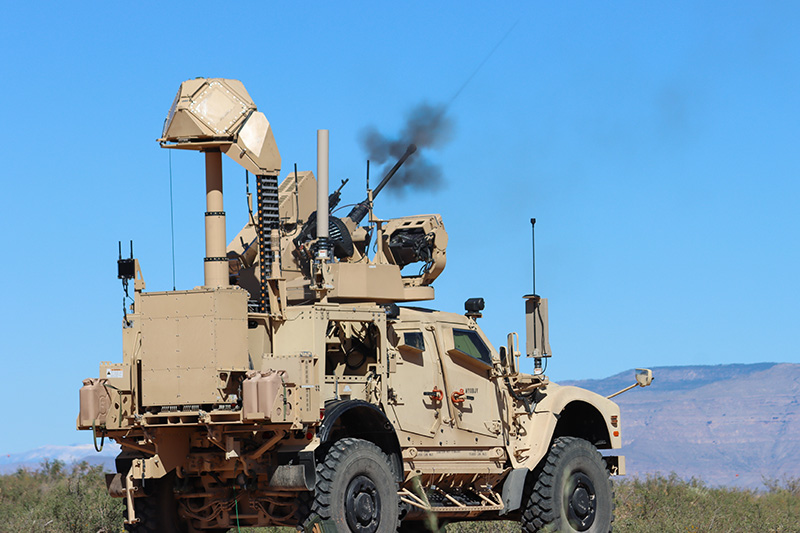
C-UAS platforms integrate multiple subsystems, each dependent on uninterrupted electrical and signal performance.

Core system layers

  • Detection: radar, RF sensing, EO/IR systems
  • Identification: signal classification and threat validation
  • Tracking: continuous positional awareness and trajectory prediction
  • Mitigation: jamming, spoofing, or physical neutralization

These subsystems must operate simultaneously, exchanging high-speed data and maintaining stable RF performance under changing conditions.

Why Interconnect Systems Define Reliability

Most system failures in field-deployed C-UAS platforms do not originate in the sensors or processors—they occur at connection points.

Common failure modes

  • EMI leakage across connector interfaces
  • RF signal degradation due to impedance mismatch
  • Moisture ingress at cable transitions
  • Connector disengagement under vibration
  • Insulation breakdown in high-temperature zones

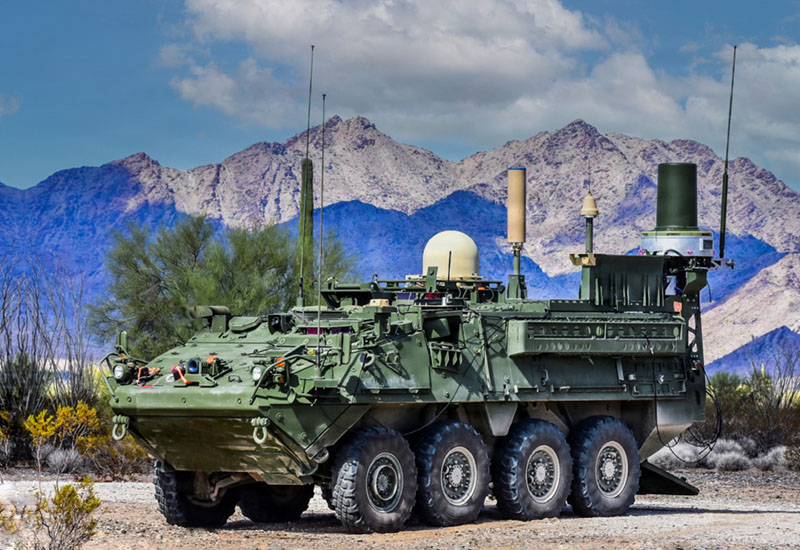
These issues are compounded in mobile deployments, outdoor environments, and electromagnetically dense operating conditions.
Counter-UAS Platforms

Core Interconnect Requirements for Counter-UAS Platforms

RF Signal Integrity

Detection and mitigation rely on consistent RF performance.

Design requirements include:

  • Controlled impedance throughout cable assemblies
  • Continuous shielding across connectors and enclosures
  • Low insertion loss and minimal signal distortion

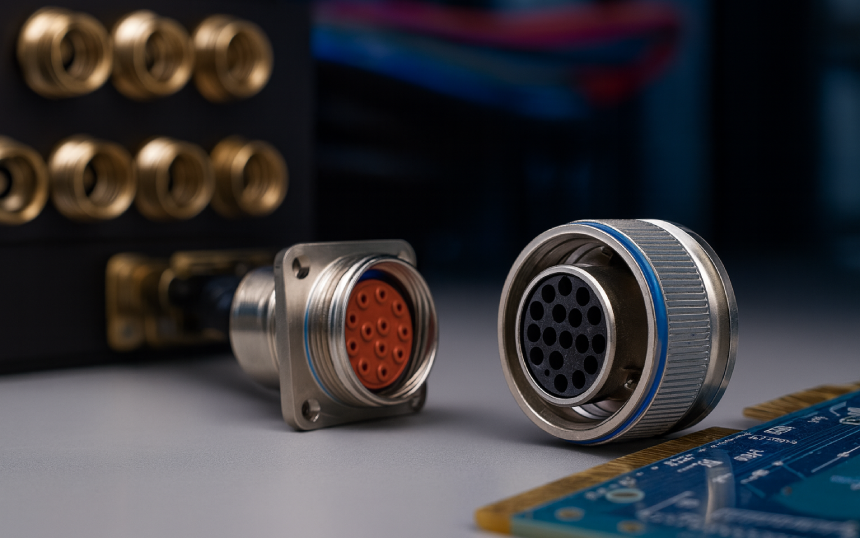
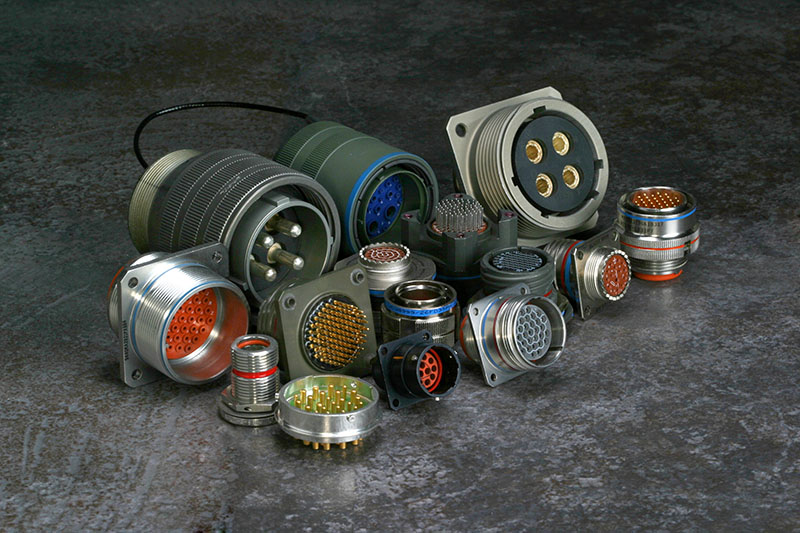
High-performance connectors from manufacturers like Amphenol—including MIL-DTL-38999 Series III platforms, VITA connectors, and WaSP microminiature connectors—are commonly used in defense-grade systems. Performance, however, depends on how these components are integrated into the overall assembly.

Environmental Sealing and Protection

C-UAS systems are frequently deployed in harsh, exposed environments.

Required protections include:

  • IP/NEMA-rated sealing against moisture and contaminants
  • Resistance to dust, chemicals, and corrosion
  • Long-term durability under temperature extremes

Solutions such as overmolded cable assemblies eliminate ingress points by sealing critical transitions between cable and connector.

Power and Signal Integration

Modern systems require simultaneous transmission of multiple electrical functions:

  • High-current power for mitigation systems
  • High-speed data for sensing and analytics
  • RF signals for detection and countermeasures

This drives the need for hybrid cable assemblies, which consolidate multiple pathways into a single engineered solution, reducing size, weight, and failure points.

Mechanical Reliability Under Dynamic Conditions

Many C-UAS systems are mounted on vehicles or designed for rapid deployment, introducing continuous vibration and mechanical stress.

Failure risks include:

  • Conductor fatigue at termination points
  • Connector loosening over time
  • Abrasion and insulation wear

Integrated strain relief and routing strategies are essential. Solutions like molded breakout and strain relief systems help prevent localized stress failures.

EMI Shielding and Grounding Continuity

C-UAS systems operate in contested electromagnetic environments where both detection and mitigation generate interference.

Design priorities include:

  • Continuous shielding across all interconnect interfaces
  • Proper grounding across cables, connectors, and enclosures
  • Suppression of internal and external EMI sources

Technologies such as EMI shielding and metal braiding are critical—but only when implemented as part of a complete system design.

The Integration Gap

Many system-level failures can be traced back to fragmented design approaches:

  • Connectors selected independently of cable architecture
  • Materials added after initial design to solve sealing or EMI issues
  • Multiple vendors introducing tolerance mismatches
  • Lack of validation at the system level

This creates hidden vulnerabilities—particularly at transition points between components.
Proven Components

Integrating Proven Components into System-Level Solutions

High-performance components from suppliers such as Amphenol are widely used in defense systems. These components are engineered to meet demanding specifications such as MIL-DTL-38999 and MIL-PRF-2950.

XACT integrates these components into complete interconnect systems by combining:

  • Connector platforms from proven manufacturers
  • Application-specific cable design and routing
  • Environmental sealing and strain relief
  • System-level validation across electrical, mechanical, and environmental conditions

This includes:

FAQ: Testing and Reliability at XACT EMS

Defense-grade systems often use MIL-DTL-38999 Series III connectors, VITA connectors for modular architectures, and WaSP microminiature connectors for space-constrained designs. These connector platforms are selected for their durability, environmental sealing, and consistent electrical performance in harsh operating conditions.

Counter-UAS platforms operate in dense electromagnetic environments where detection and jamming occur simultaneously. Without proper shielding and grounding continuity, interference can degrade signal integrity, reduce detection accuracy, and limit mitigation effectiveness.

MIL-DTL-38999 is a military specification for circular connectors designed for harsh environments. Series III connectors are commonly used in defense systems due to their high vibration resistance, secure coupling mechanisms, and ability to maintain performance in extreme conditions.

Fiber optic connectors, often specified under MIL-PRF-2950, are used in systems requiring high-speed data transmission and immunity to electromagnetic interference. While XACT does not manufacture fiber optic cables, these connectors are often integrated into broader system architectures alongside copper-based cable assemblies.

Hybrid cable assemblies combine power, signal, and RF transmission into a single integrated solution. This reduces system complexity, simplifies routing, and minimizes potential failure points.

Overmolding encapsulates the transition between cable and connector, providing environmental sealing, strain relief, and mechanical protection. This is critical in applications exposed to moisture, vibration, and temperature extremes.

System Reliability Starts at the Interface

Counter-UAS systems are only as effective as their weakest connection point.

As drone threats continue to evolve, performance requirements will increase—not just in detection capability, but in reliability under real-world conditions. Systems must operate continuously without failure at critical moments.

That requires interconnect systems engineered from the start as part of the overall design—not added after the fact.

Modern military ground vehicles are no longer purely mechanical systems. Today’s wheeled combat vehicles, armored personnel carriers, tactical support trucks, and missionized shelters integrate mission computers, tactical radios, remote weapon stations, CANBUS/J1939 networks, power distribution units, high-speed data systems, and RF communications.

As vehicle digitization expands, so does the complexity of vetronics cable assemblies that connect these subsystems.

Explore Military-Grade Cable Assemblies:

In high-vibration, EMI-dense military environments, harness protection is not cosmetic — it is mission-critical. This article explains where military vehicle wire harnesses fail and how shielding, tubing, sleeving, and molded transitions are engineered into rugged cable assemblies to reduce intermittent faults and improve long-term sustainment outcomes.

Why Vetronics Cable Assemblies Fail in Military Ground Vehicles

Ground vehicle environments create predictable failure modes. Most issues trace back to routing mechanics, transition design, shielding integrity, and environmental exposure — not “bad cable.”

High Vibration and Shock Fatigue

Off-road military vehicles experience continuous vibration, torsional stress, and repeated shock loading. Failures often initiate at:

  • Connector exits and backshell transitions
  • Molded breakout points
  • Unsupported spans near suspension or turret structures

Without proper strain relief and overmolding — such as those used in overmolded cable assemblies — conductors and shield layers can fatigue over time, leading to intermittent faults that are extremely difficult to diagnose in the field.

Abrasion and Chafing in Armored Chassis

Routing through armored hulls, bulkheads, turret rings, and articulated joints introduces:

  • Metal edges
  • Clamp pressure points
  • Repetitive rubbing zones
  • Pinch hazards

Abrasion can damage outer jackets, braid shields, foil shields, and conductor insulation. Engineered tubing and sleeving systems play a critical role here. Protective solutions found under Tubing & Sleeving provide abrasion resistance and bundle stability in high-wear zones.

For shielding reinforcement, EMI and metal braiding solutions help protect signal integrity in vibration-heavy environments.

EMI and Signal Integrity Risk in Vetronics Systems

Modern vetronics architecture combines:
  • High-current power distribution
  • Shielded twisted pair networks
  • CANBUS / J1939 communication lines
  • Ethernet and high-speed data links
  • RF coax assemblies

Improper shielding or damaged braid/foil layers increase susceptibility to electromagnetic interference (EMI), potentially disrupting mission-critical systems.

Effective EMI control may incorporate:

  • Shielded harness constructions
  • Controlled impedance requirements
  • RF assemblies
  • Shielded and filtered connectors
  • Enclosure-level EMI sealing solutions

For broader EMI containment at the enclosure level, shielded gasket solutions and EMI foil tape solutions can support system-level shielding continuity.

The goal is not maximum shielding — it is correct shielding architecture, properly terminated and mechanically protected.

Environmental Exposure on External Harnesses

External harnesses on military ground vehicles are exposed to:

  • Fuel, oil, and hydraulic fluids
  • Dust and debris
  • Washdown conditions
  • UV radiation
  • Extreme temperature cycling

Material selection must align with real exposure profiles. Common protective solutions include:

Engineering Rugged Military Vehicle Wire Harnesses

A rugged military vehicle wire harness integrates mechanical protection, EMI control, and configuration discipline into a controlled build.

Tubing and Sleeving as Engineered Protection Systems

Protective sleeving supports:
  • Abrasion resistance
  • Cut-through protection
  • Bundle organization
  • Breakout reinforcement
  • Thermal and chemical protection

Material attributes commonly specified in defense programs include abrasion resistance, chemical resistance, high flex capability, UV resistance, flame retardance, and compliance-driven material constraints.

Tubing and sleeving are not standalone accessories — they function as part of a rugged harness system designed to survive long-term vibration and environmental stress.

Molded Breakouts and Transition Protection

High-stress areas require reinforcement. Molded breakout or splitter solutions are frequently used at:
  • Connector exits
  • T-type splits
  • Y-type splits
  • X-type branch transitions

These molded transitions improve strain relief, protect shield terminations, and reduce conductor fatigue under dynamic loading.

Hybrid Power + Signal Assemblies

Military ground vehicles increasingly use hybrid cable assemblies combining:

  • Power conductors
  • Control signals
  • Data networks
  • RF interfaces

Hybrid cable solutions reduce connection points and simplify routing, but they require disciplined segregation and shielding to prevent cross-coupling and signal degradation.

External vs. Internal Harness Protection

Harness External (Exposed Routing)

External harnesses typically require:

  • Abrasion-resistant sleeving
  • Environmental sealing
  • Chemical-resistant materials
  • Booted or heat-shrink transitions

These often align with rugged and harsh environment assembly solutions.

Harness Internal (Protected Electronics Bays)

Internal harnesses often prioritize:

  • Shield integrity
  • Signal integrity / impedance control
  • Clean breakout geometry
  • Configuration management and documentation
Engineering support through engineering design services can help align mechanical protection with electrical performance requirements.

Sustainment and Ground Vehicle Modernization

Military ground platforms remain in service for decades. That creates recurring demand for:
  • Replacement harnesses
  • Retrofit harness kits
  • Controlled rebuilds
  • Obsolescence-driven replacements
  • Repair and recertification
Cable repair and recertification services support sustainment programs where reliability and documentation accuracy are essential. Supply chain continuity through structured supply chain management also plays a key role in defense sustainment cycles.

Practical Takeaways for Vetronics Harness Protection

When evaluating rugged cable assemblies for military ground vehicles, focus on:
  • Where abrasion will occur and how it is mitigated
  • How transitions are strain-relieved and reinforced
  • How shielding is protected and terminated
  • How environmental exposure is addressed
  • How configuration control supports long-term sustainment
Ground vehicle modernization continues to increase electrical density, networking complexity, and EMI sensitivity. Harness protection — including tubing, sleeving, shielding, and molded transitions — directly impacts reliability, fleet readiness, and maintenance burden.

XACT engineered a 100% shielded, field-repairable fuse holder for the U.S. Army’s M1 Abrams main battle tank. The redesigned assembly improved EMI protection, reduced field downtime, and enhanced mission readiness in harsh armored vehicle environments.

Program Overview

XACT Engineered Manufacturing Solutions was engaged to resolve a field reliability issue affecting electrical subsystems on the M1 Abrams main battle tank platform operated by the United States Army.

The challenge required a defense-grade redesign aligned with our Military-Grade Cable Assemblies capabilities, built for extreme vibration, shock, and electromagnetic interference conditions typical of armored vehicle platforms.

The Challenge

The U.S. Army was experiencing recurring performance issues with a field-repairable fuse holder used within the Abrams electrical architecture.

Key technical concerns included:

  • Insufficient EMI shielding
  • Exposure to high vibration and mechanical shock
  • Environmental durability limitations
  • Increased field service time
  • Reduced platform readiness

Electrical reliability in armored ground vehicles directly impacts operational availability. The fuse holder required redesign to improve shielding performance, durability, and field serviceability.

The Engineering Solution

Through a structured evaluation using our Engineering Design Services, XACT developed a redesigned, fully shielded, field-repairable fuse holder assembly optimized for military vehicle deployment.

The upgraded assembly incorporated:

  • 100% EMI shielding architecture
  • Ruggedized mechanical structure for vibration resistance
  • Field-repairable configuration to reduce downtime
  • IPC/WHMA-A-620 Class 3 workmanship standards
  • Full traceability and documentation support

Where additional electromagnetic mitigation strategies were required at the enclosure level, shielding continuity was supported through engineered material solutions such as Shielded Gasket Solutions, the EMI Shielding portfolio, EMI Foil Tape Solutions, and RF Absorbing Solutions.

This system-level integration ensures shielding effectiveness across both interconnect and enclosure interfaces.

Results

Following validation and evaluation, the United States Army approved and adopted the redesigned shielded fuse holder for integration into M1 Abrams platforms.

Program impact included:

  • Reduced field service downtime
  • Improved electrical reliability under combat vibration profiles
  • Increased mission readiness
  • Long-term deployment adoption

The solution remains in service today and reflects XACT’s capability to deliver ruggedized interconnect systems for mission-critical defense programs.

Defense Manufacturing Capabilities

This program reflects XACT’s broader expertise across:

Supporting production continuity through structured Supply Chain Management, integrated Value-Added Services, and precision Machining & Fabrication.

Compliance & Certifications

XACT supports controlled defense programs under AS9100D / ISO 9001 certification and IPC Class 3 workmanship standards.

Full compliance documentation is available on our Certificates & Accreditations page.

Our supply chain transparency policies can also be reviewed through our Conflict Minerals Statement.

Integrated Materials & Interconnect Strategy

Complex defense systems often require coordinated material and interconnect engineering.

Through our Integrated Interconnect & Cable Assembly Solutions approach, Matrix provides engineered EMI, thermal, sealing, and identification materials while XACT manufactures ruggedized cable assemblies, overmolds, connectors, and electromechanical builds.

This integrated structure reduces program risk and improves shielding, sealing, and overall system reliability.

Supporting Long-Life Defense Programs

Defense platforms demand long lifecycle support and production continuity. XACT provides:

  • Controlled documentation management
  • Secure engineering collaboration
  • Repair and refurbishment of fielded assets
  • Recertification for defense and regulated programs

For secure drawing submission or engineering consultation, visit our Contact page or explore our full Military-Grade Cable Assemblies capabilities.
How Rugged Cable Assemblies Support the Future of Autonomous & Optionally Piloted Aircraft

Autonomous and optionally piloted aircraft are rapidly reshaping modern aviation. As next-generation rotorcraft and fixed-wing platforms integrate more sensors, processors, and onboard intelligence, the need for high-reliability interconnects has never been higher.

Across the aerospace sector, programs involving advanced autonomy—such as the widely covered demonstrations of autonomous Black Hawk and rotorcraft logistics missions—highlight a simple reality:

Even the most sophisticated autonomy software depends on rugged, stable, interference-free signal pathways.
This is where XACT EMS supports aerospace engineers, integrators, and system designers.

Why Autonomy Requires Rugged Interconnects

Autonomous flight technologies, whether fully uncrewed or pilot-optional, place extreme demands on the wiring and interconnects that support onboard electronics:

  • High vibration environments inside rotorcraft fuselages
  • EMI-rich conditions from sensors, radios, and computing hardware
  • Rapid signal switching and high-speed data pathways
  • Environmental exposure during resupply missions, landing scenarios, or sling operations
  • Dynamic strain on harnesses and connectors

The performance of autonomy hardware depends heavily on the durability and stability of the interconnect layer that ties everything together.

XACT’s cable assemblies are engineered with exactly these conditions in mind.

Rugged Cable Assemblies for Aerospace Autonomy Programs

XACT provides aerospace-grade interconnect solutions designed for harsh environments and mission-critical avionics:

Shielded Cable Assemblies

For navigation systems, mission computers, and flight-control electronics that must operate in EMI-dense environments.

Overmolded Connectors

Providing sealed strain relief, vibration resistance, and mechanical protection for connectors exposed to movement or impact.

MIL-Spec Harnessing

Supporting defense-grade platforms that require reliability through shock, vibration, and extreme temperature cycles.

High-Flex and Vibration-Tolerant Cables

Ideal for rotorcraft, powered flight surfaces, articulated systems, and autonomous payload deployment equipment.

Environmental Sealing

Protecting interconnects from dust, debris, moisture, and landing-zone contaminants.
These solutions are used across a range of aerospace applications—from avionics modules to mission systems to unmanned airframes.

Applications Relevant to Emerging Autonomy Platforms

The environments seen in autonomous rotorcraft demonstrations closely mirror the conditions XACT solutions are built for:
  • Flight-control computers
  • Navigation systems
  • LIDAR, radar, and sensor integration
  • Mission-system wiring
  • Power distribution
  • External payloads and sling-load systems
  • Cockpit and ground-control interfaces
Whether piloted or uncrewed, modern aircraft depend on stable, ruggedized interconnects to operate safely. .

Partnering with Matrix Technology Ltd. for Materials Support

While XACT specializes in rugged interconnects, autonomy platforms also require EMI shielding, thermal management materials, and conductive components to protect sensitive electronics.

Matrix Technology Ltd. provides:

Together, the two companies support aerospace electronics from both sides:

materials + interconnects.

Learn more about Matrix’s materials for aerospace avionics →

Bring Your Aerospace Project to XACT

Whether you’re designing next-generation avionics, integrating autonomy hardware, or modernizing a rotorcraft platform, XACT EMS provides the rugged cable assemblies and interconnect solutions required for mission success.

Contact XACT EMS for aerospace cable assembly support

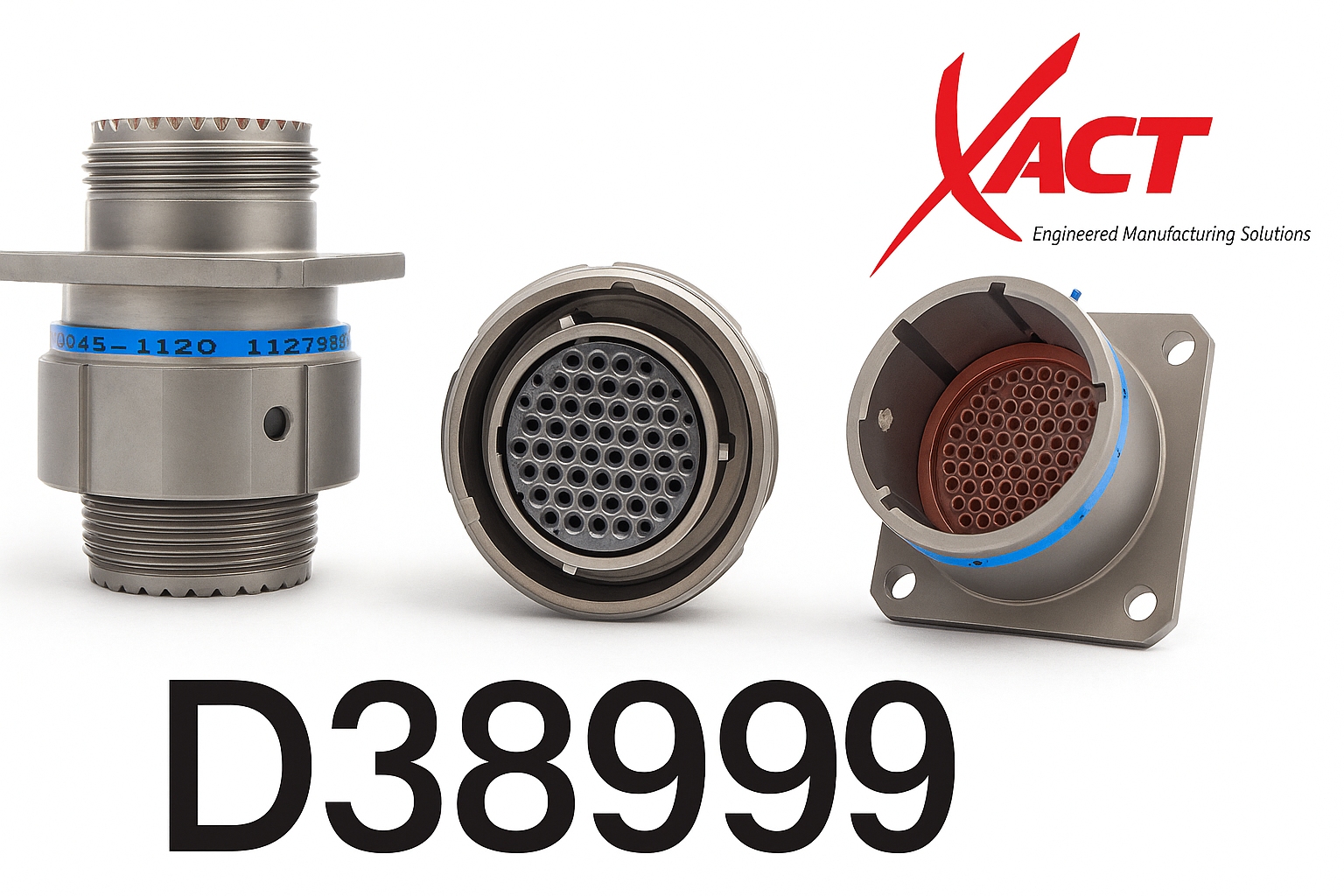
MIL-DTL-38999 connectors are the most widely used military circular connectors in aerospace and defense. Engineered for high-density performance in extreme conditions, they support the mission-critical power, signal, and RF requirements found across modern platforms.

For OEMs, integrators, and program teams, these connectors deliver long-term reliability, rugged construction, and standardized performance. When those connectors must be integrated into a fully validated harness or cable assembly, XACT provides AS9100-certified builds manufactured for the environments defense and aerospace systems face every day.

Request a quote or contact our team using the form below

Why MIL-DTL-38999 Connectors Dominate Defense & Aerospace

MIL-DTL-38999 connectors are built for the demanding conditions where commercial connectors fail. Key advantages include:

High-Density Performance
38999 connectors deliver exceptional contact density for their footprint and can support mixed-signal applications: power, low-voltage signal, RF, coax, twinax, and triax.

Environmental and Mechanical Ruggedness
Designed to resist vibration, shock, dust, fluid ingress, corrosion, and thermal extremes, these connectors maintain reliable performance under continuous operational stress.

Electrical Integrity and EMI Protection
38999 connectors support stable ground paths and effective EMI/RFI shielding—critical for avionics, mission systems, radar, C4ISR electronics, and high-speed digital equipment.

Long-Term Mil-Spec Stability
With decades of program adoption and specification control, MIL-DTL-38999 provides a dependable base for long lifecycle defense platforms.

The Four MIL-DTL-38999 Series

MIL-DTL-38999 connectors are available in four series, each suited for different design priorities.

Series I – Bayonet Coupling

  • Fast mating/unmating
  • Scoop-proof interface
  • Excellent for equipment that requires rapid service access

Series II – Low-Profile Bayonet

  • Minimal weight and footprint
  • Used in space-constrained avionics and electronics bays

Series III – Tri-Start Threaded

  • Industry’s most common variant
  • Superior environmental sealing and vibration performance
  • Widely used in aerospace, ground vehicles, naval systems, and ISR payloads

Series IV – Breech-Lock

  • Ideal for blind-mate applications
  • Excellent mechanical retention in tight-access assemblies

Where MIL-DTL-38999 Connectors Are Used

38999 connectors support mission-critical systems across:

  • Military aircraft (avionics, engines, flight controls)
  • UAVs, UAS, and ISR sensors
  • Ground vehicles and vetronics
  • C4ISR and tactical communications systems
  • Naval combat and shipboard electronics
  • Missile and ordnance guidance systems
  • Harsh-environment industrial applications
  • Space and high-altitude electronics

Where performance under duress is required, MIL-DTL-38999 remains the connector of choice.

XACT’s Military Grade Cable Assemblies and EMI/Thermal Materials

Why Engineering Teams Choose XACT for MIL-DTL-38999 Assemblies

XACT manufactures rugged, reliable MIL-DTL-38999 cable assemblies engineered for harsh military and aerospace environments.

AS9100-Certified Manufacturing
All assemblies are produced under aerospace-grade controls with documented workmanship standards.

Overmolding & Environmental Sealing
Custom overmolds, backshell integration, and strain-relief solutions support durability against:

  • Vibration
  • Shock
  • Fluid exposure
  • Mechanical stress
  • Repeated mating cycles

EMI/RFI Shield Terminations
XACT provides 360° shield termination capability for power, signal, coax, twinax, and triax harnesses—critical for EMI-sensitive avionics and mission systems.

Full Electrical & Mechanical Testing
Testing capabilities include:

  • Continuity
  • Insulation resistance
  • Hi-Pot
  • Pull strength
  • Flex/bend testing

Traceability & Documentation
XACT provides fully traceable builds with QA documentation, including lot-level controls aligned with aerospace and defense requirements.

Repair & Recertification Services
XACT can restore MIL-DTL-38999 cable assemblies—even those originally built by another supplier.

Learn more about our repair and recertification services

FAQ: Testing and Reliability at XACT EMS

A typical mil-spec part number looks like:

D38999/26WG11SN

Each segment specifies the connector style, finish, shell size, insert arrangement, contact type, and keying orientation. This structured format ensures compatibility across platforms and suppliers.

Common examples include:

  • D38999/20WA35PN
  • D38999/26WB98SN
  • D38999/24ZC04PN
  • D38999/26FG16SN
  • D38999/46HB35PN

These numbers follow standard mil-spec formatting used throughout defense and aerospace.

Typical shell sizes include:

9, 11, 13, 15, 17, 19, 21, 23, 25

Common arrangements include:

11-35, 13-98, 15-05, 17-06, 19-32, 21-75, 23-53, 25-37, 25-61

38999 connectors can be used with:

  • Crimp contacts
  • Solder contacts
  • Coax
  • Twinax
  • Triax

Yes. XACT offers restore-to-spec services including inspection, re-termination, overmold replacement, and updated documentation.

https://xactems.com/cable-repair-and-recertification/

Defense, aerospace, UAVs, naval systems, rugged industrial automation, and space applications.

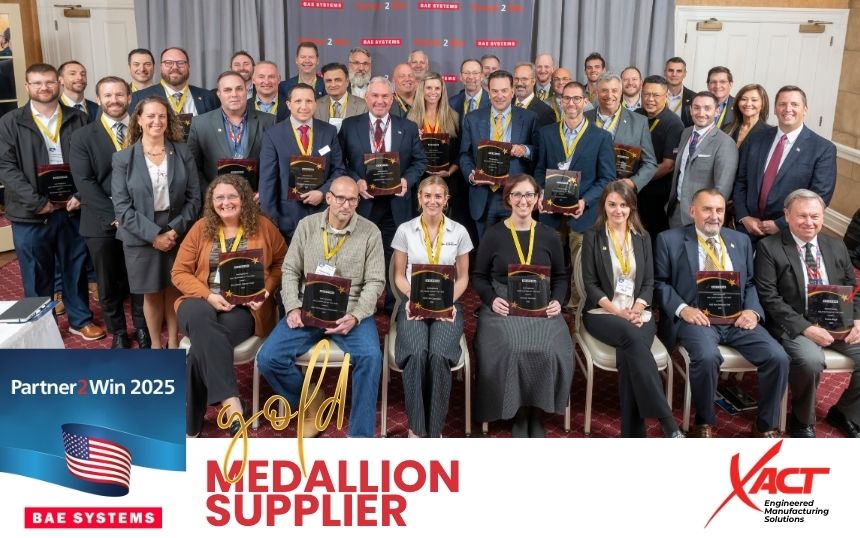
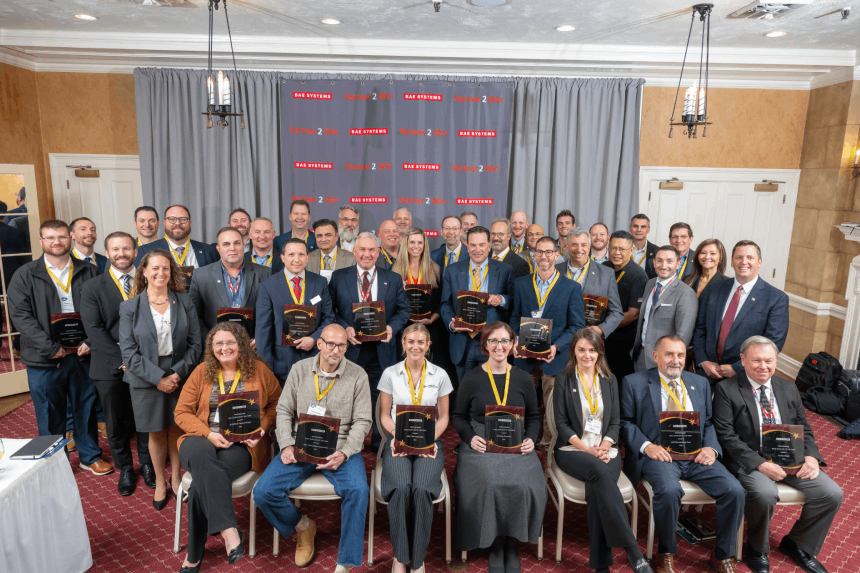
HOUSTON, Texas — November 19, 2025 — XACT Engineered Manufacturing Solutions (XACT EMS) received a Gold Medallion at BAE Systems’ ‘Partner2Win’ suppler symposium, recognizing its exceptional performance and commitment to operational excellence this year.

XACT’s contributions to supply chain success and the U.S. defense industrial base helped BAE Systems ensure quality deliveries of combat vehicles and weapon systems to the U.S. military and its allies.

Partner2Win 2025 text above a stylized American flag ribbon and the BAE Systems Partner2Win Gold Medallion logo on a blue and white background.

“The strength of our supply network is these companies. They’re more than just partners – they’re an extension of our team,” said Garrett Lacaillade, vice president of integrated operations for BAE Systems’ Combat Mission Systems business. “Their innovation, reliability, and relentless commitment to excellence fuels our ability to deliver for warfighters. This event is our way of saying thank you and celebrating the power of what we deliver together.”

Gold-Medallion-Suppliers

The ‘Partner2Win’ program, now in its seventh year, acknowledges suppliers who excel in operations, quality, and procurement. Through this program, BAE Systems fosters close relationships with its suppliers, sharing best practices, learnings, and innovative solutions to drive mutual success. The award-winning suppliers this year have demonstrated exceptional commitment to delivering high-quality products for warfighters.

Learn more about BAE Systems’ ‘Partner2Win’ supplier symposium here.

About BAE Systems:

BAE Systems, Inc. and its nearly 41,000 people are part of a global defense, aerospace, and security company with approximately 100,000 employees worldwide. We deliver a full range of products and services for air, land, sea and space, as well as advanced electronics, intelligence, security, and IT solutions and support services. Our dedication shows in everything we do. Inspired by the exceptional, our ambitious teams design, produce, and deliver—to protect those who protect us in a high-performance, innovative, flexible, and collaborative culture. We push the limits of possibility to provide a critical advantage to our customers where it counts.

About XACT Engineered Manufacturing Solutions

XACT Engineered Manufacturing Solutions (XACT EMS) delivers precision cable assemblies, overmolding, EMI shielding, and engineering support for aerospace, defense, industrial, and energy applications. With operations in Calgary (AB) and Houston (TX), XACT EMS holds AS9100D / ISO 9001, IPC/WHMA-A-620 & J-STD-001, JCP/ITAR, and CMMC Level 2 / NIST standards, and operates in partnership with Matrix Technology Ltd. Learn more at www.xactems.com.

For further information, please contact:

Jenny Nichols
Director of Marketing
XACT Engineered Manufacturing Solutions

Email: JennyNichols@xactusa.com | www.xactems.com

Laken Kilgore, BAE Systems
Mobile: 256-689-2073
laken.kilgore@baesystems.us

FAQ: Testing and Reliability at XACT EMS

XACT EMS offers a comprehensive range of electrical, mechanical, environmental, and shielding tests — both in-house and through trusted lab partners. These include continuity, insulation resistance, dielectric withstand (Hi-Pot), signal integrity, RF performance & VSWR, strain relief and pull testing, flex and bend testing, shock and vibration simulation, salt fog/corrosion resistance, temperature and humidity chamber testing, shielding effectiveness, overmold adhesion validation, hermetic seal testing, visual inspection, and custom test jig design. Each test validates critical performance factors such as electrical integrity, sealing, durability, and EMI protection.

XACT EMS validates its rugged cable assemblies to meet or exceed IP68, MIL-STD-810, and a wide range of industry-specific and customer-defined standards.

Examples of standards we’ve built to in the past include:
  • Military & Defense: MIL-SPEC, QPL, RoHS
  • Energy / Oil & Gas: ATEX, NEMA, NEK 606
  • Marine & Offshore: ABS, DNV, Lloyd’s Register
  • Industrial / Power: IEEE, ICEA, UL 44
  • Telecom: Telcordia GR-Series, TIA
  • Transportation: AREMA, NFPA, ASTM, LSZH specifications
These references represent only a portion of the specifications XACT EMS supports. We routinely tailor testing and qualification to meet customer-specific or program-specific requirements across multiple sectors.

Through our vacuum submersion leak testing and hermetic seal validation processes, XACT EMS identifies even the smallest air leaks or water ingress. Combined with overmold adhesion validation, this ensures each cable assembly maintains its watertight and mechanically bonded seal over long-term use.

XACT EMS uses temperature and humidity chamber testing, salt fog/corrosion resistance testing, and mechanical stress simulations to assess performance in harsh conditions. These tests ensure that assemblies can operate reliably in environments involving temperature extremes, moisture, or corrosive exposure.
 

XACT EMS performs shielding effectiveness testing and RF performance/VSWR testing to evaluate how well assemblies prevent signal interference and maintain stable transmission characteristics in demanding electromagnetic environments.

Yes. XACT EMS regularly develops custom test jigs and fixtures to replicate specific customer use cases or connector geometries. This allows us to perform accurate, repeatable QA on specialized or unique assembly configurations.

Yes. Formal test reports, protocols, and qualification documentation are available upon request. XACT EMS also works closely with customers to tailor test procedures to program-specific or regulatory requirements.
 
XACT EMS maintains full testing capability at both its Calgary, Alberta and Houston, Texas facilities — ensuring consistent validation standards across all production sites.

Miniature Form. Maximum Function — Mighty Mouse Connector Series 80

When space is tight and reliability is non-negotiable, engineers reach for the Series 80 Mighty Mouse Connector — a miniature circular connector that delivers heavyweight performance.

Roughly half the size and weight of traditional MIL-DTL-38999 connectors, it offers IP67+ sealing, 360° EMI protection, and up to 10,000 mating cycles in aerospace, defense, robotics, and industrial environments.

Optimized for Harsh Environments

XACT EMS integrates these connectors into custom overmolded cable assemblies built for mission-critical platforms where SWaP (Size, Weight & Power) optimization matters most. As a result, these assemblies deliver reliable connectivity even in high-vibration, high-temperature, or high-moisture conditions.

Why It Earned the Name “Mighty.”

Feature Performance Advantage
Size & Weight ~50% smaller and lighter than MIL-DTL-38999 connectors
Environmental Sealing IP67 – IP69 dust and moisture protection
EMI/RFI Shielding 360° coverage for signal integrity
Durability 500 – 10,000 mating cycles tested
Materials Aluminum, stainless steel, or composite shells
Coupling Styles Threaded, bayonet, push-pull
Temperature Range −55 °C to +150 °C
Standards MIL-STD-810 & RTCA DO-160 environmental testing

Additionally, XACT builds to spec — not stock. Every assembly undergoes AS9100-certified inspection and traceable testing for regulated industries.

Applications That Rely on It

Industry Example Systems
Defense & Military Soldier-worn radios, targeting systems, UAV payloads
Aerospace Avionics modules, cockpit controls, navigation units
Robotics Autonomous ground vehicles, sensor arrays
Energy & Industrial Downhole inspection tools, portable instrumentation
Medical & Emergency Ruggedized wearables and field equipment

Built-to-Spec Customization Options

XACT EMS provides factory-integrated Mighty Mouse assemblies with:

  • Overmolding and strain relief for harsh environments (view our overmolding capabilities)
  • EMI/RFI-shielded backshells and ground terminations
  • Molded-in branding or traceability markings
  • Keyed configurations to prevent mismating
  • Serialized labels and lifecycle documentation

With AS9100D-certified facilities in Houston, Texas and Calgary, Canada, XACT delivers full process traceability and testing to MIL standards — ensuring every assembly performs from prototype to field deployment. Learn more about our cable repair and recertification services.

Trusted Across Critical Programs

The Mighty Mouse Connector has earned its reputation in real-world systems that cannot afford failure — from fighter cockpits to tactical radios to space-constrained robotic controls. Meanwhile, XACT’s integration services extend that value through complete cable solutions and testing.

Let’s Build Your Next Project to Spec — Not Stock.

Looking for a connector that punches above its weight? Contact XACT EMS about custom overmolded assemblies using Mighty Mouse and other miniature circular connectors.

Stay connected with XACT EMS for more product updates and insights — follow us on LinkedIn.

Complete Mighty Mouse Connector Part Number Index (Series 80)

Provided for cross-reference. XACT EMS integrates and builds assemblies utilizing these and equivalent specifications.
249-003, 340MS001, 340MS026, 370MA038, 370MB038, 370MS038, 380MS135, 380MS137, 380MS141, 390MA077, 390MB077, 390MS076, 390MS077,
440MK135, 440ML135, 440MS134, 440MS135, 447MS981,
600-137, 600-140, 600-141, 600-146, 600-147, 600-154, 600-172, 600-185, 600-197, 600M005, 600MM005,
601-060, 601-061, 601-064, 601-065, 601-101,
620MA065, 620MB065, 620MS064, 620MS065,
650-061, 657-072, 657-079,
660-082, 660-083, 660-087, 660-088,
667-184, 667-185, 667-202, 667-217, 667-218, 667-241, 667-242, 667-261, 667-262, 667-282, 667-347, 667-387, 667-392, 667-424, 667-462, 667-497, 667-509,
680-116, 680-120,
800-006, 800-007, 800-008, 800-009, 800-010, 800-011, 800-012, 800-013, 800-032, 800-034, 800-035, 800-036, 800-037, 800-038, 800-039, 800-040, 800-041, 800-052, 800-053, 800-054, 800-055, 800-056, 800-057, 800-058, 800-059, 800-060,
801-007, 801-008, 801-009, 801-010, 801-011, 801-012, 801-017, 801-023, 801-024, 801-026, 801-028, 801-029, 801-031, 801-032, 801-033, 801-034, 801-052, 801-059, 801-065, 801-066, 801-067, 801-068, 801-069, 801-070, 801-071, 801-072, 801-073, 801-074, 801-075, 801-113, 801-114, 801-121, 801-122, 801-123, 801-124, 801-125, 801-126,
802-008, 802-009, 802-010, 802-011, 802-012, 802-013, 802-030, 802-040, 802-050, 802-056, 802-058, 802-059, 802-060, 802-061, 808-062,
803-001, 803-002, 803-003, 803-004, 803-005, 803-006, 803-007, 803-009, 803-010, 803-011, 803-012, 803-013, 803-014, 803-015, 803-016, 803-026, 803-027, 803-028, 803-029, 803-030, 803-031, 803-032, 803-033,
804-001, 804-002, 804-003, 804-004, 804-005, 804-006, 804-009, 804-013, 804-015, 804-016, 804-017, 804-018, 804-019, 804-020, 804-021, 804-022, 804-032, 804-058, 804-059, 804-060, 804-061, 804-062, 804-063, 804-064, 804-065, 804-066, 804-067, 804-113, 804-114, 804-116, 804-140,
805-001, 805-002, 805-003, 805-004, 805-005, 805-006, 805-007, 805-009, 805-010, 805-011, 805-012, 805-013, 805-015, 805-016, 805-017, 805-018, 805-019, 805-054, 805-057, 805-058, 805-059, 805-060, 805-061, 805-062, 805-063, 805-064, 805-065, 805-066, 805-067, 805-127, 805-128, 805-130, 805-132, 805-140,
809-001, 809-002, 809-005, 809-013, 809-015, 809-035, 809-042, 809-043, 809-054, 809-055, 809-057, 809-065A, 809-065C, 809-066A, 809-066C, 809-067, 809-083, 809-087, 809-088, 809-092, 809-093, 809-094, 809-101, 809-107, 809-108, 809-110, 809-111, 809-112, 809-113, 809-114, 809-115, 809-116, 809-117, 809-118, 809-119, 809-120, 809-121, 809-124, 809-125, 809-126, 809-127, 809-128, 809-129, 809-130, 809-131, 809-132, 809-133, 809-134, 809-135, 809-136, 809-137, 809-138, 809-141, 809-150, 809-155, 809-165, 809-173, 809-174, 809-183, 809-189, 809-190, 809-191, 809-198, 809-199, 809-200, 809-203, 809-204, 809-205, 809-206, 809-207, 809-209, 809-213, 809-240, 809-299, 809-300, 809-301, 809-303, 809-335, 809-369, 809-370, 809-371, 809-372, 809A060, 809B060, 809SL060, 809SU060,
811-001-06, 811-003-01, 811-003-02, 811-003-07, 811-004-02, 811-004-07, 811-005-02, 811-005-07, 811-006-02, 811-006-07, 811-007,
829-012, 830-003, 830-004,
850-002, 850-003, 850-013, 850-014,
852-006, 852-007, 852-015, 852-016, 852-017, 852-018, 852-030, 852-031, 852-042, 852-043, 852-056, 852-057, 852-082, 852-083, 852-103, 852-104,
853-003, 853-004, 853-013, 853-014, 853-017, 853-018, 853-024, 853-025,
854-001, 854-002,
857-034,
859-006, 859-013, 859-014, 859-025, 859-026, 859-042, 859-046, 859-047, 859-048, 859-049, 859-050, 859-051, 859-072, 859-124, 859-125, 859-126, 859-134, 859-135, 859-164, 859-240,
963-001, 963-002, 963-003, 963-005, 963-006,
M81969/8-07, M81969/8-08, M81969/8-09, M81969/8-10

Mighty Mouse® is a registered trademark of CBS Studios Inc. This image and reference are used under nominative fair use to describe Glenair’s Series 80 “Mighty Mouse” connector product. XACT Engineered Manufacturing Solutions and Matrix Technology Ltd. are not affiliated with, sponsored by, or endorsed by CBS Studios Inc.

Reliable Componentry. Custom Assembly.

The MIL-DTL-38999 specification—originally developed in the 1970s—continues to define modern interconnects used in defense, aerospace, and industrial systems. These connectors, originating from industry efforts including those of the Bendix Scintilla Division (now part of Amphenol), established a foundation for rugged, high-density, environmentally sealed interfaces.

Today, MIL-SPEC connectors span a wide range of use cases—from missile systems and aircraft avionics to underwater robotics and autonomous vehicles. The connector families themselves are standardized, but the way they’re integrated into a system varies by application—and that’s where XACT EMS steps in.

XACT: From Connector to Complete Assembly

At XACT EMS, we don’t just stock connectors—we engineer complete interconnect solutions. Whether you’re dealing with vibration zones, temperature extremes, EMI/RFI exposure, or fluid ingress, we provide:

  • Overmolded harnesses for abrasion resistance and strain relief
  • Booted assemblies for sealed transitions and rugged environments
  • Complete cable and wire harnesses tailored to spec
  • Custom backshells, labeling, and potting for full turnkey integration

We work with the full range of MIL-SPEC connector styles to build harnesses that meet exact design, environmental, and electrical needs—from the front panel to the power source.

MIL-SPEC Connector Categories & Types

Here’s a categorized reference list of the major connector series and derivative types commonly integrated into our harness assemblies:

Classic MIL-SPEC Series

  • MIL-DTL-38999 Series I (LJT), II (JT), III (TV)
  • MIL-DTL-26482 Series II
  • MIL-DTL-83723
  • MIL-DTL-5015
  • MIL-DTL-22992 Class L

High-Temperature & High-Power Variants

  • High Temperature Series Five (engine and firewall-rated)
  • High Power 38999 (RADSOK®, Temper-Grip, >500A capable)
  • High Voltage 38999 (next-gen power interfaces)

Extreme Environment / Derivative Series

  • Deep Space 38999 (cryogenic)
  • HD38999 High Density (+30% contact density)
  • Dualok (high-vibration applications)
  • Aquacon (fluid immersion, subsea)
  • ETV38999 (cost-sensitive applications)

Printed Circuit Board (PCB) Mount

  • D38999 Series I/II/III with PC Tail Contacts
  • D38999 PCB Hermetics (sealed and shielded)

High-Speed Data & Fiber Optics

  • Quadrax, Twinax, Coax, USB 3.0, HDMI, GbE
  • Fiber Optic using MIL-PRF-29504, ARINC 801, JSFC, MT

EMI/EMP Filtered Connectors

  • D38999 Series I, II, III with filtering
  • TVS diode and MOV versions for transient suppression

Hermetic / Sealed Connectors

  • Glass-to-metal and epoxy seals across D38999 Series I/II/III
  • AmpheSEAL High Pressure sealing

Quick Disconnect / Breakaway

  • Breakaway Series (MIL-STD-1760-qualified)
  • T-Line Push-Pull
  • LJT Breakaway

Miniature & Micro-Miniature Series

  • 2M Micro 38999
  • Bantam Micro-Bayonet
  • Warrior Grip (wearable soldier systems)
  • MRC Multi-Media Ruggedized

Specialized Connector Options

  • Bulkhead Feedthroughs
  • Connector Savers
  • RoHS-Compliant Platings (AP-93, electroless nickel, etc.)
  • Jam Nut Styles (space-saving mount)
  • Integral Backshells, Dummy Receptacles, Caps

Built. Sealed. Delivered.

We specialize in transforming these standardized components into ruggedized interconnect harnesses, ready for field deployment. Whether you’re prototyping a small UAV interface or building out full vehicle architecture, our team helps configure, mold, and boot your assemblies to perform in the real world—not just on paper.

Let us know your specs—we’ll take it from there.