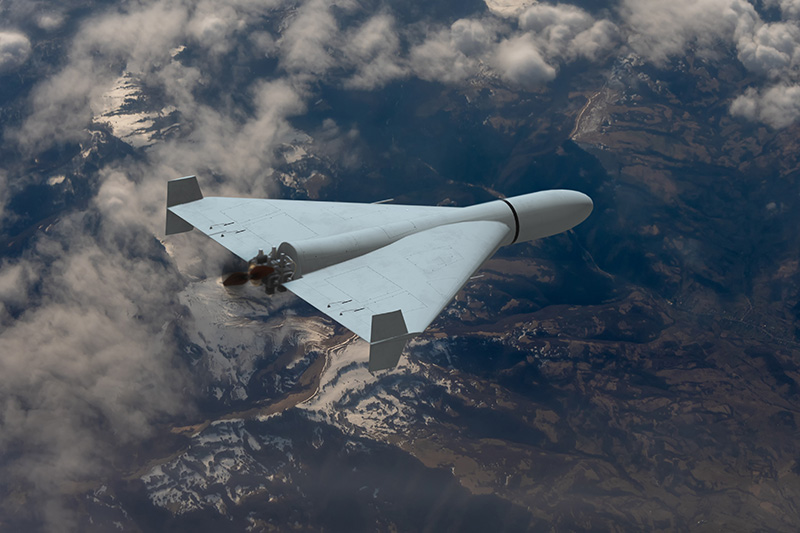
Small unmanned aerial systems (sUAS) have fundamentally changed the threat landscape across defense and critical infrastructure. Low-cost drones are now capable of surveillance, disruption, and coordinated attacks, often operating in environments where traditional defenses were never designed to respond.

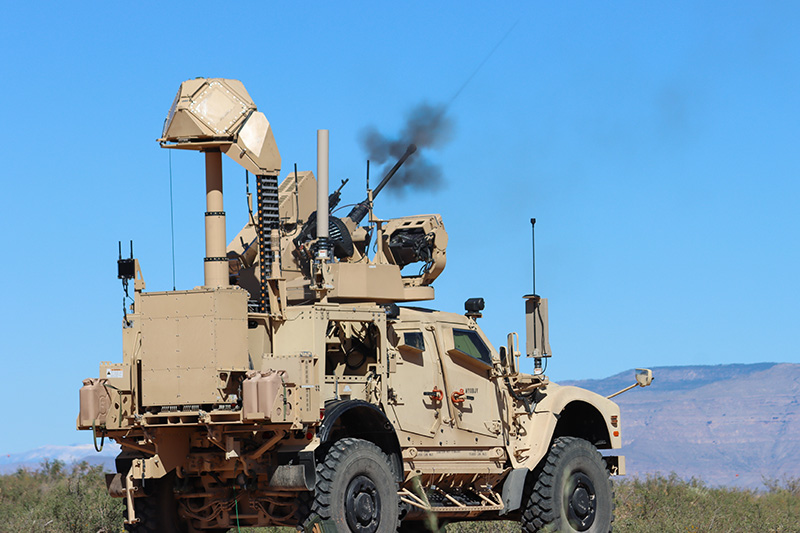
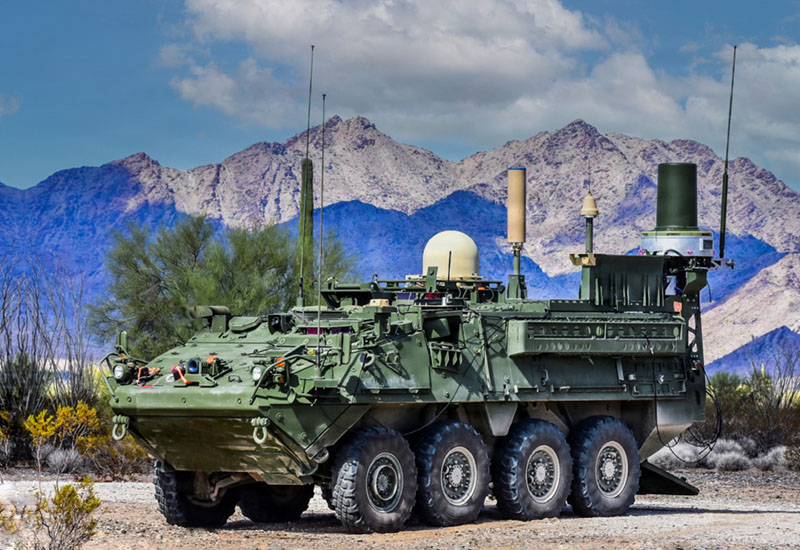
Counter-UAS (C-UAS) systems are evolving quickly to address this challenge. Detection, tracking, and mitigation technologies continue to advance—but system performance ultimately depends on something less visible: the reliability of the interconnect systems that enable those technologies to function as a cohesive unit.

The core takeaway: counter-drone systems fail at the interfaces first. Interconnect design determines whether the system works when it matters.

The Shift in Drone Threat Complexity

Modern drone threats are not defined by a single platform, but by adaptability and scale.

Key characteristics

  • Low-cost, widely available platforms enabling rapid deployment
  • Swarm capability that stresses detection and response systems
  • Autonomous navigation reducing reliance on RF control links
  • Multi-mission payloads including ISR, electronic disruption, and kinetic impact

This has forced a transition from static perimeter defense to dynamic, layered countermeasures that operate continuously and in real time.

UAS Systems

What Counter-UAS Systems Must Deliver

C-UAS platforms integrate multiple subsystems, each dependent on uninterrupted electrical and signal performance.

Core system layers

  • Detection: radar, RF sensing, EO/IR systems
  • Identification: signal classification and threat validation
  • Tracking: continuous positional awareness and trajectory prediction
  • Mitigation: jamming, spoofing, or physical neutralization

These subsystems must operate simultaneously, exchanging high-speed data and maintaining stable RF performance under changing conditions.

Why Interconnect Systems Define Reliability

Most system failures in field-deployed C-UAS platforms do not originate in the sensors or processors—they occur at connection points.

Common failure modes

  • EMI leakage across connector interfaces
  • RF signal degradation due to impedance mismatch
  • Moisture ingress at cable transitions
  • Connector disengagement under vibration
  • Insulation breakdown in high-temperature zones

These issues are compounded in mobile deployments, outdoor environments, and electromagnetically dense operating conditions.

Counter-UAS Platforms

Core Interconnect Requirements for Counter-UAS Platforms

RF Signal Integrity

Detection and mitigation rely on consistent RF performance.

Design requirements include:

  • Controlled impedance throughout cable assemblies
  • Continuous shielding across connectors and enclosures
  • Low insertion loss and minimal signal distortion

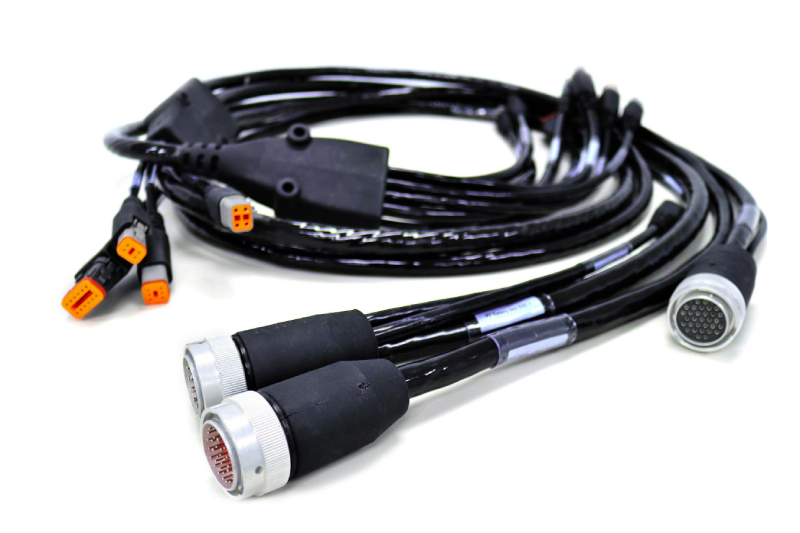
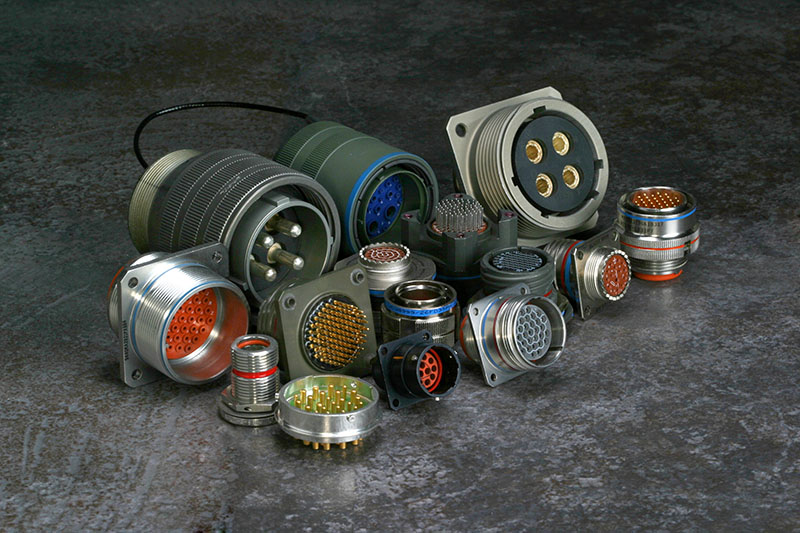
High-performance connectors from manufacturers like Amphenol—including MIL-DTL-38999 Series III platforms, VITA connectors, and WaSP microminiature connectors—are commonly used in defense-grade systems. Performance, however, depends on how these components are integrated into the overall assembly.

Environmental Sealing and Protection

C-UAS systems are frequently deployed in harsh, exposed environments.

Required protections include:

  • IP/NEMA-rated sealing against moisture and contaminants
  • Resistance to dust, chemicals, and corrosion
  • Long-term durability under temperature extremes

Solutions such as overmolded cable assemblies eliminate ingress points by sealing critical transitions between cable and connector.

Power and Signal Integration

Modern systems require simultaneous transmission of multiple electrical functions:

  • High-current power for mitigation systems
  • High-speed data for sensing and analytics
  • RF signals for detection and countermeasures

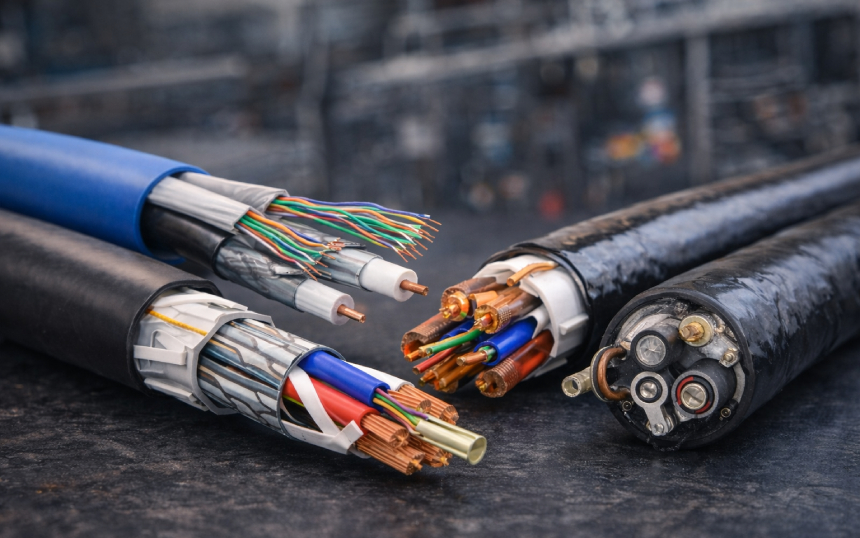
This drives the need for hybrid cable assemblies, which consolidate multiple pathways into a single engineered solution, reducing size, weight, and failure points.

Mechanical Reliability Under Dynamic Conditions

Many C-UAS systems are mounted on vehicles or designed for rapid deployment, introducing continuous vibration and mechanical stress.

Failure risks include:

  • Conductor fatigue at termination points
  • Connector loosening over time
  • Abrasion and insulation wear

Integrated strain relief and routing strategies are essential. Solutions like molded breakout and strain relief systems help prevent localized stress failures.

EMI Shielding and Grounding Continuity

C-UAS systems operate in contested electromagnetic environments where both detection and mitigation generate interference.

Design priorities include:

  • Continuous shielding across all interconnect interfaces
  • Proper grounding across cables, connectors, and enclosures
  • Suppression of internal and external EMI sources

Technologies such as EMI shielding and metal braiding are critical—but only when implemented as part of a complete system design.

The Integration Gap

Many system-level failures can be traced back to fragmented design approaches:

  • Connectors selected independently of cable architecture
  • Materials added after initial design to solve sealing or EMI issues
  • Multiple vendors introducing tolerance mismatches
  • Lack of validation at the system level

This creates hidden vulnerabilities—particularly at transition points between components.

Proven Components

Integrating Proven Components into System-Level Solutions

High-performance components from suppliers such as Amphenol are widely used in defense systems. These components are engineered to meet demanding specifications such as MIL-DTL-38999 and MIL-PRF-2950.

XACT integrates these components into complete interconnect systems by combining:

  • Connector platforms from proven manufacturers
  • Application-specific cable design and routing
  • Environmental sealing and strain relief
  • System-level validation across electrical, mechanical, and environmental conditions

This includes:

FAQ: Testing and Reliability at XACT EMS

Defense-grade systems often use MIL-DTL-38999 Series III connectors, VITA connectors for modular architectures, and WaSP microminiature connectors for space-constrained designs. These connector platforms are selected for their durability, environmental sealing, and consistent electrical performance in harsh operating conditions.

Counter-UAS platforms operate in dense electromagnetic environments where detection and jamming occur simultaneously. Without proper shielding and grounding continuity, interference can degrade signal integrity, reduce detection accuracy, and limit mitigation effectiveness.

MIL-DTL-38999 is a military specification for circular connectors designed for harsh environments. Series III connectors are commonly used in defense systems due to their high vibration resistance, secure coupling mechanisms, and ability to maintain performance in extreme conditions.

Fiber optic connectors, often specified under MIL-PRF-2950, are used in systems requiring high-speed data transmission and immunity to electromagnetic interference. While XACT does not manufacture fiber optic cables, these connectors are often integrated into broader system architectures alongside copper-based cable assemblies.

Hybrid cable assemblies combine power, signal, and RF transmission into a single integrated solution. This reduces system complexity, simplifies routing, and minimizes potential failure points.

Overmolding encapsulates the transition between cable and connector, providing environmental sealing, strain relief, and mechanical protection. This is critical in applications exposed to moisture, vibration, and temperature extremes.

System Reliability Starts at the Interface

Counter-UAS systems are only as effective as their weakest connection point.

As drone threats continue to evolve, performance requirements will increase—not just in detection capability, but in reliability under real-world conditions. Systems must operate continuously without failure at critical moments.

That requires interconnect systems engineered from the start as part of the overall design—not added after the fact.

Northern Ontario’s underground mines operate in some of the most punishing conditions in Canada.

Between Sudbury’s deep hard-rock operations, Timmins’ gold mining corridors, and expanding electrified fleets across Ontario, mining equipment must withstand:

  • Sub-zero surface conditions
  • Moisture, slurry, and dust underground
  • Continuous vibration and shock
  • High-current electrification loads
  • Frequent rebuild and overhaul cycles

In these environments, cable assemblies do not fail because of “bad cable.”

They fail at interfaces, transitions, and integration points.

For mining OEMs and operators across Northern Ontario, reliability comes from engineered interconnect systems—custom cable assemblies designed for harsh underground service, electrified platforms, and repeatable rebuild programs.

Why Northern Ontario’s Underground Mines Demand Higher Interconnect Reliability

Underground mining in Ontario presents a unique combination of environmental stressors:

1. Sub-Zero Temperature Exposure

Surface equipment staging areas in Sudbury and Timmins regularly experience winter temperatures below -30°C. Equipment parked overnight, transported between sites, or deployed seasonally faces repeated cold-soak conditions.

Cold temperatures affect:

  • Jacket flexibility
  • Strain relief transitions
  • Overmold materials
  • Seal compression
  • Connector engagement force

Improperly engineered assemblies can stiffen, crack, or lose sealing integrity during freeze/thaw cycles.

2. Electrification of Underground Fleets in Ontario

Battery-electric mining equipment is expanding rapidly across Northern Ontario. Underground BEV haul trucks, loaders, and drilling platforms introduce new interconnect demands:

  • High-current power distribution
  • Mixed power + signal harnessing
  • Thermal cycling at connection points
  • High-voltage routing constraints
  • Increased vibration due to torque characteristics

High-current cable assemblies must manage:

  • Conductor sizing for duty cycle
  • Termination workmanship
  • Heat dissipation at contact interfaces
  • Mechanical protection in confined routing paths

Custom-engineered harnesses are critical to supporting fleet electrification while maintaining uptime.

Learn more about our approach to engineered builds at: Custom Cable Assemblies

Common Harness Failure Modes in Ontario Mining Equipment

In Northern Ontario mining operations, interconnect failures are predictable. They typically occur in six areas.

1. Cold-Induced Brittleness at Transition Points

At -30°C and below, materials behave differently.

Failures often originate at:

  • Connector backshell exits
  • Strain relief interfaces
  • Overmold-to-jacket transitions
  • Branch breakouts in multi-leg harnesses

Engineering Countermeasures:

  • Low-temperature-rated insulation systems
  • Transition geometry designed for stress distribution
  • Targeted overmolding to reduce conductor flex concentration
  • Validation of materials for cold flex performance

Overmolding must be engineered for stress management—not just environmental sealing.

Explore our overmolded assemblies: Overmolded Cables

2. Freeze/Thaw Ingress Failures

Northern Ontario equipment frequently transitions between:

  • Cold outdoor air
  • Warmer underground environments
  • Washdown maintenance bays

This creates condensation cycles inside connectors and junction points.

Common causes:

  • Incomplete interface sealing
  • Improper grommet sizing
  • Poor backshell compression
  • Inconsistent assembly practices

Engineering Countermeasures:

  • Sealed and booted transitions
  • Controlled assembly torque processes
  • Environmental validation aligned with actual mining conditions

For harsh-environment solutions: Rugged and Harsh Environment Assembly Solutions

3. Abrasion and Mechanical Shock in Underground Routing

Underground mining equipment in Sudbury and Timmins operates in:

  • Tight tunnel geometries
  • Rock contact zones
  • High-vibration frames
  • Continuous motion environments

Abrasion damage typically occurs at:

  • Frame pass-through points
  • Clamp edges
  • Articulating joints
  • Battery compartment interfaces

Engineering Countermeasures:

  • Abrasion-resistant sleeving
  • Controlled routing architecture
  • Strain brackets and mechanical support
  • Repeatable harness layout documentation

Protective sleeving integration options: Tubing and Sleeving

4. High-Current Termination Overheating

Electrified fleets increase current density at:

  • Power connectors
  • Junction modules
  • Battery interface points

Improper crimping, insufficient conductor sizing, or poor contact selection can lead to:

  • Thermal buildup
  • Insulation degradation
  • Premature connector failure

Engineering Countermeasures:

  • Verified crimp tooling and pull testing
  • Conductor sizing aligned to real duty cycles
  • High-current-rated connector systems
  • Thermal-aware harness routing

5. Configuration Drift in Rebuild Programs

Mining fleets in Northern Ontario often operate for decades. Rebuild programs in Sudbury and Timmins require:

  • Harness replacement kits
  • Obsolescence management
  • Accurate documentation
  • Repeatable build quality

Common issues include:

  • Revision mismatch
  • Labeling inconsistencies
  • Substitution without traceability
  • Field-fit variations

Engineering Countermeasures:

  • Controlled documentation discipline
  • Revision-managed drawings
  • Serialized build tracking
  • Kitted harness solutions for depot deployment

XACT supports lifecycle programs through: Cable Repair & Recertification

Electrification Trends in Sudbury and Timmins

Mining operators across Northern Ontario are accelerating:

  • Underground battery-electric fleet deployments
  • Ventilation efficiency upgrades
  • Automation and remote monitoring systems
  • Smart sensor integration

These trends increase:

  • Signal density
  • EMI exposure
  • High-current integration complexity
  • Connector interface counts

Cable assemblies are no longer passive components.

They are active contributors to platform reliability.

In electrified equipment, a harness failure can immobilize an entire unit—impacting production and increasing downtime costs.

Designing Custom Cable Assemblies for Canadian Mining Conditions

Engineering for Northern Ontario requires accounting for:

  • -40°C surface exposure
  • Underground humidity
  • Abrasive particulate
  • Mechanical shock
  • Continuous duty cycles

Effective mining interconnect design integrates:

  • Strain management
  • Environmental sealing
  • High-current validation
  • Abrasion protection
  • Controlled documentation

The difference between commodity cabling and engineered assemblies is lifecycle thinking.

Custom cable assemblies designed for Canadian mining conditions support:

  • Extended service intervals
  • Reduced troubleshooting cycles
  • Faster rebuild turnaround
  • Improved mean time between failures (MTBF)

Partnering with Mining OEMs and Operators Across Ontario

Mining equipment OEMs, rebuild depots, and operators across Northern Ontario require partners who understand:

  • Platform qualification
  • Electrification complexity
  • Harsh underground routing constraints
  • Repeatable harness kit programs
  • Canadian environmental realities

Rugged cable assemblies are not simply selected—they are engineered around equipment geometry, duty cycle, and long-term sustainment strategy.

In Sudbury, Timmins, Thunder Bay, and across Ontario’s mining corridor, uptime depends on interconnect reliability.

Engineering for Uptime in Northern Ontario Mining

Sub-zero temperatures, vibration, moisture, and electrification loads are not edge cases in Northern Ontario—they are baseline conditions.

Cable assemblies designed without full-system consideration will eventually fail at their weakest interface.

Mining platforms reward disciplined engineering and lifecycle support.

They punish shortcuts.

When cold-weather performance, abrasion resistance, high-current integration, and documentation control are engineered into the harness architecture from the beginning, downtime decreases and fleet reliability improves.

Building or rebuilding underground mining equipment in Northern Ontario?

Talk to XACT’s engineering team about custom rugged cable assemblies, high-current harness systems, and repeatable rebuild kits designed for Canadian mining environments.

Modern military ground vehicles are no longer purely mechanical systems. Today’s wheeled combat vehicles, armored personnel carriers, tactical support trucks, and missionized shelters integrate mission computers, tactical radios, remote weapon stations, CANBUS/J1939 networks, power distribution units, high-speed data systems, and RF communications.

As vehicle digitization expands, so does the complexity of vetronics cable assemblies that connect these subsystems.

Explore Military-Grade Cable Assemblies:

In high-vibration, EMI-dense military environments, harness protection is not cosmetic — it is mission-critical. This article explains where military vehicle wire harnesses fail and how shielding, tubing, sleeving, and molded transitions are engineered into rugged cable assemblies to reduce intermittent faults and improve long-term sustainment outcomes.

Why Vetronics Cable Assemblies Fail in Military Ground Vehicles

Ground vehicle environments create predictable failure modes. Most issues trace back to routing mechanics, transition design, shielding integrity, and environmental exposure — not “bad cable.”

High Vibration and Shock Fatigue

Off-road military vehicles experience continuous vibration, torsional stress, and repeated shock loading. Failures often initiate at:

  • Connector exits and backshell transitions
  • Molded breakout points
  • Unsupported spans near suspension or turret structures

Without proper strain relief and overmolding — such as those used in overmolded cable assemblies — conductors and shield layers can fatigue over time, leading to intermittent faults that are extremely difficult to diagnose in the field.

Abrasion and Chafing in Armored Chassis

Routing through armored hulls, bulkheads, turret rings, and articulated joints introduces:

  • Metal edges
  • Clamp pressure points
  • Repetitive rubbing zones
  • Pinch hazards

Abrasion can damage outer jackets, braid shields, foil shields, and conductor insulation. Engineered tubing and sleeving systems play a critical role here. Protective solutions found under Tubing & Sleeving provide abrasion resistance and bundle stability in high-wear zones.

For shielding reinforcement, EMI and metal braiding solutions help protect signal integrity in vibration-heavy environments.

EMI and Signal Integrity Risk in Vetronics Systems

Modern vetronics architecture combines:
  • High-current power distribution
  • Shielded twisted pair networks
  • CANBUS / J1939 communication lines
  • Ethernet and high-speed data links
  • RF coax assemblies

Improper shielding or damaged braid/foil layers increase susceptibility to electromagnetic interference (EMI), potentially disrupting mission-critical systems.

Effective EMI control may incorporate:

  • Shielded harness constructions
  • Controlled impedance requirements
  • RF assemblies
  • Shielded and filtered connectors
  • Enclosure-level EMI sealing solutions

For broader EMI containment at the enclosure level, shielded gasket solutions and EMI foil tape solutions can support system-level shielding continuity.

The goal is not maximum shielding — it is correct shielding architecture, properly terminated and mechanically protected.

Environmental Exposure on External Harnesses

External harnesses on military ground vehicles are exposed to:

  • Fuel, oil, and hydraulic fluids
  • Dust and debris
  • Washdown conditions
  • UV radiation
  • Extreme temperature cycling

Material selection must align with real exposure profiles. Common protective solutions include:

Engineering Rugged Military Vehicle Wire Harnesses

A rugged military vehicle wire harness integrates mechanical protection, EMI control, and configuration discipline into a controlled build.

Tubing and Sleeving as Engineered Protection Systems

Protective sleeving supports:
  • Abrasion resistance
  • Cut-through protection
  • Bundle organization
  • Breakout reinforcement
  • Thermal and chemical protection

Material attributes commonly specified in defense programs include abrasion resistance, chemical resistance, high flex capability, UV resistance, flame retardance, and compliance-driven material constraints.

Tubing and sleeving are not standalone accessories — they function as part of a rugged harness system designed to survive long-term vibration and environmental stress.

Molded Breakouts and Transition Protection

High-stress areas require reinforcement. Molded breakout or splitter solutions are frequently used at:
  • Connector exits
  • T-type splits
  • Y-type splits
  • X-type branch transitions

These molded transitions improve strain relief, protect shield terminations, and reduce conductor fatigue under dynamic loading.

Hybrid Power + Signal Assemblies

Military ground vehicles increasingly use hybrid cable assemblies combining:

  • Power conductors
  • Control signals
  • Data networks
  • RF interfaces

Hybrid cable solutions reduce connection points and simplify routing, but they require disciplined segregation and shielding to prevent cross-coupling and signal degradation.

External vs. Internal Harness Protection

Harness External (Exposed Routing)

External harnesses typically require:

  • Abrasion-resistant sleeving
  • Environmental sealing
  • Chemical-resistant materials
  • Booted or heat-shrink transitions

These often align with rugged and harsh environment assembly solutions.

Harness Internal (Protected Electronics Bays)

Internal harnesses often prioritize:

  • Shield integrity
  • Signal integrity / impedance control
  • Clean breakout geometry
  • Configuration management and documentation
Engineering support through engineering design services can help align mechanical protection with electrical performance requirements.

Sustainment and Ground Vehicle Modernization

Military ground platforms remain in service for decades. That creates recurring demand for:
  • Replacement harnesses
  • Retrofit harness kits
  • Controlled rebuilds
  • Obsolescence-driven replacements
  • Repair and recertification
Cable repair and recertification services support sustainment programs where reliability and documentation accuracy are essential. Supply chain continuity through structured supply chain management also plays a key role in defense sustainment cycles.

Practical Takeaways for Vetronics Harness Protection

When evaluating rugged cable assemblies for military ground vehicles, focus on:
  • Where abrasion will occur and how it is mitigated
  • How transitions are strain-relieved and reinforced
  • How shielding is protected and terminated
  • How environmental exposure is addressed
  • How configuration control supports long-term sustainment
Ground vehicle modernization continues to increase electrical density, networking complexity, and EMI sensitivity. Harness protection — including tubing, sleeving, shielding, and molded transitions — directly impacts reliability, fleet readiness, and maintenance burden.

Rail platforms are designed for 30–40 years of service life.

Your cable assemblies are expected to survive every one of them.

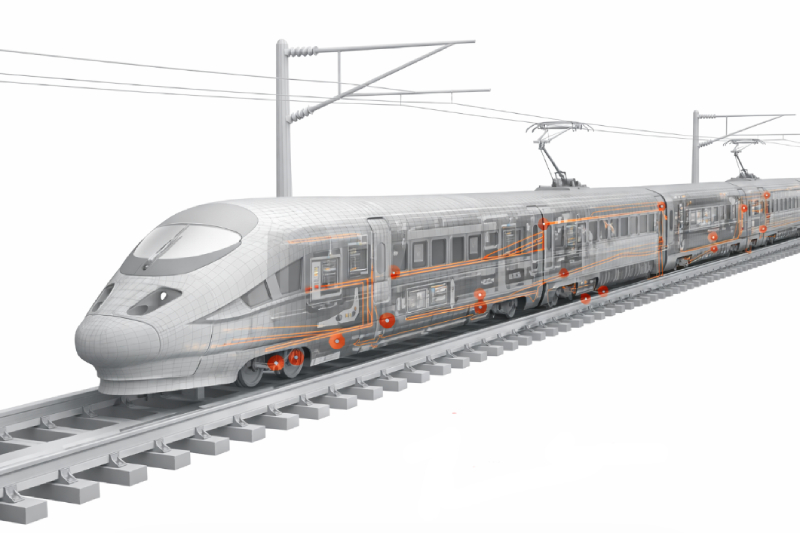
Between high-vibration undercarriage routing, washdown exposure, traction power EMI, thermal cycling, and repeated maintenance handling, rail interconnect systems operate in conditions far more severe than most industrial environments. Yet once qualified, they are often locked into a platform for decades.

When harness failures occur, they rarely fail in isolation. They trigger troubleshooting cycles, service disruptions, parts obsolescence challenges, and—in signaling applications—potential safety exposure. In rolling stock programs, redesigning or requalifying an interconnect after platform release can be significantly more disruptive and expensive than engineering it correctly upfront.

For rail OEMs, signaling integrators, and depot MRO teams, reliability is not about selecting a “tough cable.” It is about engineering a custom cable assembly system that accounts for vibration, ingress, EMI, routing constraints, serviceability, and long-term configuration control from day one.

The most common rail interconnect failures are predictable. And when addressed at the design stage, they can be engineered out before they ever reach the field.

The 6 Most Common Rail Cable Assembly Failure Modes — and How to Engineer Them Out

1. Vibration Fatigue at Connector Transitions

The Problem

Rail vehicles and wayside systems experience:

  • Continuous vibration
  • Shock loading
  • Micro-movement at clamp points
  • High-frequency harmonics from traction systems

Failure typically initiates at:

  • Connector backshell exits
  • Strain relief transitions
  • Harness branch points
  • Rigid-to-flex transitions

Intermittent faults are often the first symptom—making diagnosis costly and time-consuming.

Engineering Solutions

  • Purpose-built strain relief geometry
  • Targeted overmolding at high-stress transitions
  • Branch design optimized for real routing constraints
  • Controlled termination processes to ensure repeatability
  • Mechanical support strategy integrated into harness design

Overmolding is particularly effective when engineered for stress distribution rather than cosmetic sealing.

Learn more about engineered transition protection in our Overmolded Cable Assemblies solutions.

2. Moisture Ingress and Connector Corrosion

The Problem

Rail systems are exposed to:

  • Washdown procedures
  • Outdoor weather
  • Condensation cycles
  • Road debris and splash zones

Ingress failures often originate not at the connector face, but at:

  • Cable-to-connector interfaces
  • Inadequate backshell sealing
  • Improper grommet sizing
  • Inconsistent assembly torque or potting

Engineering Solutions

  • Sealing the entire interface system—not just the connector
  • Booted or overmolded transition zones
  • Environmental validation aligned with real deployment conditions
  • Defined assembly controls for repeatability

For harsh-environment rail builds, see: Rugged and Harsh Environment Assembly Solutions.

3. Abrasion in Undercarriage and Wayside Routing

The Problem

Abrasion damage rarely occurs randomly. It is usually traceable to:

  • Frame pass-through points
  • Clamp edges
  • Vibration-driven rubbing
  • Maintenance handling

Over time, jacket wear exposes shielding and conductors.

Engineering Solutions

  • Abrasion-resistant sleeving in known contact zones
  • Strain brackets and routing control strategies
  • Protective transitions at bulkheads
  • Serviceability-focused harness layout

Protective sleeving and tubing options can be integrated directly into build specifications.

4. EMI and Signal Integrity Failures in Train Control Systems

The Problem

PTC, CBTC, TCMS, and signaling systems operate in high-EMI environments due to:

  • Traction power systems
  • High-current switching
  • Nearby RF communication equipment

Improper shielding termination or inconsistent grounding strategies can result in:

  • Data corruption
  • False fault indications
  • Reduced system reliability

Engineering Solutions

  • Defined shield termination architecture
  • Controlled 360° shield bonding where required
  • Ground strategy aligned to system integrator specifications
  • Low-noise cable assemblies built for signal integrity

See our experience in signal-focused builds within the Communications & Telecom Sector

5. Thermal Degradation at High-Current Interfaces

The Problem

High-current traction and auxiliary power systems generate localized heat at:

  • Crimp interfaces
  • Terminal blocks
  • Connector contacts

Improper termination or underspecified conductors can accelerate insulation breakdown and reduce service life.

Engineering Solutions

  • Correct conductor sizing for duty cycle
  • Crimp validation and pull-test documentation
  • Thermal-aware routing inside enclosures
  • High-current rated connectors and assemblies

XACT supports high-current and mixed power/signal harness builds through our Custom Cable Assemblies program.

6. Documentation and Configuration Drift Over Long Service Life

The Problem

Rail platforms evolve over decades. Without disciplined configuration control:

  • Harness revisions drift
  • Replacement builds mismatch
  • Labeling inconsistencies create service errors
  • Obsolescence introduces undocumented substitutions

This is one of the most common causes of depot frustration.

Engineering Solutions

  • Controlled drawings and revision management
  • Traceable build documentation
  • Test records retained for lifecycle support
  • Kitting strategies for MRO programs

For lifecycle extension and rebuild programs, explore: Cable Repair & Recertification

Rail-Specific Compliance Considerations

Depending on application lane, rail interconnect programs may require:

  • EN 45545 fire/smoke compliance (rolling stock)
  • AAR standards (freight)
  • Documented EMI/EMC awareness
  • Ingress protection validation
  • Long-term traceability and configuration discipline

Engineering for compliance must begin at the design stage—not after platform qualification.

Designing for the Rail Lifecycle

Rail interconnect reliability is not about preventing “cable damage.”

It is about designing:

  • For 30–40 year service life
  • For depot-level serviceability
  • For configuration control across program revisions
  • For environmental realities—not lab assumptions

The difference between commodity cable supply and engineered rail harness systems is lifecycle thinking.

When vibration, EMI, moisture, and thermal loads are accounted for at the architecture stage, failure rates drop, troubleshooting cycles shorten, and MRO operations stabilize.

Rail platforms reward disciplined engineering.

They punish shortcuts.

Ready to engineer failure-resistant cable assemblies for your rail platform?

Talk to XACT’s engineering team about custom harness design, rugged overmolding, high-current builds, and long-term MRO support.

Wind turbines operate under constant mechanical stress. Inside the tower and nacelle, cable systems are exposed to vibration, torsional movement, temperature cycling, moisture, oils, and tight routing constraints. When interconnect systems fail, the result is downtime, costly mobilization, and extended troubleshooting cycles.

Reliable turbine performance starts with cable assemblies engineered specifically for motion, environmental exposure, and long-term serviceability.

Below are practical best practices for OEMs and service teams focused on improving reliability and reducing lifecycle cost.

Design for Motion: Vibration, Flexing & Rotation

Wind turbines are dynamic systems. Yaw rotation, pitch adjustments, and nacelle vibration all place continuous strain on cable assemblies.

Assemblies designed for static environments will fail prematurely in rotating systems.

Best practices:

  • Engineer for torsional stress in yaw loops
  • Maintain proper bend radius under continuous flex
  • Reinforce connector transitions with strain relief
  • Select jacket materials suited to UV, cold temperatures, and chemical exposure
  • Avoid compression damage from rigid mounting methods

XACT manufactures overmolded cable assemblies that reinforce connector transitions, improve environmental sealing, and extend service life in high-vibration applications.

Learn more about Overmolded Cable Assemblies

For extreme-duty applications:

Explore Rugged & Harsh Environment Cable Assemblies

Route Cables Strategically Around Turbine Components

Routing directly impacts durability. Poor routing increases abrasion, compression stress, and thermal exposure.

Standardizing routing design reduces variability between builds and simplifies field service.

Smart routing guidelines:

  • Avoid sharp edges and abrasion points
  • Use cushioned clamps without over-tightening
  • Maintain clearance from moving mechanical systems
  • Keep assemblies away from high-heat components
  • Design routing paths consistently across turbine platforms

For multi-branch harness distribution, molded breakouts provide organization and improved strain control.

View Molded Breakout & Splitter Solutions

Reduce Tower Time with Field-Ready Assemblies

Every hour inside a turbine increases operational cost. Serviceability must be considered during design, not after deployment.

Service-focused strategies:

  • Use pre-terminated harness assemblies
  • Standardize modular replacement kits
  • Minimize field termination requirements
  • Incorporate clear identification for fast troubleshooting
  • Design assemblies for glove-friendly handling

When refurbishing or extending the life of existing assemblies is more practical than replacement, XACT supports repair and recertification programs.

Cable Repair & Recertification Services

Protect Against Environmental Exposure

Wind installations encounter:

  • Extreme cold and heat cycling
  • Moisture and condensation
  • Salt exposure in coastal sites
  • Dust and particulate contamination
  • Oil and chemical exposure inside nacelles

Environmental sealing and mechanical protection are essential for maintaining signal integrity and power reliability.

Protective enhancements may include:

  • Environmental overmolding at transition points
  • Heat shrink tubing for insulation and strain relief
  • PTFE tubing for chemical and temperature resistance
  • Abrasion-resistant sleeving in high-contact zones

Heat Shrink Tubing Solutions

PTFE Tubing Solutions

Tubing & Sleeving Solutions

Maintain Signal Integrity in High-Power Environments

Wind turbines combine high-power systems with sensitive control and communication networks. EMI, contamination, and mechanical degradation can lead to intermittent faults and unexpected shutdowns.

Shielding, braiding, and reinforced terminations help preserve signal performance in electrically noisy environments.

EMI & Metal Braiding Solutions

Engineer for Lifecycle Reliability

Effective cable management extends beyond initial installation. Long-term performance depends on documentation control, manufacturing consistency, and supply chain stability.

XACT supports energy OEMs with:

  • Custom cable assemblies built to specification
  • Integrated electromechanical builds
  • Engineering design collaboration
  • Controlled manufacturing processes
  • Program-level supply chain support

Engineering Design Services

Energy Sector Solutions

Wind turbine uptime depends heavily on the integrity of its interconnect systems. Designing for motion, protecting against environmental hazards, standardizing routing, and simplifying field service significantly reduces failure risk.

Whether supporting new turbine platforms or upgrading existing fleets, engineered cable assemblies built for harsh wind environments deliver measurable improvements in reliability and service efficiency.

Electric fracturing (“e-frac”) reduces diesel equipment on location, but it increases the amount of electrical power and operational data moving through the spread. That combination raises the stakes for cables, connectors, and harnesses: more current, more heat, more EMI exposure, and more failure risk from abrasion, fluids, and repeated handling. The most reliable e-frac systems treat interconnects as engineered subsystems—defined by conductor sizing and termination quality, robust strain relief/overmolding, shielding and sealing strategy, and validation testing that reflects real frac duty cycles.

Why E-Frac Changes the Interconnect Problem

E-frac and modern frac automation shift the interconnect requirement from “durable cabling” to “power + controls + data infrastructure” that must perform under:

  • High continuous and transient current loads (including motor starts and dynamic load profiles)
  • Long cable runs with voltage drop constraints
  • Harsh EMI environments (VFDs, power electronics, switching transients, radio systems)
  • Abrasion, impact, and repeated handling during rig-up/rig-down
  • Fluid exposure (water, hydraulic fluids, fuels, chemicals) and wide thermal swings
  • Time-critical uptime requirements, where a single interconnect fault can halt a stage

The outcome is predictable: interconnects become a reliability limiter unless they’re designed and validated like any other mission-critical subsystem.

Architecture Overview: What “Connectivity” Looks Like on an E-Frac Spread

While spread architectures vary by OEM and operator preferences, most e-frac deployments concentrate interconnect risk into a few system types:

High-Power Distribution

  • High-current feeder cables and power distribution assemblies
  • Connectors and terminations exposed to dirt, moisture, and rough handling
  • Junction/transition points with recurring connect/disconnect cycles

Control + Instrumentation Harnessing

  • Harnesses for sensors, actuators, safety circuits, and interlocks
  • Cable routing near vibration sources and pinch points
  • Interfaces that must remain stable under movement and service events

Data Connectivity for Automation

  • Industrial Ethernet or fieldbus segments, sensor/telemetry cabling, and mixed-signal harnessing
  • Noise immunity requirements due to nearby high-energy switching
  • Connector reliability and shield termination consistency that directly impact signal integrity

Hybrid Interconnects (Power + Signal in One Assembly)

Hybrid assemblies are increasingly used to reduce routing complexity and speed rig-up, but they demand careful design to prevent coupling noise into signal conductors and to manage thermal and mechanical stress.

For mixed assemblies, see XACT’s Hybrid Cable Solutions page for typical construction patterns and application examples: hybrid cable solutions.

Common Failure Modes in Frac Interconnect Systems (and What Prevents Them)

Interconnect failures in frac environments tend to cluster into repeatable categories. The value is not “knowing they happen,” but designing out the root causes.

Quick Reference Table: Failure Modes vs Engineering Controls

Failure Mode Typical Root Cause Engineering Control Validation / Test Focus
Conductor strand break / open circuit Flexing at termination, poor strain relief, repeated handling Molded strain relief, controlled bend radius, proper conductor selection Flex / pull / strain-relief verification
Intermittent signal / comm drop Shield termination inconsistency, connector micro-motion, EMI coupling Proper shield bonding, braided shielding, connector retention, routing separation Continuity under vibration; EMI performance checks
Overheating at termination Undersized conductors, high contact resistance, poor termination process Correct conductor sizing, crimp/termination process control, contact selection Temperature rise checks; insulation resistance; hipot (as applicable)
Water/fluid ingress Inadequate sealing, damaged boots, wicking along conductors Overmolding, sealed connector interfaces, potting where needed Ingress testing; thermal cycling + exposure
Abrasion jacket failure Dragging, pinch points, cable-on-metal contact Protective sleeving/tubing, abrasion-resistant jacketing, routing hardware Abrasion evaluation; field handling simulation
Connector damage during service Mis-mating, side loading, poor protection during transport Keyed interfaces, protective caps, service-friendly mechanical design Repeated mate/de-mate; handling trials

For harsh-environment builds designed around these failure modes, see: rugged and harsh environment assembly solutions.

Engineering Considerations That Matter in E-Frac

1) High-Current Design: It’s Not Only Ampacity

E-frac power assemblies must withstand real-world thermal and mechanical conditions—not just meet a nominal current rating.

Key considerations:

  • Conductor selection and stranding optimized for flexing and handling
  • Contact resistance control through consistent termination processes
  • Thermal management at terminations (hot spots often occur at interfaces)
  • Voltage drop and long-run performance, especially where power distribution topology is modular

Where appropriate, assemblies should be validated with electrical tests that reflect duty cycles and thermal rise under expected loads (not only room-temperature bench checks).

2) Strain Relief + Overmolding: Designing for Handling, Not Just Operation

Frac locations are hard on interconnects during transport, rig-up/rig-down, and troubleshooting. Overmolding and molded strain relief can reduce the primary causes of field failures by:

  • Controlling bend radius at transitions
  • Stabilizing conductor terminations
  • Adding mechanical protection at high-stress points
  • Improving environmental sealing at interfaces

Relevant solution area: overmolded cable assemblies and molded breakout or splitter solutions.

3) EMI in Power-Electronics-Dense Environments

E-frac increases the density of switching electronics and high-current routing, which raises EMI exposure. That EMI can affect:

  • Sensor signal fidelity
  • Control system stability
  • Data communication robustness
  • Diagnostic accuracy (especially where predictive maintenance is deployed)

Engineering controls typically include:

  • Shield design appropriate to frequency content (braid coverage, drain strategy, bonding)
  • Separation of power and signal paths (and controlled crossing techniques)
  • Connector interface practices that preserve shield continuity
  • Grounding strategy alignment with the equipment’s architecture

Relevant solution area: EMI and metal braiding solutions.

4) Environmental Protection: Fluids, Abrasion, and Thermal Cycling

Frac interconnects are exposed to water, oil, hydraulic fluids, sand/dust, UV, and aggressive handling. Design choices that help:

  • Jacket materials and protective sleeving selected for abrasion and chemical exposure
  • Sealed transitions and end treatments that prevent wicking and ingress
  • Heat-shrink and boot systems designed for mechanical stability and sealing

Relevant solution areas: tubing & sleeving, heat shrink tubing solutions, and PTFE tubing solutions.

5) Documentation Discipline and Build Consistency

Automation and electrification programs tend to standardize. Standardization increases the value of:

  • Revision control and repeatable manufacturing
  • Test records and traceability expectations
  • Controlled workmanship practices for harness builds

A common workmanship reference used across many harness programs is IPC/WHMA-A-620 (acceptability of cable and wire harness assemblies). Whether or not a program specifies it explicitly, the underlying principle remains: consistent processes reduce variability that becomes downtime.

For quality and compliance context, refer to: certificates & accreditations.

Field Service Reality: Why Repair and Recertification Matter

Even well-designed frac interconnect systems face damage events: pinch points, vehicle passes, hurried rig-down, unexpected exposure, or legacy assemblies that no longer have OEM support.

A structured MRO approach typically includes:

  • Failure triage and root cause assessment
  • Rebuild-to-spec with controlled materials and termination processes
  • Verification testing (electrical + mechanical; environmental as needed)
  • Documentation to support ongoing fleet reliability programs

For lifecycle support programs, see: cable repair & recertification.

Practical Guidelines for Specifying E-Frac Interconnects

If you’re defining or revising interconnect requirements for an electrified/automated frac spread, these questions surface the real design constraints:

Electrical

  • What are continuous and transient current requirements by duty cycle?
  • What voltage drop constraints exist across typical run lengths?
  • What insulation resistance and hipot requirements apply (if any) for the system voltage class?

Mechanical / Handling

  • How many connect/disconnect cycles are expected per season?
  • Where are the known bend points, pinch points, and abrasion zones?
  • What pull/strain conditions occur during rig-up/rig-down?

Environmental

  • What fluids and chemicals will assemblies contact?
  • What temperature range and thermal cycling profile is expected?
  • What ingress protection level is required at interfaces?

Controls / Data

  • What noise immunity is required for control and sensor harnesses?
  • How is shield continuity managed across connectors and junctions?
  • What is the grounding strategy and how will it be enforced during assembly?

When the answers are unclear, engineering-first prototyping and validation is usually the fastest path to a stable spec.

For co-engineering support, see: engineering design services.

E-frac and intelligent automation increase the value—and the risk—of interconnect systems. Reliability improvements come from treating cables, connectors, and harnesses as engineered subsystems with defined mechanical, electrical, EMI, and environmental requirements.

The strongest frac interconnect programs are built around:

  • High-current design validated by real duty cycles
  • Robust strain relief and environmental sealing (often via overmolding)
  • EMI controls aligned to power-electronics realities
  • Protective sleeving/tubing matched to abrasion and chemical exposure
  • Documentation and repeatable build/testing practices
  • A repair/recert pathway that supports fleet uptime

As electronic systems become more compact, intelligent, and performance-driven, engineers face growing pressure to reduce wiring complexity without sacrificing reliability. Hybrid cable assemblies solve this challenge by combining multiple electrical functions—such as power, data, Ethernet, RF, and control signals—into a single, engineered cable.

XACT Engineered Manufacturing Solutions designs and manufactures custom hybrid cable assemblies that help OEMs simplify system architecture, improve durability, and reduce installation costs—especially in harsh and mission-critical environments.

What Is a Hybrid Cable Assembly?

A hybrid cable assembly integrates two or more transmission types into a single cable jacket. Instead of routing multiple individual cables, engineers deploy one consolidated solution that is purpose-built for their application.

At XACT, hybrid cable assemblies commonly combine:

  • Power conductors
  • Ethernet or data lines
  • RF / coaxial cables
  • Control and sensor wiring

Why Engineers Choose Hybrid Cable Assemblies

Hybrid cable assemblies are used when performance, space, and reliability matter.

Key Benefits

  • Reduced cable bulk and weight
  • Simplified routing and faster installation
  • Improved signal integrity and EMI control
  • Fewer connectors and failure points
  • Lower system-level cost over the product lifecycle

XACT Custom Hybrid Cable Assembly Solutions

XACT specializes in custom-engineered hybrid cable assemblies, designed to match exact electrical, mechanical, and environmental requirements.

Power and Data Hybrid Cable Assemblies

Combines: Power + control or data conductors

Best For: Industrial automation, robotics, machinery

Engineering Advantage:

Simplifies wiring while maintaining reliable power delivery and communication in motion-heavy environments.

Ethernet & Power over Ethernet (PoE) Hybrid Cable Assemblies

Combines: Ethernet data + PoE power

Best For: Industrial IoT, vision systems, sensors

Engineering Advantage:

Reduces infrastructure complexity while supporting networked devices in industrial and embedded systems.

RF (Coax) and Power Hybrid Cable Assemblies

Combines: Coaxial RF cables + power conductors

Best For: Aerospace, defense, instrumentation, communications

Engineering Advantage:

Supports simultaneous RF signal transmission and power delivery in EMI-sensitive environments.

Quadrax, Twinax & Coax Hybrid Cable Assemblies

Combines: High-speed differential data (Quadrax/Twinax) + RF coax

Best For: Aerospace platforms, military electronics, high-speed instrumentation

Engineering Advantage:

Meets mixed high-speed data and RF requirements in a single, ruggedized harness.

High-Flex Hybrid Cable Assemblies

Designed For: Continuous motion and repeated bending

Best For: Robotics, automation, motion control

Engineering Advantage:

Extends cable life and reduces downtime in dynamic applications.

Ruggedized Hybrid Cable Assemblies for Harsh Environments

Designed For: Heat, vibration, moisture, chemicals, EMI

Best For: Oil & gas, energy, transportation, marine, defense

Engineering Advantage:

Overmolded connectors, shielding, and jacket materials protect performance in extreme conditions.

Where Hybrid Cable Assemblies Are Most Commonly Used

Hybrid cable assemblies are widely adopted across industries that demand high reliability and engineering precision:

  • Industrial Automation & Robotics – Power + control + feedback signals
  • Aerospace & Defense – RF, power, and data in vibration-intensive environments
  • Instrumentation & Measurement – Low-noise signals with integrated power
  • Medical & Life Sciences (non-clean-room) – Compact, reliable cabling for diagnostics
  • Energy & Utilities – Monitoring and control systems in harsh outdoor conditions
  • Transportation & Mobility – Vibration-resistant harnesses for rail, EVs, and heavy vehicles

Key Engineering Considerations When Designing a Hybrid Cable Assembly

Designing a hybrid cable assembly requires system-level thinking.

Engineers should evaluate:

  • Voltage and current requirements
  • Data rates and signal integrity
  • Shielding and grounding strategy
  • Connector selection and mating cycles
  • Conductor materials and gauge
  • Flexibility and bend radius
  • Environmental exposure (temperature, moisture, chemicals)
  • EMC / EMI mitigation
  • Termination methods and strain relief
  • Compliance requirements (UL, CE, RoHS, MIL-STD where applicable)
  • Testing and quality control

XACT works with engineering teams early in the design phase to reduce risk and improve long-term reliability.

Why XACT Is a Trusted Hybrid Cable Assembly Manufacturer

XACT is not a catalog cable supplier—we are a custom engineering and manufacturing partner.

XACT Capabilities

  • Custom hybrid cable assemblies (power, data, Ethernet, RF, control)
  • Precision overmolding and strain relief
  • Shielded and ruggedized designs
  • RF and coaxial cable assembly expertise
  • Full documentation, testing, and traceability

Our hybrid cable assemblies are built for mission-critical systems where failure is not an option.

Compare Hybrid Cable Assembly Options

Not sure which hybrid configuration is right for your application?

We can create a custom comparison chart based on:

  • Voltage and current
  • Data and RF requirements
  • Environmental conditions
  • Flex and motion demands

Ready to Simplify Your Connectivity?

If your system requires power, data, and RF in a compact, rugged form factor, a custom hybrid cable assembly can dramatically improve performance and reliability.

Talk to an XACT Engineer

Request a Design Review

Get a Quote for a Custom Hybrid Cable Assembly

How Rugged Cable Assemblies Support the Future of Autonomous & Optionally Piloted Aircraft

Autonomous and optionally piloted aircraft are rapidly reshaping modern aviation. As next-generation rotorcraft and fixed-wing platforms integrate more sensors, processors, and onboard intelligence, the need for high-reliability interconnects has never been higher.

Across the aerospace sector, programs involving advanced autonomy—such as the widely covered demonstrations of autonomous Black Hawk and rotorcraft logistics missions—highlight a simple reality:

Even the most sophisticated autonomy software depends on rugged, stable, interference-free signal pathways.
This is where XACT EMS supports aerospace engineers, integrators, and system designers.

Why Autonomy Requires Rugged Interconnects

Autonomous flight technologies, whether fully uncrewed or pilot-optional, place extreme demands on the wiring and interconnects that support onboard electronics:

  • High vibration environments inside rotorcraft fuselages
  • EMI-rich conditions from sensors, radios, and computing hardware
  • Rapid signal switching and high-speed data pathways
  • Environmental exposure during resupply missions, landing scenarios, or sling operations
  • Dynamic strain on harnesses and connectors

The performance of autonomy hardware depends heavily on the durability and stability of the interconnect layer that ties everything together.

XACT’s cable assemblies are engineered with exactly these conditions in mind.

Rugged Cable Assemblies for Aerospace Autonomy Programs

XACT provides aerospace-grade interconnect solutions designed for harsh environments and mission-critical avionics:

Shielded Cable Assemblies

For navigation systems, mission computers, and flight-control electronics that must operate in EMI-dense environments.

Overmolded Connectors

Providing sealed strain relief, vibration resistance, and mechanical protection for connectors exposed to movement or impact.

MIL-Spec Harnessing

Supporting defense-grade platforms that require reliability through shock, vibration, and extreme temperature cycles.

High-Flex and Vibration-Tolerant Cables

Ideal for rotorcraft, powered flight surfaces, articulated systems, and autonomous payload deployment equipment.

Environmental Sealing

Protecting interconnects from dust, debris, moisture, and landing-zone contaminants.
These solutions are used across a range of aerospace applications—from avionics modules to mission systems to unmanned airframes.

Applications Relevant to Emerging Autonomy Platforms

The environments seen in autonomous rotorcraft demonstrations closely mirror the conditions XACT solutions are built for:
  • Flight-control computers
  • Navigation systems
  • LIDAR, radar, and sensor integration
  • Mission-system wiring
  • Power distribution
  • External payloads and sling-load systems
  • Cockpit and ground-control interfaces
Whether piloted or uncrewed, modern aircraft depend on stable, ruggedized interconnects to operate safely. .

Partnering with Matrix Technology Ltd. for Materials Support

While XACT specializes in rugged interconnects, autonomy platforms also require EMI shielding, thermal management materials, and conductive components to protect sensitive electronics.

Matrix Technology Ltd. provides:

Together, the two companies support aerospace electronics from both sides:

materials + interconnects.

Learn more about Matrix’s materials for aerospace avionics →

Bring Your Aerospace Project to XACT

Whether you’re designing next-generation avionics, integrating autonomy hardware, or modernizing a rotorcraft platform, XACT EMS provides the rugged cable assemblies and interconnect solutions required for mission success.

Contact XACT EMS for aerospace cable assembly support

From the Outside, It Looks Like an Aquarium. But It’s Actually How We Prove Cables Are Built to Survive.

If you walk through XACT’s Calgary facility, you might spot a clear acrylic tank sitting on a stainless-aluminum frame. At first glance, it looks suspiciously like an aquarium — but there are no goldfish here. This is our vacuum submersion leak testing system, one of the most critical steps in verifying the reliability of our rugged cable assemblies and overmolded connectors.

It’s not there for show. It’s where our cables go to prove they can handle anything.

What Is Vacuum Submersion Leak Testing?

Vacuum submersion testing simulates extreme real-world environments — rain, submersion, pressure changes, and temperature variation — to verify that sealed cables and connectors remain completely watertight.
Here’s how it works:

  • The cable assembly is submerged in a controlled water tank.
  • A vacuum pump removes air from the chamber, reducing pressure inside.
  • Any trapped air within the assembly escapes as visible bubbles — exposing even the smallest sealing defect.
  • This test is typically performed in accordance with MIL-STD-810 (Method 512) and IEC 60529 (IP67/IP68) requirements.

It’s one of the most effective ways to confirm that cables stay sealed under pressure — literally.

Why It Matters for Rugged Cable Assemblies

Environmental sealing isn’t optional in high-reliability industries. It’s what keeps mission-critical systems operational under real-world stress.
At XACT, vacuum submersion leak testing ensures:

  • IP68-level protection against water and dust ingress
  • Verification of overmold integrity on connectors and junctions
  • Quality assurance for cables used in defense, energy, and industrial applications
  • Consistency across facilities, since both Calgary, Alberta and Houston, Texas maintain identical testing capability

If it survives this tank, it’s ready for the field — whether that means the North Sea, the Texas heat, or a military vehicle wiring bay.

Behind the Tank

Our submersion test rigs are purpose-built for precision and repeatability:

  • Acrylic vacuum chamber with stainless-steel hardware
  • Digital vacuum gauges for real-time pressure monitoring
  • Custom fixtures to secure assemblies during testing
  • Integrated vacuum pump capable of controlled pressure cycling

This system allows us to simulate real environmental stressors — proving every XACT cable assembly can withstand them.

More Than a Test. It’s a Mindset.

Vacuum submersion testing is just one example of XACT’s “Tested to Prove It” philosophy.
We don’t just build to spec — we test until we’re confident the assembly will perform long after installation.
That’s why the tank sits where everyone can see it. It’s a constant reminder: quality isn’t assumed — it’s verified.

No Goldfish. Just Airtight Engineering.

From design to testing, XACT’s rugged cable assemblies are built to withstand — and tested to prove it.
Want to see how our assemblies perform under pressure?
Contact our engineering team to discuss your project’s test requirements.

FAQ: Testing and Reliability at XACT EMS

XACT EMS offers a comprehensive range of electrical, mechanical, environmental, and shielding tests — both in-house and through trusted lab partners. These include continuity, insulation resistance, dielectric withstand (Hi-Pot), signal integrity, RF performance & VSWR, strain relief and pull testing, flex and bend testing, shock and vibration simulation, salt fog/corrosion resistance, temperature and humidity chamber testing, shielding effectiveness, overmold adhesion validation, hermetic seal testing, visual inspection, and custom test jig design. Each test validates critical performance factors such as electrical integrity, sealing, durability, and EMI protection.

XACT EMS validates its rugged cable assemblies to meet or exceed IP68, MIL-STD-810, and a wide range of industry-specific and customer-defined standards.

Examples of standards we’ve built to in the past include:
  • Military & Defense: MIL-SPEC, QPL, RoHS
  • Energy / Oil & Gas: ATEX, NEMA, NEK 606
  • Marine & Offshore: ABS, DNV, Lloyd’s Register
  • Industrial / Power: IEEE, ICEA, UL 44
  • Telecom: Telcordia GR-Series, TIA
  • Transportation: AREMA, NFPA, ASTM, LSZH specifications
These references represent only a portion of the specifications XACT EMS supports. We routinely tailor testing and qualification to meet customer-specific or program-specific requirements across multiple sectors.

Through our vacuum submersion leak testing and hermetic seal validation processes, XACT EMS identifies even the smallest air leaks or water ingress. Combined with overmold adhesion validation, this ensures each cable assembly maintains its watertight and mechanically bonded seal over long-term use.

XACT EMS uses temperature and humidity chamber testing, salt fog/corrosion resistance testing, and mechanical stress simulations to assess performance in harsh conditions. These tests ensure that assemblies can operate reliably in environments involving temperature extremes, moisture, or corrosive exposure.
 

XACT EMS performs shielding effectiveness testing and RF performance/VSWR testing to evaluate how well assemblies prevent signal interference and maintain stable transmission characteristics in demanding electromagnetic environments.

Yes. XACT EMS regularly develops custom test jigs and fixtures to replicate specific customer use cases or connector geometries. This allows us to perform accurate, repeatable QA on specialized or unique assembly configurations.

Yes. Formal test reports, protocols, and qualification documentation are available upon request. XACT EMS also works closely with customers to tailor test procedures to program-specific or regulatory requirements.
 
XACT EMS maintains full testing capability at both its Calgary, Alberta and Houston, Texas facilities — ensuring consistent validation standards across all production sites.