Product Description

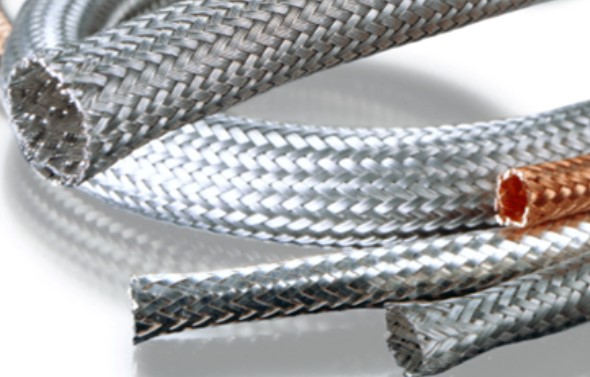
XACT EMS EMI tubing and metal braiding products are engineered to provide exceptional electromagnetic interference (EMI) shielding and grounding solutions. With materials like conductive textiles and wire mesh, engineers can ensure the integrity of sensitive electronics in industries such as aerospace, telecommunications, and medical devices. These products offer superior attenuation of EMI and radiofrequency interference (RFI), safeguarding critical components and ensuring reliable performance in demanding electromagnetic environments.

Value Added

XACT EMS delivers unparalleled value to engineering teams by offering in-house converting and fabricating capabilities for EMI tubing and braiding solutions. This ensures precise customization to meet exact specifications, such as diameter, length, and material composition, while maintaining high-quality standards. The result is tailored EMI shielding solutions that enhance electromagnetic compatibility and reliability in critical applications, ultimately reducing project lead times and costs.

Frequently Asked Questions

If you have a question that is not addressed in our FAQ please click 'Contact XACT EMS' at the top of the page and submit. We will answer directly and add it to our FAQ to benefit the entire engineering community.

Your vision! Our expertise! Collaborating with engineering teams is what we do best! We listens to your priorities, and create a customized solution tailored to your specific requirements.

1. Copper Braid:

  • Description: Braided copper wire for EMI shielding.
  • Primary Benefit for Engineers: High electrical conductivity for effective EMI/RFI shielding.

2. Aluminum Braid:

  • Description: Braided aluminum wire for lightweight EMI shielding.
  • Primary Benefit for Engineers: Lightweight and durable shielding option for aerospace and lightweight applications.

3. Tin-Plated Copper Braid:

  • Description: Copper wire braid with tin plating for enhanced corrosion resistance.
  • Primary Benefit for Engineers: Corrosion resistance while maintaining excellent electrical conductivity.

4. Silver-Plated Copper Braid:

  • Description: Copper wire braid with silver plating for superior conductivity.
  • Primary Benefit for Engineers: Exceptional electrical conductivity and EMI shielding effectiveness.

5. Stainless Steel Braid:

  • Description: Stainless steel wire braid for robust EMI shielding.
  • Primary Benefit for Engineers: High mechanical strength and durability in harsh environments.

6. Nickel-Plated Copper Braid:

  • Description: Copper wire braid with nickel plating for corrosion resistance.
  • Primary Benefit for Engineers: Combines EMI shielding with resistance to environmental degradation.

7. Kevlar®-Reinforced Braid:

  • Description: Copper or aluminum braid with Kevlar® reinforcement for added strength.
  • Primary Benefit for Engineers: Enhanced tensile strength for demanding applications.

8. Copper Mesh Tubing:

  • Description: Expandable copper mesh tubing for EMI/RFI shielding.
  • Primary Benefit for Engineers: Flexible and lightweight EMI shielding solution.

9. Nickel-Plated Aluminum Braid:

  • Description: Aluminum wire braid with nickel plating for a balance of weight and conductivity.
  • Primary Benefit for Engineers: Lightweight shielding with improved corrosion resistance.

10. Specialty Conductive Textiles:

  • Description: Textile-based materials with conductive coatings.
  • Primary Benefit for Engineers: Flexibility and lightweight EMI shielding, suitable for wearables and flexible electronics.

11. Flat Braids:

  • Description: Wide, flat braided conductors for broad coverage.
  • Primary Benefit for Engineers: Excellent coverage and EMI/RFI shielding over large surface areas.

12. High-Temperature Braiding:

  • Description: Metal braids designed for extreme temperature applications.
  • Primary Benefit for Engineers: Maintains shielding integrity at high temperatures.

13. EMI Tubing with Conductive Core:

  • Description: Tubing with a conductive core for combined shielding and fluid transfer.
  • Primary Benefit for Engineers: Efficient EMI shielding in applications requiring fluid conduction.

1. Frequency Range: Determine the frequency range of the EMI to be shielded, as different materials and designs are effective at different frequencies.

2. Conductivity: Choose a braiding or tubing material with appropriate conductivity to ensure efficient EMI/RFI attenuation.

3. Material Selection: Consider material options (e.g., copper, aluminum, stainless steel) based on their electrical conductivity, weight, and corrosion resistance.

4. Coverage and Density: Assess the required coverage and braiding density to achieve the desired shielding effectiveness.

5. Flexibility and Bend Radius: Evaluate the flexibility and minimum bend radius of the solution to ensure it can be routed and installed effectively.

6. Tensile Strength: Determine the mechanical strength required to withstand mechanical stresses and handling.

7. Temperature Range: Verify that the chosen material can operate within the expected temperature range of the application.

8. Corrosion Resistance: Consider the environment’s corrosive potential and select materials with appropriate resistance.

9. Weight Constraints: Account for weight restrictions in applications where weight is critical, such as aerospace or automotive.

10. Environmental Conditions: Address exposure to environmental factors, including moisture, chemicals, and UV radiation.

11. EMI/RFI Shielding Effectiveness: Ensure that the chosen braiding or tubing provides the required level of EMI/RFI shielding.

12. Compatibility with Connectors: Ensure compatibility with connectors, fittings, and terminations used in the application.

13. Installation Ease: Consider ease of installation and compatibility with existing systems.

14. Cost Considerations: Balance performance requirements with budget constraints to select a cost-effective solution.

15. Compliance with Standards: Verify that the chosen material and design comply with relevant EMI shielding standards and regulations.

16. Customization: Evaluate the need for custom designs or modifications to meet specific application requirements.

17. Tubing Size: Determine the inner and outer diameter of the tubing to accommodate cables or components.

18. Maintainability: Assess ease of maintenance and repair if the tubing or braiding needs replacement or adjustment.

1. Aerospace and Defense:

  • Problem: Electromagnetic interference can disrupt communication and navigation systems on aircraft and military vehicles.
  • Solution: EMI metal braiding or tubing provides effective shielding to protect sensitive electronics and ensure reliable communication and navigation.
  • Industry/Application: Aerospace, military vehicles, avionics.

2. Telecommunications:

  • Problem: EMI can degrade signal quality in telecommunications equipment and interfere with data transmission.
  • Solution: EMI shielding solutions ensure signal integrity and minimize interference in telecommunications infrastructure.
  • Industry/Application: Cellular base stations, data centers, fiber optics.

3. Medical Devices:

  • Problem: EMI can interfere with the proper functioning of medical equipment and compromise patient safety.
  • Solution: EMI shielding in medical cables and devices ensures reliable performance and regulatory compliance.
  • Industry/Application: MRI machines, defibrillators, patient monitoring.

4. Electronics and PCBs:

  • Problem: EMI can disrupt sensitive electronic circuits and components, leading to data corruption or malfunction.
  • Solution: EMI metal braiding or tubing protects electronic assemblies from interference, ensuring device reliability.
  • Industry/Application: Printed circuit boards (PCBs), consumer electronics, industrial controls.

5. Automotive:

  • Problem: Automotive electronics are susceptible to EMI, which can affect safety-critical systems.
  • Solution: EMI shielding solutions safeguard vehicle electronics from interference, ensuring safety and performance.
  • Industry/Application: Automotive electronics, engine control units (ECUs), infotainment systems.

6. Industrial Equipment:

  • Problem: EMI can disrupt control systems and sensors in industrial machinery, leading to production issues.
  • Solution: EMI shielding safeguards critical components in industrial equipment, minimizing downtime.
  • Industry/Application: Manufacturing automation, robotics, process control.

7. Consumer Electronics:

  • Problem: EMI can affect the performance of consumer devices, such as smartphones and tablets.
  • Solution: EMI shielding in consumer electronics ensures optimal device operation and compliance with regulatory standards.
  • Industry/Application: Smartphones, tablets, laptops.

8. Oil and Gas:

  • Problem: EMI can interfere with control and monitoring systems in oil and gas facilities.
  • Solution: EMI shielding protects electronic equipment in harsh environments, ensuring safety and operational efficiency.
  • Industry/Application: Oil rigs, pipeline monitoring, refinery controls.

9. Rail Transportation:

  • Problem: EMI can disrupt signaling and control systems in rail transportation, posing safety risks.
  • Solution: EMI shielding solutions enhance the reliability of rail systems and passenger safety.
  • Industry/Application: Railway signaling, train control systems.

10. Renewable Energy:

  • Problem: EMI can affect the performance of renewable energy generation and storage systems.
  • Solution: EMI shielding safeguards electronic components in renewable energy infrastructure, optimizing energy production.
  • Industry/Application: Solar inverters, wind turbines, battery storage.

COMPARE

Compare Options

Click below to get a customized comparison chart tailored to your application.

1

2

3

1

2

3

Consideration Copper Braid Aluminum Braid Stainless Steel Braid
Conductivity Very Good Good Very Good
Weight Efficiency Good Very Good Very Good
Corrosion Resistance Good Very Good Very Good
Flexibility Moderate Very Good Moderate
EMI Shielding Effectiveness Very Good Good Very Good
Temperature Resistance Very Good Very Good Very Good
Tensile Strength Very Good Good Very Good
Cost-Efficiency Moderate Good Moderate
Weight Constraints Moderate Very Good Moderate
Environmental Resistance Good Very Good Good

Product Description

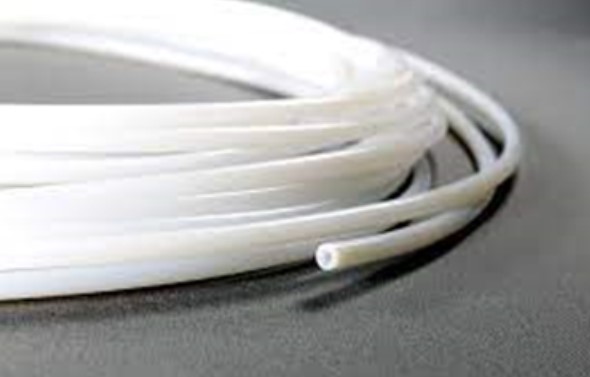
XACT EMS tubing solutions offer engineers unparalleled performance in demanding applications. These tubes, known for their exceptional chemical resistance, electrical insulation, and high-temperature stability, find extensive use in industries such as aerospace, heavy machinery, and electronics. Available in various sizes and configurations, XACT EMS PTFE tubing ensures reliable protection and insulation for critical components, meeting stringent industry standards and ensuring long-term durability and performance in challenging environments.

Value Added

XACT EMS excels in delivering tailored PTFE tubing solutions through in-house fabrication and converting techniques. With precise customization, engineers benefit from tubing designed to exact application specifications. XACT EMS’s expertise ensures optimal performance in extreme conditions, thanks to PTFE’s exceptional chemical resistance and insulation properties. This customized approach reduces downtime and maintenance, offering engineering teams reliable and efficient solutions in critical applications.

Frequently Asked Questions

If you have a question that is not addressed in our FAQ please click 'Contact XACT EMS' at the top of the page and submit. We will answer directly and add it to our FAQ to benefit the entire engineering community.

Your vision! Our expertise! Collaborating with engineering teams is what we do best! We listens to your priorities, and create a customized solution tailored to your specific requirements.

1. Virgin PTFE:

  • Description: Pure PTFE with exceptional chemical resistance.
  • Primary Benefit for Engineers: Ideal for critical applications requiring high chemical and temperature resistance.

2. Expanded PTFE (ePTFE):

  • Description: Micro-structure PTFE with high flexibility and chemical resistance.
  • Primary Benefit for Engineers: Suitable for gaskets and seals, providing superior compressibility and sealing performance.

3. Filled PTFE (e.g., Glass, Carbon, Bronze):

  • Description: PTFE blended with fillers to enhance specific properties.
  • Primary Benefit for Engineers: Offers improved wear resistance, thermal conductivity, or electrical conductivity, depending on the filler type.

4. High-Density PTFE:

  • Description: PTFE with a denser molecular structure.
  • Primary Benefit for Engineers: Enhances mechanical strength, reducing creep and improving dimensional stability.

5. Low-Friction PTFE:

  • Description: PTFE with specialized additives for reduced friction.
  • Primary Benefit for Engineers: Suitable for bearings and sliding applications, minimizing friction and wear.

6. Conductive PTFE:

  • Description: PTFE with conductive additives.
  • Primary Benefit for Engineers: Provides electrical conductivity for static dissipation or EMI shielding applications.

7. Modified PTFE (MPTFE):

  • Description: PTFE with modified properties for specific applications.
  • Primary Benefit for Engineers: Tailored for enhanced wear resistance, low friction, or improved sealing performance.

8. Specialty PTFE Compounds (e.g., Chemically Inert):

  • Description: Customized PTFE formulations for unique requirements.
  • Primary Benefit for Engineers: Addresses specific challenges, such as extreme chemical resistance or high-purity demands in critical industries.

9. Colored PTFE:

  • Description: PTFE available in various colors.
  • Primary Benefit for Engineers: Simplifies identification and differentiation in applications involving multiple components.

10. Thin PTFE Films and Tapes:

  • Description: Ultra-thin PTFE sheets or tapes.
  • Primary Benefit for Engineers: Offers precise insulation and release properties, suitable for electrical and non-stick applications.

11. Medical-Grade PTFE:

  • Description: PTFE materials meeting stringent medical standards.
  • Primary Benefit for Engineers: Ensures biocompatibility and high-performance in medical and pharmaceutical applications.

12. High-Temperature PTFE (HT PTFE):

  • Description: PTFE designed for extreme temperature resistance.
  • Primary Benefit for Engineers: Maintains properties and performance at elevated temperatures, crucial in aerospace and industrial settings.

1. Material Selection: Choose the appropriate type of PTFE material (e.g., virgin, filled, expanded) based on the application’s chemical resistance, temperature range, and mechanical properties.

2. Size and Dimensions: Determine the tubing’s inner and outer diameter, length, and wall thickness to fit the intended components and flow requirements.

3. Temperature Range: Verify that the PTFE tubing can withstand the highest and lowest temperatures expected in the application without deformation or loss of properties.

4. Chemical Compatibility: Ensure the tubing is compatible with the chemicals, solvents, or substances it will come into contact with, considering potential reactions or degradation.

5. Pressure Rating: Evaluate the tubing’s burst pressure and working pressure capabilities to meet the application’s pressure requirements.

6. Flexibility and Bend Radius: Consider the tubing’s flexibility and minimum bend radius to ensure it can be routed and installed effectively.

7. Surface Finish: Determine whether a smooth or corrugated surface is needed to optimize fluid flow or provide additional strength.

8. Electrical Insulation: Assess the tubing’s dielectric properties and electrical insulation capabilities, particularly in applications with electrical components or wiring.

9. Biocompatibility (for Medical Applications): Ensure compliance with medical standards and regulations if the tubing will be used in medical or pharmaceutical applications.

10. Sterility (for Medical Applications): Address sterilization requirements and compatibility with autoclaving or other sterilization methods.

11. Flame Resistance: Consider whether flame-retardant properties are necessary in applications with fire safety concerns.

12. Tubing Fittings and Connectors: Select compatible fittings and connectors for secure and leak-free connections.

13. Regulatory Compliance: Ensure that the tubing complies with industry-specific regulations and standards, such as FDA, ASTM, or UL, when applicable.

14. Environmental Conditions: Account for exposure to environmental factors, such as UV radiation, humidity, and outdoor conditions, and choose PTFE formulations with suitable resistance.

15. Fluid Compatibility: Confirm that the tubing is compatible with the type of fluid or gas it will convey, considering potential swelling, degradation, or permeation.

16. Abrasion and Wear Resistance: Evaluate the tubing’s resistance to abrasion and mechanical wear in applications with high movement or contact with abrasive materials.

17. Special Requirements: Address any unique or specialized requirements for the application, such as EMI shielding, low friction, or specific certifications.

18. Cost Considerations: Balance performance requirements with budget constraints to choose a cost-effective PTFE tubing solution.

1. Chemical Processing:

  • Problem: Chemical resistance and purity.
  • Solution: PTFE’s exceptional chemical inertness and purity make it suitable for conveying corrosive chemicals and maintaining product purity.
  • Industry/Application: Chemical manufacturing, petrochemicals, pharmaceuticals.

2. High-Purity Fluid Transfer:

  • Problem: Contamination control.
  • Solution: PTFE’s non-reactive and non-contaminating properties ensure the purity of transported fluids.
  • Industry/Application: Semiconductor manufacturing, biotechnology.

3. Laboratory and Analytical Instruments:

  • Problem: Precise fluid handling and compatibility.
  • Solution: PTFE tubing ensures accurate and contamination-free fluid transfer in analytical and laboratory equipment.
  • Industry/Application: Chromatography, spectroscopy, liquid handling.

4. Medical and Healthcare:

  • Problem: Biocompatibility and sterilizability.
  • Solution: PTFE tubing meets biocompatibility standards and can be sterilized for medical device applications.
  • Industry/Application: Catheters, medical implants, pharmaceuticals.

5. Aerospace and Aviation:

  • Problem: High-temperature resistance and lightweight.
  • Solution: PTFE tubing’s ability to withstand extreme temperatures makes it suitable for hydraulic and fuel lines.
  • Industry/Application: Aircraft and spacecraft, hydraulic systems.

6. Electronics and Semiconductor:

  • Problem: High-purity fluid handling and chemical resistance.
  • Solution: PTFE tubing ensures pure and uncontaminated fluid transfer in semiconductor manufacturing.
  • Industry/Application: Wafer processing, chemical delivery systems.

7. Food and Beverage Processing:

  • Problem: Food-grade and hygienic conveyance.
  • Solution: PTFE tubing with FDA compliance ensures the safe and sanitary transfer of food and beverages.
  • Industry/Application: Beverage production, dairy processing.

8. Oil and Gas:

  • Problem: Chemical resistance and high-temperature performance.
  • Solution: PTFE tubing handles harsh chemicals and high temperatures in oil and gas applications.
  • Industry/Application: Downhole tools, chemical injection systems.

9. Automotive:

  • Problem: High-temperature and chemical resistance.
  • Solution: PTFE tubing serves as fuel and brake line components in vehicles, ensuring safety and performance.
  • Industry/Application: Automotive fuel systems, brake assemblies.

10. Environmental Monitoring:

  • Problem: Corrosion resistance and environmental exposure.
  • Solution: PTFE tubing is used to protect sensors and maintain accurate measurements in harsh outdoor conditions.
  • Industry/Application: Environmental monitoring equipment, weather stations.

11. Electrical Insulation and Wiring:

  • Problem: Electrical insulation and dielectric properties.
  • Solution: PTFE tubing insulates and protects electrical wires and components in high-voltage applications.
  • Industry/Application: Power distribution, cable assemblies.

12. Fluid Dispensing and Inkjet Printing:

  • Problem: Precise fluid control and non-clogging.
  • Solution: PTFE tubing ensures consistent and reliable fluid dispensing and inkjet printing.
  • Industry/Application: 3D printing, inkjet printers.

COMPARE

Compare Options

Click below to get a customized comparison chart tailored to your application.

1

2

3

1

2

3

Consideration Virgin PTFE Expanded PTFE (ePTFE) Filled PTFE (e.g., Glass, Carbon)
Chemical Resistance Very Good Very Good Good
Temperature Range Very Good Very Good Good
Mechanical Strength Good Moderate Good
Electrical Insulation Very Good Good Good
Flexibility Moderate Very Good Moderate
Biocompatibility Bad Very Good Good
Wear Resistance Good Very Good Good
Compression Set Very Good Very Good Good
Thermal Conductivity Bad Bad Moderate
Cost-Efficiency Very Good Moderate Moderate

Product Description

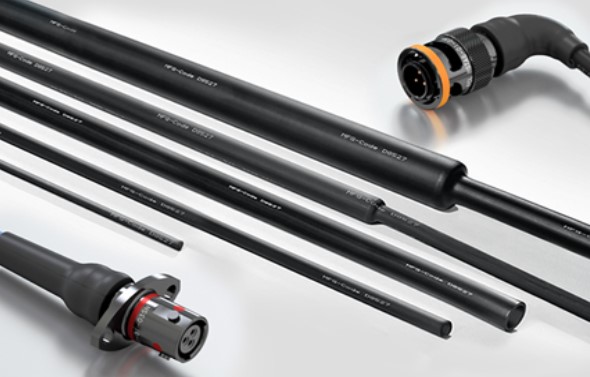
XACT EMS heat shrink tubing is a versatile solution designed for engineers seeking electrical insulation, mechanical protection, and sealing capabilities. Available in various materials and sizes, it offers exceptional resistance to heat, chemicals, and environmental factors, ensuring durability. Commonly used in industries such as electronics, defense, and aerospace, XACT EMS heat shrink tubing provides reliable cable protection, strain relief, and insulation, meeting stringent industry standards for performance and safety.

Value Added

XACT EMS excels in delivering custom heat shrink tubing solutions, tailoring them precisely to engineering requirements. Employing advanced fabrication and converting techniques, XACT EMS ensures accurate sizing and precise fit. Engineers benefit from customized options, featuring durable materials and specialized insulation, enhancing cable protection and reliability in demanding applications. XACT EMS’s customization capabilities guarantee optimal performance and durability in challenging environments, reducing maintenance and downtime.

Frequently Asked Questions

If you have a question that is not addressed in our FAQ please click 'Contact XACT EMS' at the top of the page and submit. We will answer directly and add it to our FAQ to benefit the entire engineering community.

Your vision! Our expertise! Collaborating with engineering teams is what we do best! We listens to your priorities, and create a customized solution tailored to your specific requirements.

1. Polyolefin Heat Shrink Tubing:

  • Description: Versatile, general-purpose tubing.
  • Primary Benefit for Engineers:. Offers electrical insulation, mechanical protection, and environmental sealing, suitable for various applications.

2. Fluoropolymer Heat Shrink Tubing:

  • Description: High-temperature-resistant tubing.
  • Primary Benefit for Engineers: Withstands extreme heat and chemicals, ideal for aerospace and automotive applications.

3. Dual-Wall Heat Shrink Tubing:

  • Description: Features an inner adhesive lining.
  • Primary Benefit for Engineers: Provides superior sealing and moisture protection for critical connections.

4. Thin-Wall Heat Shrink Tubing:

  • Description: Thin-walled tubing for space-constrained applications.
  • Primary Benefit for Engineers: Offers electrical insulation and protection in compact environments.

5. Heavy-Wall Heat Shrink Tubing:

  • Description: Thick-walled tubing for added durability.
  • Primary Benefit for Engineers: Provides robust mechanical protection and insulation for rugged applications.

6. Medium-Wall Heat Shrink Tubing:

  • Description: Balanced between thin and heavy-wall options.
  • Primary Benefit for Engineers: Offers versatility and protection in a wide range of applications.

7. Adhesive-Lined Heat Shrink Tubing:

  • Description: Tubing with inner adhesive layer.
  • Primary Benefit for Engineers: Ensures a watertight seal and excellent environmental protection.

8. Heat Shrink End Caps:

  • Description: Caps for sealing cable ends.
  • Primary Benefit for Engineers: Provides reliable environmental protection and strain relief for cable terminations.

9. Heat Shrink Labels and Markers:

  • Description: Printable tubing for labeling and identification.
  • Primary Benefit for Engineers: Enables cable and component labeling for organization and maintenance.

10. Specialty Heat Shrink Tubing (e.g., Kynar, Neoprene):

  • Description: Tailored materials for specific applications.
  • Primary Benefit for Engineers: Addresses unique requirements, such as chemical resistance or extreme temperatures, in specialized industries.

11. Heat Shrink with Flame Retardant Properties:

  • Description: Fire-resistant tubing.
  • Primary Benefit for Engineers: Enhances safety by resisting flame propagation and self-extinguishing.

12. Heat Shrink with UV Resistance:

  • Description: Tubing designed for outdoor exposure.
  • Primary Benefit for Engineers: Protects cables from UV radiation and weather-related degradation in outdoor installations.

13. Heat Shrink with Low Smoke Emission:

  • Description: Tubing with reduced smoke generation during exposure to flames.
  • Primary Benefit for Engineers: Enhances safety by minimizing smoke emissions in enclosed spaces.

14. Shielded Heat Shrink Tubing:

  • Description: Tubing with electromagnetic shielding properties.
  • Primary Benefit for Engineers: Provides EMI and RFI protection, ensuring signal integrity in sensitive electronic applications.

1. Temperature Range: Ensure that the heat shrink tubing can withstand the highest and lowest temperatures expected in the application without compromising its integrity.

2. Material Compatibility: Consider the compatibility of the tubing material with the cable or component it will cover, ensuring there is no adverse chemical interaction.

3. Size and Diameter: Choose tubing with an appropriate size and diameter to fit snugly over the cable or component while allowing for adequate shrinking to achieve a secure seal.

4. Wall Thickness: Select the appropriate wall thickness to provide the necessary levels of electrical insulation and mechanical protection.

5. Shrink Ratio: Determine the shrink ratio of the tubing to ensure it can effectively shrink down to the desired size when heated.

6. Environmental Resistance: Assess whether the tubing provides resistance to moisture, chemicals, UV radiation, and other environmental factors present in the application.

7. Flame Resistance: In applications with fire safety concerns, consider heat shrink tubing with flame-retardant properties.

8. Adhesive Lining: For applications requiring moisture sealing, choose tubing with an adhesive lining that forms a watertight seal upon shrinking.

9. EMI/RFI Shielding: If electromagnetic interference (EMI) or radiofrequency interference (RFI) is a concern, opt for shielded heat shrink tubing to provide effective shielding.

10. Color and Markings: Consider the color of the tubing for coding and identification purposes, and whether it allows for clear markings or labeling.

11. Customization: Evaluate the ability to customize the tubing, such as printing labels or logos, to meet specific identification or branding requirements.

12. Installation Method: Determine the method of heat application required for shrinking, such as a heat gun, oven, or open flame, and ensure it is compatible with the application’s conditions.

13. Compliance with Standards: Verify that the selected tubing complies with industry standards and regulations, particularly in safety-critical applications.

14. Cost-Benefit Analysis: Balance performance requirements with budget constraints to choose a cost-effective solution.

15. Long-Term Reliability: Consider the expected service life of the tubing and its ability to maintain its protective and insulating properties over time.

16. Ease of Installation: Assess how easily the tubing can be installed, especially in confined spaces or complex cable configurations.

17. Durability: Ensure the tubing can withstand any mechanical stress or abrasion it may encounter during its lifespan.

1. Electrical and Electronics:

  • Problem: Insulation, strain relief, and cable bundling.
  • Solution: Heat shrink tubing provides electrical insulation, protects against abrasion, and organizes wires and cables.
  • Industry/Application: Electronics manufacturing, electrical wiring, PCB assemblies.

2. Automotive and Aerospace:

  • Problem: Wire harness protection, corrosion resistance.
  • Solution: Heat shrink tubing offers abrasion resistance and moisture sealing, safeguarding wires and connectors.
  • Industry/Application: Automotive wiring, aircraft wiring, avionics.

3. Telecommunications:

  • Problem: Cable splicing and repair, moisture ingress.
  • Solution: Heat shrink tubing seals cable joints and protects against moisture and environmental factors.
  • Industry/Application: Telecom infrastructure, fiber optics, outdoor cabling.

4. Medical Devices:

  • Problem: Sterility, insulation, and identification.
  • Solution: Heat shrink tubing ensures cable insulation, provides a sterile barrier, and allows for device labeling.
  • Industry/Application: Medical equipment, catheters, surgical instruments.

5. Cable Management:

  • Problem: Cable organization and protection.
  • Solution: Heat shrink tubing bundles and protects cables while facilitating identification.
  • Industry/Application: Cable assemblies, data centers, server rooms.

6. Environmental and Outdoor Applications:

  • Problem: Weather exposure, UV radiation, and corrosion.
  • Solution: Heat shrink tubing with UV resistance and weatherproofing protects outdoor cables and connections.
  • Industry/Application: Outdoor lighting, solar installations, marine wiring.

7. Military and Defense:

  • Problem: Extreme environments, EMI shielding.
  • Solution: Specialty heat shrink tubing offers ruggedization and EMI protection for military equipment.
  • Industry/Application: Military vehicles, communication systems, weaponry.

8. Industrial Automation:

  • Problem: Cable strain relief, insulation.
  • Solution: Heat shrink tubing provides strain relief and electrical insulation in industrial machinery.
  • Industry/Application: Robotics, manufacturing automation, control panels.

9. Oil and Gas:

  • Problem: Chemical exposure, abrasion, and harsh environments.
  • Solution: Heat shrink tubing with chemical resistance and durability protects cables in oil and gas equipment.
  • Industry/Application: Drilling rigs, refineries, pipeline monitoring.

10. Railway and Transportation:

  • Problem: Vibration, temperature fluctuations, and cable organization.
  • Solution: Heat shrink tubing withstands vibrations and organizes cables in railway and transportation systems.
  • Industry/Application: Rail signaling, rolling stock, infrastructure.

COMPARE

Compare Options

Click below to get a customized comparison chart tailored to your application.

1

2

3

1

2

3

Consideration Polyolefin Heat Shrink Tubing Fluoropolymer Heat Shrink Tubing Dual-Wall Heat Shrink Tubing
Temperature Range Very Good Very Good Very Good
Material Compatibility Very Good Very Good Very Good
Size and Diameter Very Good Very Good Very Good
Wall Thickness Good Very Good Very Good
Shrink Ratio Very Good Very Good Very Good
Environmental Resistance Good Very Good Very Good
Flame Resistance Moderate Very Good Very Good
Adhesive Lining Moderate Good Very Good
EMI/RFI Shielding Moderate Good Very Good
Cost-Benefit Analysis Very Good Moderate Good