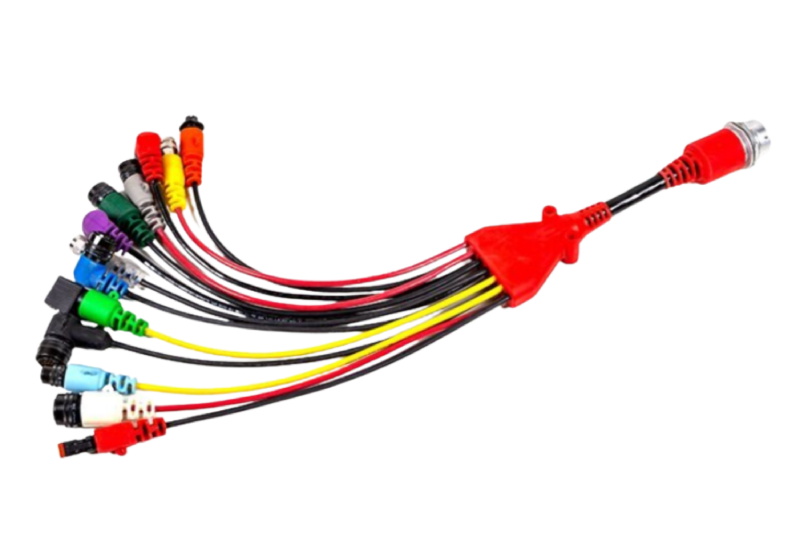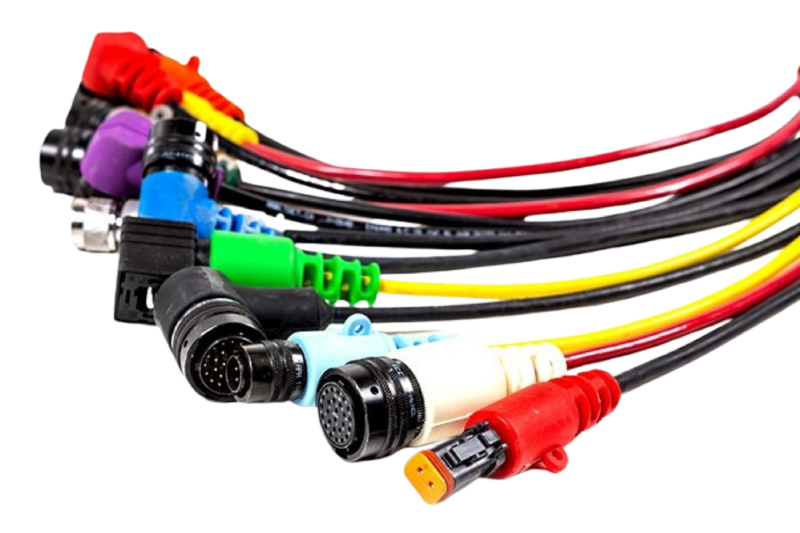
Overmolding vs Potting

Overmolding vs Potting vs Heat Shrink: How to Choose the Right Cable Protection Method

If you’re comparing overmolding, potting, and heat shrink, you’re not just choosing a process—you’re deciding how your cable assembly will hold up under real conditions.

Each method solves a different problem. The mistake is assuming they’re interchangeable.

Overmolding: When You Need Strength + Sealing

Overmolding creates a sealed, bonded transition between cable and connector. It’s the go-to for assemblies that can’t fail in the field.

Best fit:

  • Outdoor or harsh environments
  • High vibration or repeated movement
  • Applications requiring sealing (IP-rated)

What you get:

  • Built-in strain relief
  • Strong environmental sealing
  • Long-term durability

Tradeoff:

  • Higher upfront tooling cost
  • Not reworkable
Overmolding vs Potting

Potting: When Internal Protection Matters

Potting fills internal cavities with resin to protect terminations, electronics, or sensitive components.

Best fit:

  • Internal component protection
  • Vibration or shock exposure
  • High-voltage insulation support

What you get:

  • Encapsulation of internal components
  • Moisture and chemical resistance
  • Added electrical insulation

Tradeoff:

  • Doesn’t provide strong external strain relief
  • Adds weight
  • Hard to inspect or rework

Heat Shrink: When You Need a Simple, Flexible Option

Heat shrink is widely used because it’s fast and cost-effective—but it’s not designed for demanding environments.

Best fit:

  • Basic insulation or bundling
  • Controlled environments
  • Prototyping or low-cost builds

What you get:

  • Quick installation
  • Low cost
  • Flexible application

Tradeoff:

  • Minimal strain relief
  • Limited environmental sealing
  • Shorter lifespan under stress
Overmolding vs Potting

What Actually Drives the Decision

Forget the terminology—focus on what matters in your application:

  • Strain relief needed? → Overmolding
  • Internal protection needed? → Potting
  • Cost-sensitive and low stress? → Heat shrink

Why These Methods Get Misapplied

Most failures come from one issue:

Choosing based on cost instead of risk.

  • Heat shrink used where mechanical stress exists
  • Potting expected to handle external strain
  • Overmolding skipped to reduce upfront cost

That decision usually shows up later as:

  • Field failures
  • Maintenance costs
  • Downtime

When One Method Isn’t Enough

In demanding applications, combining methods is common:

  • Overmolding + potting → full protection (external + internal)
  • Heat shrink + overmolding → added insulation + strain relief

Quick Decision Guide

  • Movement + environment → Overmolding
  • Internal electronics → Potting
  • Light-duty / cost-driven → Heat shrink
  • Critical system → Combine methods

Need Help Choosing?

If you’re evaluating these options, you’re already past generic solutions.

FAQ

Overmolding protects the external cable-to-connector transition, providing strain relief and sealing. Potting protects internal components, such as terminations or electronics, by encapsulating them in resin.

Heat shrink is suitable for basic insulation and bundling, but it does not provide strong strain relief or long-term protection in harsh environments.

Use overmolded assemblies when you need:

  • Environmental sealing
  • Mechanical strength
  • Long-term durability in harsh conditions

Yes. Many high-reliability assemblies use both:

  • Potting for internal protection
  • Overmolding for external durability and strain relief

Overmolding is typically the most durable option for external protection, especially in environments with vibration, moisture, or mechanical stress.

Share this post